Winter Car Care for Bay Area Rainy Season
The best protection against Bay Area winter rain damage is ceramic coating—its hydrophobic surface sheds water, prevents contaminant bonding, and makes spring cleaning effortless. Combined with glass coating for visibility and regular maintenance washes, your vehicle can emerge from rainy season looking better than most cars that went in.
"Winter" in the Bay Area means something different than snowy states. We don't get ice. We get:
- Months of rain (and the grime that comes with it)
- Reduced visibility (foggy mornings, rain-streaked glass)
- Road contamination (oil, debris, mud, construction runoff)
- Neglected washing (who washes a car in the rain?)
Here's how to protect your car through the wet season—and why winter prep matters more than you think.
Winter's Hidden Damage
What Rain Really Does to Your Car
Rain isn't pure water. Bay Area rain carries:
| Contaminant | Source | Paint Damage |
|-------------|--------|--------------|
| Acidic compounds | Agricultural, industrial activity | Etches clear coat over time |
| Mineral deposits | Hard water, atmospheric particles | Leaves permanent water spots |
| Road oil | Street runoff, traffic spray | Bonds to paint, attracts dirt |
| Construction debris | Winter projects, road work | Scratches, embedded particles |
| Brake dust | Increased wet braking | Bonds to wheels, becomes permanent |
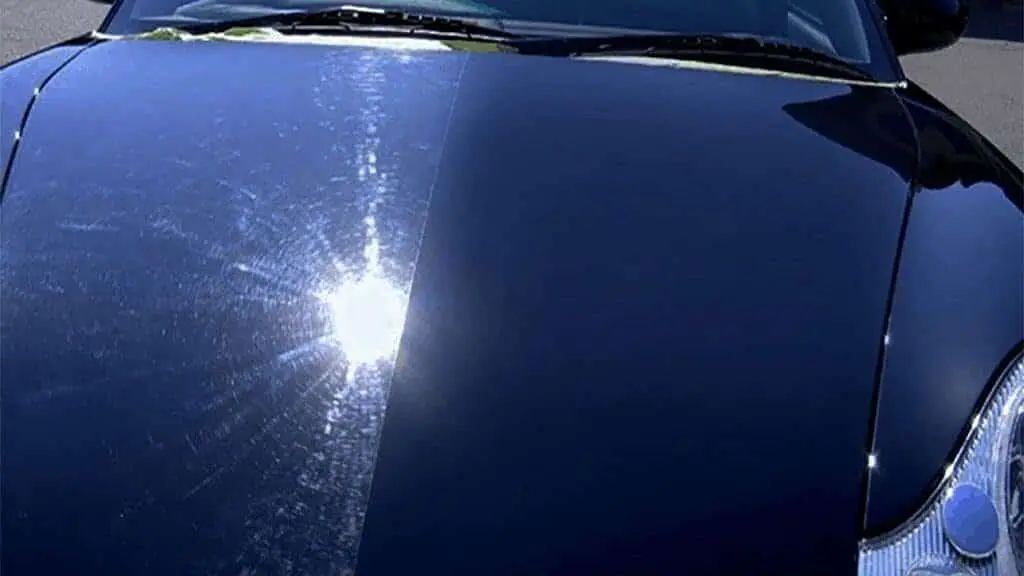
Let this cocktail sit on unprotected paint for weeks, and you're looking at permanent etching and contamination that requires professional correction.
The "I'll Wash It When It Stops Raining" Problem
This is the winter trap that damages thousands of Bay Area vehicles every year:
- It rains → you don't wash
- Debris accumulates on vehicle
- It rains again → debris gets wet, sits, partially dries, bonds stronger
- Repeat for 3-4 months
- Spring arrives → your paint is contaminated, spotted, and dulled
The reality: By spring, many vehicles need decontamination, clay bar treatment, and sometimes paint correction to undo winter damage.
The fix: Protection that works without constant washing—and smart washing strategies when needed.
Visibility Safety Concerns
Winter driving safety depends heavily on visibility:
| Visibility Issue | Risk Level | Solution |
|------------------|------------|----------|
| Rain-streaked windshield | High | Glass coating, quality wipers |
| Foggy windows | High | Defroster maintenance, anti-fog |
| Headlight hazing | Critical | Restoration + coating |
| Dirty mirrors | Moderate | Coating, regular cleaning |
| Water spots obscuring view | Moderate | Preventive glass treatment |
Your Winter Protection Checklist
1. Ceramic Coating: The Foundation
The single best rain protection investment.
Ceramic coating creates a hydrophobic surface that fundamentally changes how your car interacts with water:
How it works:
- Creates microscopic peaks and valleys on paint surface
- Water beads tightly and sheets off
- Contaminants don't bond to coated surface
- Rain actually helps rinse away light debris
- Spring cleaning takes 30 minutes instead of 3 hours
Before winter: Apply coating during fall for full protection through rainy season
Investment: $500-1,500 depending on package level
Protection duration: 2-5 years with proper maintenance
2. Glass Coating: Visibility Enhancement
Rain-X is temporary and leaves residue. Professional glass coating:
- Lasts 12+ months (vs. weeks for consumer products)
- Dramatically improves visibility in heavy rain
- Water clears at 35+ mph without wipers
- Reduces ice formation in cold mornings
- Decreases night-time glare from wet roads
Application areas:
- Windshield (most critical for safety)
- All side windows (visibility and maintenance)
- Mirrors (rear visibility improvement)
- Rear window (backup camera stays clearer)
Investment: $100-200 add-on, or included in comprehensive ceramic packages
3. Window Tint: Winter Benefits
Many assume window tinting is only for summer—but winter benefits are significant:
- Glare reduction: Headlight reflection on wet roads at night is painful and dangerous
- Visibility improvement: Less eye strain in low-light, overcast conditions
- Heat retention: Ceramic tint provides slight insulation value in cold
- UV protection continues: UV rays damage interiors even in winter
Investment: $350-800 depending on vehicle and film selection
4. PPF for Road Debris Protection
Winter roads present increased impact risks:
- More debris kicked up by wet traffic
- Gravel from construction zones (more winter road work)
- Rocks from degraded road shoulders
- Emergency vehicle chains cause significant debris
Paint Protection Film (PPF) on the front end prevents chips all season—damage that often leads to rust if left unprotected through winter moisture.
Investment: $1,200-2,500 for comprehensive front-end coverage
5. Headlight Clarity: Safety Priority
Winter visibility depends critically on headlights. Hazy headlights are a safety hazard:
Impact of headlight condition:
| Headlight State | Light Output | Night Visibility |
|-----------------|--------------|------------------|
| Clear (new) | 100% | Full range |
| Light haze | 70-80% | Reduced 20-30% |
| Moderate cloudiness | 50-60% | Reduced 40-50% |
| Severe hazing | 30-40% | Dangerous |
Restoration takes 45 minutes and makes an immediate, visible difference in safety.
Investment: $150-250 for both headlights (restoration + protective coating)
Visibility Upgrades for Wet Weather
The Complete Visibility Package
For maximum winter driving safety:
| Upgrade | Benefit | Investment |
|---------|---------|------------|
| Windshield ceramic coating | Water beads at 35+ mph, reduces wiper use 50-70% | $75-150 |
| Window tint (ceramic) | Reduces wet-road glare, less eye strain | $350-800 |
| Headlight restoration | Full light output for rain driving | $150-250 |
| All-glass coating | Clear side and rear visibility | $100-200 |
| Mirror coating | Clearer rear visibility | Included |
Combined investment: $400-600 for safety-focused visibility package
How Hydrophobic Coating Works
When applied to glass, hydrophobic coating:
- Creates nano-scale surface tension that forms tight water beads
- At highway speeds (35+ mph), wind pushes beads off completely
- Reduces wiper use by 50-70% during rain
- Improves visibility significantly in heavy downpours
- Makes ice removal easier in cold mornings
Real-world test: Drive Highway 101 or 17 in a downpour with coated vs. uncoated windshield. The difference is dramatic and immediate.
Winter Washing Strategy
Yes, You Still Need to Wash
Even with ceramic coating, washing matters—it becomes faster and easier:
Monthly minimum: Quick rinse to remove fresh contamination before bonding
Process with ceramic coating:
- Rinse with pressure washer or strong hose flow
- Use pH-neutral, coating-safe soap (not dish soap)
- Quick two-bucket wash or foam cannon
- Dry with clean microfiber (don't air dry—prevents spots)
- Done—coating handles the protection
Total time: 20-30 minutes vs. 2-3 hours for unprotected vehicles
What Happens Without Any Washing
Even coated cars accumulate winter contamination:
- Brake dust on wheels (bonds tighter in wet conditions)
- Fresh tar from road work (more common in winter)
- Tree sap from parking (needs quick removal)
- Bird droppings (still corrosive, even diluted by rain)
Monthly maintenance prevents buildup that becomes difficult or damaging to remove.
Best Winter Car Wash Options
Good approaches:
- Touchless automatic wash (foam with no brushes)
- Hand wash at covered self-serve bay
- Driveway wash on dry days between storms
- Quick rinse during dry spells
Avoid these:
- Brush car washes (will scratch paint, especially with winter grit)
- Waxes applied over contamination (seals dirt under wax)
- "Free" dealer washes (often cause swirls with dirty equipment)
- Air drying (leaves water spots)
Common Winter Car Mistakes
Mistake 1: Parking Under Trees for "Shelter"
Trees seem protective but create problems:
- Sap drops constantly (causes permanent staining if left 24+ hours)
- Leaves accumulate (trap moisture, cause staining)
- Bird roosting concentrates droppings
- Branch debris can scratch
Better option: Open parking, covered structures, or garage
Mistake 2: Ignoring Headlight Condition
Hazy headlights + rain + night = dangerous driving conditions. Studies show:
- Severely hazed headlights reduce visibility range by 60-70%
- Accident risk increases significantly in rain with reduced lights
- Other drivers see you 40% later
Investment: Restoration takes under an hour and costs a fraction of replacing lights ($150-250 vs. $400-1,200)
Mistake 3: Waiting Until Spring
Spring contamination removal costs more than prevention:
| Service | Price Range |
|---------|-------------|
| Paint decontamination | $100-200 |
| Clay bar treatment | $50-100 |
| Water spot removal | $100-300+ |
| Full correction detail | $400-800 |
| Total spring recovery | $650-1,400 |
Prevention costs less: Ceramic coating + winter maintenance = $600-1,000 with 2-5 years of protection
Mistake 4: Only Protecting Exterior
Interior takes winter damage too:
- Wet shoes track in mud and debris
- Humidity causes mold and mildew smells
- Floor mats get saturated and neglected
- Foggy conditions stress interior surfaces
Solutions:
- All-weather rubber floor mats with lips
- Interior ceramic coating on leather/vinyl
- Periodic interior wipe-down
- Address moisture promptly with towels or dehumidifiers
Mistake 5: Skipping Wheel Protection
Wheels suffer most in winter:
- Constant brake dust in wet braking
- Road grime bonds quickly
- Salt from coastal areas
- Tar from fresh road work
Protection option: Wheel ceramic coating repels brake dust and makes cleaning 70% faster
Winter Protection Packages
Rain Ready Package
- Full exterior ceramic coating
- Glass ceramic coating (all windows)
- Wheel ceramic coating
Investment: $800-1,400
Best for: Maximum protection, minimal maintenance
Winter Visibility Package
- Windshield ceramic coating
- Headlight restoration and coating
- Mirror hydrophobic treatment
Investment: $350-500
Best for: Safety-focused protection
Complete Winter Package
- Full ceramic coating (paint, trim, glass)
- Headlight restoration + protection
- Interior leather/fabric protection
- Wheel ceramic coating
Investment: $1,500-2,500
Best for: Comprehensive year-round protection
Professional Service vs DIY Winter Prep
While many winter prep tasks can be done at home, professional service offers significant advantages:
Time Savings
Professional winter prep combines multiple services into a single appointment:
| DIY Time | Professional Time | Service |
|----------|------------------|---------|
| 2-4 hours | Included | Full wash and decontamination |
| 4-8 hours | 2-4 hours | Ceramic coating application |
| 1-2 hours | 45 minutes | Glass coating all windows |
| 1 hour | 45 minutes | Headlight restoration |
Professional service typically completes in one day what would take a weekend of DIY work.
Quality Difference
| Factor | DIY | Professional |
|--------|-----|-------------|
| Application uniformity | Variable | Controlled environment |
| Product quality | Consumer grade | Professional grade |
| Cure conditions | Outdoor, variable | Climate-controlled |
| Longevity | 6-18 months | 2-5 years |
Cost-Per-Year Value
While professional coating costs more upfront, the per-year cost often favors professional service when factoring in product purchases, time investment, and longevity differences.
Schedule Before the Rain
The best time to prep for winter is fall (October-November). But if rain's already here:
- Ceramic coating can be applied between storms (needs 24-48 hour dry cure)
- Glass coating dries in minutes (quick application)
- Headlight restoration is weather-independent (done indoors)
Fix issues now rather than waiting until spring—prevention is more effective than repair.
📞 Call 408-848-8468 — schedule your winter prep
📅 Request a quote — tell us what protection you need
📍 Visit 610 Holloway Rd — Gilroy, CA
Emergency Winter Car Kit
Bay Area winters rarely strand drivers, but prepared is better than stranded:
Essential Items
Visibility and safety:
- Extra washer fluid (rain-x formula)
- Quality replacement wipers (silicone blade type)
- Portable phone charger
- Flashlight with fresh batteries
- Reflective triangles or flares
Comfort and convenience:
- Towel for wet seats/floor protection
- Microfiber cloth for interior fog wipe
- Umbrella (obviously)
- Change of dry socks
Minor repair:
- Tire pressure gauge (cold weather lowers pressure)
- Portable tire inflator
- Basic tool kit
- Jumper cables or portable jump starter
Vehicle Checks Before Rainy Season
Take 15 minutes to verify:
| System | What to Check | Action if Needed |
|--------|--------------|------------------|
| Wipers | Streaking, skipping, noise | Replace blades |
| Tire tread | Depth and wear pattern | Rotate or replace |
| Tire pressure | All 4 tires + spare | Inflate to door sticker spec |
| Lights | Headlights, tails, turns, brakes | Replace bulbs |
| Defrost | Front and rear work properly | Service HVAC |
| Washer fluid | Full reservoir | Refill with winter formula |
These simple checks prevent most winter driving issues before they occur.
Frequently Asked Questions
When is the best time to get ceramic coating for winter protection?
October through early November is ideal for Bay Area drivers. This allows the coating to fully cure (24-48 hours minimum) before heavy rain begins. However, coating can be applied any time during dry periods throughout winter—we need 2-3 consecutive dry days for proper cure.
How often should I wash my car during rainy season?
Even with ceramic coating, aim for once monthly at minimum to remove accumulated brake dust, road grime, and other contaminants. If your car is exposed to bird droppings, tree sap, or visible buildup, wash sooner. Coated vehicles need briefer, less aggressive washing—a quick rinse and foam is usually sufficient.
Will window tint help me see better in rain?
Yes. Quality window tint reduces glare from wet road reflections and oncoming headlights—both major visibility issues during rain. Ceramic tint is particularly effective because it rejects infrared light that contributes to glare. Many drivers report significantly less eye strain and fatigue during winter night driving with tint.
Can ceramic coating be applied in winter?
Yes, with conditions. Ceramic coating requires 24-48 hours of dry cure time at temperatures above 50°F. Indoor application in a climate-controlled environment (like our shop) allows year-round installation. We monitor weather forecasts and schedule applications during dry windows. Avoid DIY coating in winter without proper facilities.
Do I need different protection for coastal vs. inland Bay Area?
Coastal areas (San Francisco, Pacifica, Half Moon Bay) face additional salt air exposure that accelerates corrosion. Inland areas (Gilroy, Morgan Hill, San Jose) face more road debris and temperature extremes. Coastal vehicles may benefit from more frequent washing to remove salt; inland vehicles often need stronger PPF for debris protection. Ceramic coating protects well in both environments.
How does rain affect clear bra (PPF)?
Quality Paint Protection Film is designed to handle rain and moisture without issue. Rain actually helps keep PPF surfaces clean through its hydrophobic properties. The main winter concern with PPF is impact from debris—wet roads increase the amount of stones, gravel, and debris hitting your front end. PPF protects against these impacts that could chip unprotected paint.
Is headlight restoration permanent?
Headlight restoration alone lasts 6-18 months before oxidation returns. For lasting results, apply protective coating after restoration—ceramic coating or PPF on headlights extends clarity to 3-5+ years. We recommend this combination for best long-term value rather than repeated restorations.
What's the difference between wax and ceramic coating for winter protection?
| Feature | Wax/Sealant | Ceramic Coating |
|---------|-------------|-----------------|
| Duration | 1-3 months | 2-5 years |
| Reapplication | Needed 4-12x/year | None needed |
| Winter durability | Degrades faster in moisture | Unaffected by rain |
| Hydrophobic strength | Moderate | Excellent |
| Cost efficiency | Higher long-term | Lower per-year |
For winter protection, ceramic coating provides consistent defense without constant reapplication during the season when you least want to spend time on car maintenance.
Visit the Experts in Gilroy
Blackout Window Tinting is the Bay Area's premier choice for premium auto protection. Based in Gilroy at 610 Holloway Rd (behind Target), we've served the South County and Silicon Valley area for over 33 years. Whether you're coming from Morgan Hill, Hollister, or anywhere else in the Bay Area, we're your trusted local source for professional window tint, PPF, and ceramic coating.
📞 Questions? Call us at 408-848-8468 or get a free quote online.