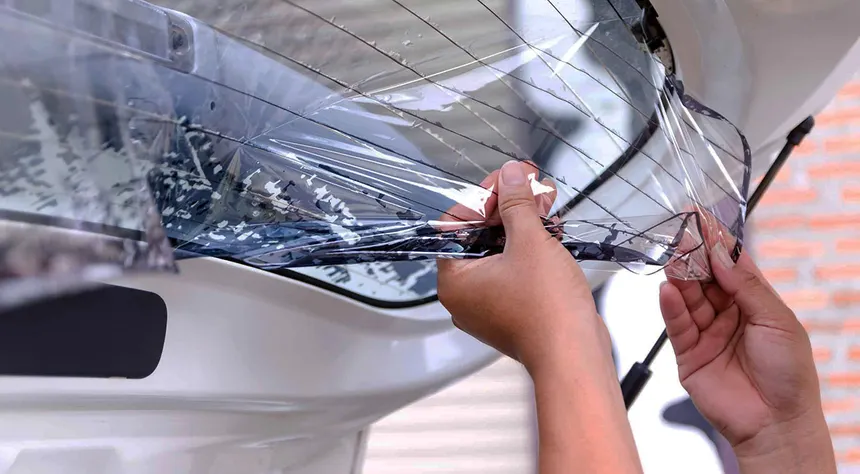
Every week at Blackout Window Tinting, we fix someone else's mistake.
Bubbling film. Purple haze. Failed adhesive. Illegal darkness on front windows. Interference with car electronics.
After 33+ years in this business, we've seen every possible window tinting disaster—and they all trace back to the same 5 mistakes.
Here's how to avoid becoming our next "rescue and replace" customer.
Mistake #1: Choosing a Shop Based on Price Alone
What happens: You find a deal online. "$99 full car tint!" Or "$149 lifetime warranty any vehicle!" It seems too good to be true.
It is.
The reality:
Budget shops cut costs by:
- Using low-grade film that bubbles, fades, and purples within 1-2 years
- Hiring inexperienced installers who leave contamination under the film
- Not prepping glass properly (cleaning, decontamination)
- Using pre-stretched film that fails prematurely
- Operating without proper insurance or facilities
What it costs you:
| Cheap Tint Journey | Cost |
|--------------------|------|
| Initial "deal" installation | $99-$199 |
| Removal when it fails (Year 1-2) | $100-$200 |
| Quality reinstallation | $400-$700 |
| Total spent | $600-$1,100 |
Versus: $400-$700 done right the first time.
The fix: Ask about film brands. Ask to see their installation bay. Ask for photos of previous work. If they can't proudly answer these questions, walk away.
Mistake #2: Not Asking What Film Brand They Use
What happens: You ask "how much for window tint?" They give you a price. You book the appointment. You never find out what they're actually putting on your car.
Why it matters:
Window film isn't generic. Quality varies dramatically:
| Film Type | Lifespan | Heat Rejection | Common Issues |
|-----------|----------|----------------|---------------|
| Dyed film | 2-4 years | 20-35% | Fading, purpling, bubbling |
| Metalized film | 5-8 years | 45-65% | Signal interference, metallic look |
| Carbon film | 7-10 years | 50-70% | Color instability in some brands |
| Ceramic film | 10-15+ years | 70-97% | Minimal (premium brands only) |
What to ask:
"What brand and product line of film do you use?"
Good answers: "LLumar CTX," "3M Ceramic IR," "XPEL XR Plus," "SunTek CXP"
Bad answers: "It's professional grade," "It's good quality," "Don't worry about it"
The fix: Research the film brand before your appointment. Check manufacturer specs. Know what you're paying for.
Mistake #3: Going Too Dark on Front Windows (The Most Common Mistake We See)
What happens: Customer wants "limo tint" or "blackout" everywhere. Shop either:
- Doesn't explain the law and installs illegal tint, or
- Customer insists anyway and shop complies
Either way, you drive off with illegal front windows.
The California law (We cover this in detail here):
| Window | Legal Requirement |
|--------|-------------------|
| Front side windows | Must allow 70%+ light through |
| Rear side windows | Any darkness legal |
| Rear window | Any darkness legal |
| Windshield | Top 4 inches only |
What happens when caught:
- Fix-it ticket: $200-$250 (with fees)
- Must remove the tint
- If not corrected: additional fines up to $1,000
- Repeat offenses can affect insurance
We see this weekly: Customer comes in upset after getting ticketed. They paid for illegal tint, then paid to have it removed, then paid again for legal reinstallation. Triple the cost.
The fix:
Get clear ceramic film on front windows for heat rejection without darkness. Go dark on the rear where it's legal. You get the benefits without the legal risk.
Mistake #4: Not Checking for Warranty—And What It Actually Covers
What happens: Shop says "lifetime warranty!" You feel secure. Film fails. You go back. They're either:
- Out of business
- Claiming your issue "isn't covered"
- Charging labor fees despite "warranty"
The fine print matters:
Many "warranties" only cover:
- Manufacturing defects (not installation errors)
- Don't transfer if you sell the car
- Require proof of "proper maintenance"
- Have deductibles or labor charges
What to ask:
- "Is this warranty from the film manufacturer or your shop?"
- "What exactly does it cover—materials and labor?"
- "Does it transfer to a new owner if I sell?"
- "Where do I go for warranty service—back to you or anywhere?"
The fix:
Quality film (LLumar, 3M, XPEL, SunTek) comes with manufacturer warranties honored by any certified installer. If your shop closes, you're still covered.
Ask for written warranty documentation before leaving.
Mistake #5: Not Considering Your Vehicle's Technology
What happens: Standard metallic tint film gets installed. Later, you notice:
- Phone key doesn't work well (Tesla, BMW, etc.)
- GPS is less accurate
- Radio signal is weaker
- Autopilot/driver assistance acts up
- Toll transponder doesn't read
Why it happens:
Metallic window films contain metal particles that block wireless signals. In older cars, this might only weaken your radio. In modern cars—especially EVs—it can disable critical systems.
Vehicles most affected:
- Tesla (all models) — phone key, Autopilot cameras
- BMW — digital key UWB system
- Rivian — Gear Guard cameras
- Any car with — toll transponders, GPS, Bluetooth
The fix:
Always use ceramic film on modern vehicles.
Ceramic tint contains no metal and doesn't interfere with any wireless signals. It performs better for heat rejection anyway.
Read our full EV tinting guide for more details.
Bonus Mistake: Washing Too Soon After Installation
What happens: You get your car tinted, it looks great, you wash it the next day—and notice weird marks under the film.
The reality:
Window film needs 3-7 days to cure completely. During this time:
- Small water pockets may form (they'll disappear)
- Film adhesive is still setting
- Moisture needs to escape through the edges
Washing too soon can:
- Introduce moisture that gets trapped
- Disturb the curing edges
- Create permanent haze
The fix:
Wait at least 3 days before washing. In cold/cloudy weather, wait 5-7 days. Don't roll down tinted windows for at least 48 hours.
How to Get Tint Right the First Time
Here's your pre-appointment checklist:
Before Booking:
- [ ] Research film brands (ceramic for modern vehicles)
- [ ] Understand California tint laws
- [ ] Read reviews about installation quality, not only price
- [ ] Ask about warranty details in writing
At the Shop:
- [ ] Confirm what film is being used
- [ ] Verify what's legal for your front windows
- [ ] See their installation environment (clean, climate-controlled)
- [ ] Get warranty documentation before leaving
After Installation:
- [ ] Don't wash for 3-7 days
- [ ] Don't roll windows down for 48 hours
- [ ] Take photos of the work for your records
- [ ] Keep warranty paperwork with your vehicle documents
We Fix Mistakes—But We'd Rather You Avoid Them
At Blackout Window Tinting, we:
- Only use premium ceramic films (LLumar, 3M, XPEL, SunTek)
- Explain California law before every installation
- Provide manufacturer-backed warranties
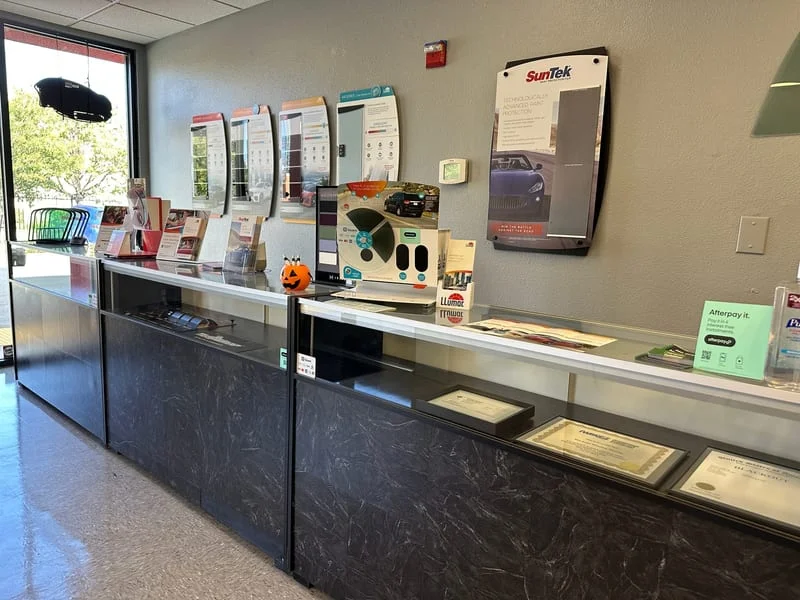
- Have a clean, climate-controlled facility
- Employ experienced installers who've done this for decades
We'd rather earn your business upfront than fix another shop's mistakes—but we're here for that too.
Learn more: Automotive Window Tinting — professional tint installation.
📞 Get a quote from a shop that does it right
📍 Visit our Gilroy location — see our quality first-hand.
More Helpful Guides
Quick FAQs
How can I tell if my current tint is bad?
Look for: purple haze, bubbles, peeling edges, visible contamination, inconsistent color. Any of these indicate film failure.
Can you tint over existing tint?
Technically yes, but we never recommend it. Old film should always be removed first for proper adhesion.
What if I already made one of these mistakes?
We do removal and replacement regularly. It costs more than doing it right initially, but you'll end up with quality film that lasts.
Is it worth paying more for ceramic film?
Absolutely. The heat rejection, longevity, and lack of signal interference make ceramic the only sensible choice for modern vehicles.
Visit the Experts in Gilroy
Blackout Window Tinting is the Bay Area's premier choice for premium auto protection. Based in Gilroy at 610 Holloway Rd (behind Target), we've served the South County and Silicon Valley area for over 33 years. Whether you're coming from Morgan Hill, Hollister, or anywhere else in the Bay Area, we're your trusted local source for professional window tint, PPF, and ceramic coating.
📞 Questions? Call us at 408-848-8468 or get a free quote online.
Featured Brands
Learn more about the professional-grade products we use:
- 3M Window Tint - View product details and specifications
- LLumar - View product details and specifications
- SunTek - View product details and specifications
- XPEL - View product details and specifications