Car Wraps
Vinyl Wraps: Complete Car Wrap Guide 2025
Blackout Window Tinting
12 min read
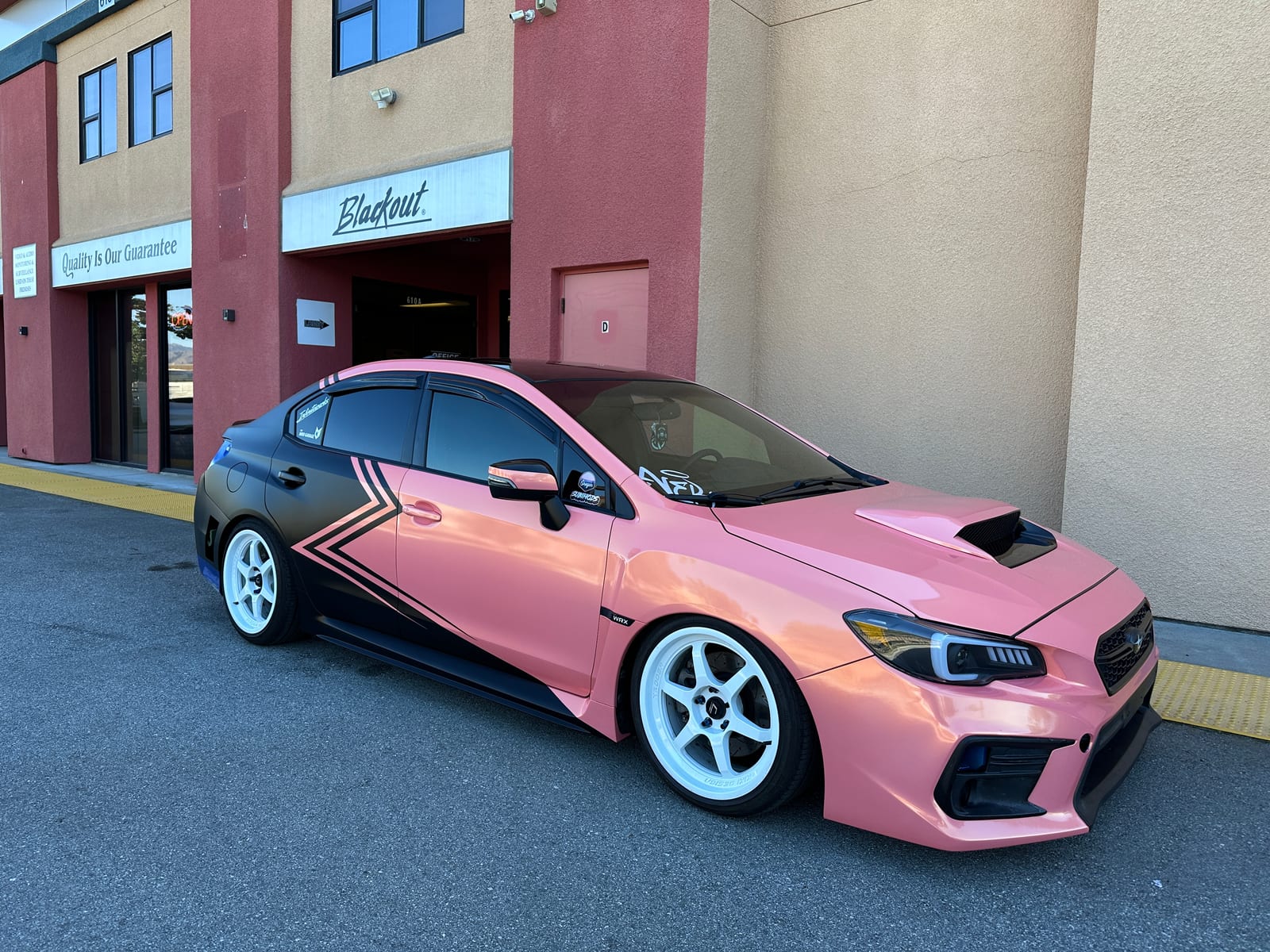
Everything about vinyl car wraps: costs, durability, colors, maintenance, and comparison to paint. Complete Bay Area guide to wrapping your vehicle.
What Are Vinyl Wraps?
Vinyl wraps are large sheets of colored or textured vinyl film applied directly over your vehicle's factory paint. Think of it as a full-body skin that completely transforms your car's appearance—without touching the original paint underneath.
Modern automotive vinyl has evolved dramatically from the commercial fleet graphics of the past. Today's films feature:
- Cast vinyl: Conforms to complex curves without stretching
- Air-release channels: Eliminates bubbles during installation
- Pressure-activated adhesive: Repositionable during install, permanent after
- UV-stable pigments: Resists fading for 5-7 years
The result? A finish that's often indistinguishable from high-end paint—at 30-60% of the cost.
Why Wrap Instead of Paint?
The Cost Argument
High-quality paint jobs cost $5,000-20,000+ depending on color choice and quality level. Custom colors (color-matched Pantone, specialty finishes) push that higher.
Vinyl wraps cost $3,000-7,000 for comparable quality. Premium finishes (chrome, color-shift, satin) add cost but still undercut equivalent paint by significant margins.
Cost comparison:
| Finish Type | Quality Paint Job | Vinyl Wrap |
|---|---|---|
| Solid color change | $5,000-8,000 | $3,000-5,000 |
| Metallic/pearl | $7,000-12,000 | $3,500-5,500 |
| Matte/satin | $8,000-15,000 | $4,000-6,000 |
| Chrome/mirror | $15,000-25,000+ | $6,000-10,000 |
| Color-shift | $20,000+++ | $5,500-8,000 |
The Reversibility Argument
Paint is permanent. A wrapped car can be returned to original paint condition at any time—crucial for:
- Lease vehicles (avoid return penalties)
- Maintaining resale value
- Trying colors before committing
- Keeping up with trends
The Protection Argument
Factory paint sits under the vinyl wrap, protected from:
- Minor scratches and rock chips
- UV damage and fading
- Bird droppings and tree sap
- General environmental exposure
When the wrap is removed years later, the original paint is usually in excellent condition—sometimes better than surrounding unprotected panels.
The Time Argument
A quality paint job takes 2-4 weeks (prep, prime, paint, clear, cure).
A full vehicle wrap takes 3-5 days.
For exotic or specialty vehicles, paint lead times can stretch to months. Wraps are relatively fast.
Types of Vinyl Finishes
Gloss
Classic shiny finish identical to high-quality paint. Available in virtually every color imaginable. Most common choice for color-change wraps.
Best for: Traditional looks, matching paint-like aesthetics
Matte/Satin
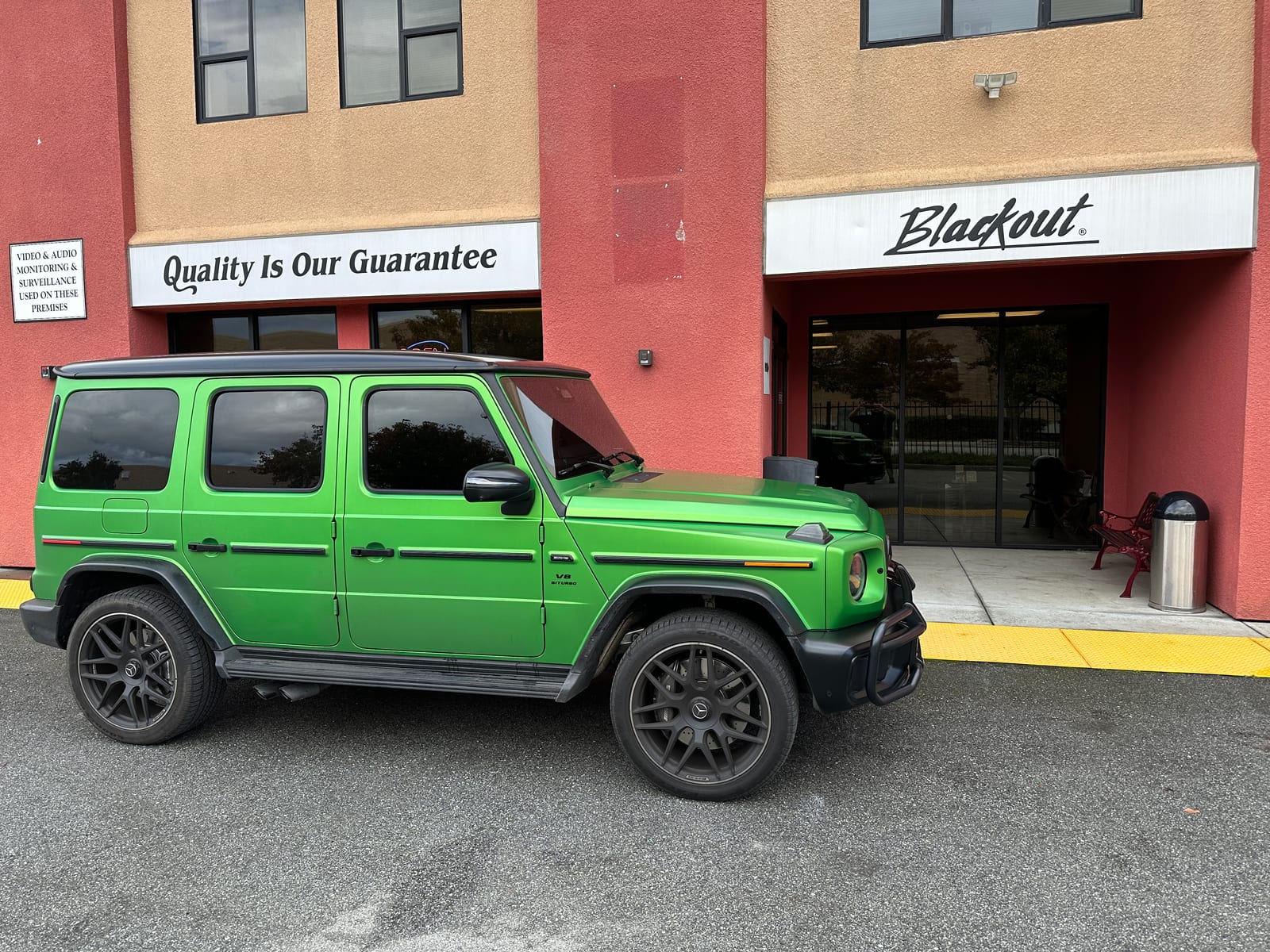
Flat finish that absorbs light rather than reflecting it. Increasingly popular for luxury vehicles and aggressive styling. Ranges from dead-flat matte to soft satin sheen.
Best for: Stealth looks, modern aesthetics, exotic vehicles
Metallic
Contains metallic flakes that sparkle in sunlight. Mimics factory metallic paint options. Available in gloss and matte bases.
Best for: Depth and visual interest, matching OEM themes
Color-Shift (Chameleon)
Changes color depending on viewing angle and lighting. Dramatic effect that's impossible to replicate with standard paint.
Best for: Show cars, attention-grabbing builds, unique vehicles
Chrome/Mirror
Reflective mirror finish. Extremely attention-getting and technically challenging to install. Not legal in all jurisdictions.
Best for: Show vehicles, chrome delete accents, limited-use cars
Carbon Fiber Texture
Textured film that mimics carbon fiber weave. Available in multiple patterns and colors. Can be combined with smooth vinyl for accent work.
Best for: Performance accents, hood/roof wraps, interior trim
Brushed/Textured
Simulates brushed metal, leather, or other textures. Adds visual and tactile interest. Used for full wraps or accents.
Best for: Industrial aesthetics, unique applications
How Long Do Vinyl Wraps Last?
Quality vinyl wraps last 5-7 years with proper care. Lifespan depends on:
Care and Maintenance
Hand-washed wraps with proper products last longer. Automatic car washes, harsh chemicals, and neglect accelerate degradation.
Sun Exposure
California sun is brutal. Vehicles parked outside daily will see faster color fade than garage-kept vehicles. Matte/satin finishes show sun damage more obviously than gloss.
Vinyl Quality
Premium films (3M 2080, Avery Dennison Supreme, KPMF) outlast economy alternatives by 2-3 years. The upfront cost difference is recouped in longevity.
Color Choice
Dark colors absorb more heat and face more thermal stress. Lighter colors typically last longer in hot climates.
Installation Quality
Properly prepped, properly tensioned wraps outlast rushed installations. Edge adhesion, seam placement, and proper stretching all affect longevity.
What Does a Vinyl Wrap Cost?
Full Vehicle Wraps
| Vehicle Type | Standard Vinyl | Premium Vinyl |
|---|---|---|
| Compact car | $2,500-3,500 | $3,500-5,000 |
| Sedan/coupe | $3,000-4,500 | $4,500-6,500 |
| SUV/crossover | $3,500-5,500 | $5,500-7,500 |
| Truck (crew cab) | $4,000-6,000 | $6,000-8,500 |
| Exotic/supercar | $5,000-8,000 | $8,000-15,000 |
Partial Wraps
| Coverage | Cost Range |
|---|---|
| Hood only | $400-800 |
| Roof only | $400-700 |
| Hood + roof | $700-1,200 |
| Accents/stripes | $200-600 |
| Chrome delete | $500-1,500 |
| Half wrap (upper or lower) | $1,500-2,500 |
What Affects Pricing?
Vehicle complexity: More curves, scoops, and body lines = more labor
Vinyl type: Chrome, color-shift, and specialty films cost 2-3x standard
Design work: Custom graphics, patterns, or color matching add design fees
Removal (if needed): Removing old wrap adds $500-1,500 depending on condition
Paint correction: Preparing damaged paint before wrapping adds correction costs
The Wrap Installation Process
Step 1: Design Consultation
What do you want? Full color change? Accents? Specific brand/design?
We discuss:
- Color and finish options
- Coverage decisions
- Timeline and budget
- Any design customization
Step 2: Vehicle Prep
The vehicle must be thoroughly cleaned and any existing damage addressed.
Prep includes:
- Full wash and decontamination
- Clay bar treatment
- Removal of emblems, badges, trim (as needed)
- Surface inspection for damage
- Panel prepping with adhesion promoters
Step 3: Vinyl Application
Large panels of vinyl are applied section by section. Each piece is:
- Positioned and tacked
- Heated to conform to curves
- Squeegeed to remove air
- Stretched (carefully) around edges
- Trimmed for clean edges
- Sealed for adhesion
Complex areas (bumpers, mirrors, door handles) require cutting and piecing.
Step 4: Post-Heat
After application, the entire wrap is post-heated. This:
- Activates memory in the vinyl
- Ensures edge adhesion
- Relieves installation stress
- Sets the final shape
Step 5: Reassembly & Inspection
Removed parts are reinstalled, and the entire vehicle is inspected for:
- Bubbles or lifting
- Edge adhesion
- Color consistency
- Proper trimming
Caring for Your Wrapped Vehicle
Washing
DO:
- Hand wash with microfiber mitts
- Use pH-neutral car soap
- Rinse thoroughly before contact washing
- Dry with microfiber or air blower
DON'T:
- Use automatic car washes (brushes damage edges)
- Use pressure washers on edges (lifts film)
- Use wax products (can discolor matte finishes)
- Scrub aggressively
Protecting
- UV protectant spray extends color life
- Ceramic coating over vinyl is possible and beneficial
- Avoid parking under trees (sap is harder to remove from vinyl)
- Address bird droppings immediately (acidic)
Damage Repair
Minor damage is repairable:
- Small scratches may self-heal with heat
- Punctures or tears require panel replacement
- Lifting edges can be re-adhered
- Sections can be replaced without full re-wrap
Major damage may require rewrapping affected panels.
Vinyl Wrap FAQ
Can any car be wrapped?
Almost any vehicle can be wrapped. However:
- Damaged paint may need correction first
- Rust must be addressed (wrap won't hide it)
- Very old paint may lift with wrap removal
- Some plastics don't accept vinyl adhesive well
Can I wrap a leased car?
Yes—this is one of the best uses for wraps. The vehicle can be returned to original appearance before lease return. Many lease customers wrap specifically to personalize without permanent changes.
Can I wash my car immediately after wrapping?
Wait at least 48 hours before washing, and 2 weeks before using any pressure washing. The adhesive needs time to fully cure.
Does wrap protect against rock chips?
Partially. Vinyl provides some physical protection but isn't as impact-resistant as paint protection film (PPF). For maximum chip protection on wrapped cars, apply clear PPF over wrap on high-impact areas.
Can I wrap over existing wrap?
We don't recommend it. Layered wraps create adhesion issues and edge problems. Old wrap should be removed before new wrap installation.
Will wrapping void my warranty?
No. Vinyl wrap is a non-permanent exterior modification that doesn't affect mechanical components. Your factory warranty remains intact.
How do I remove vinyl wrap?
Professional removal uses heat guns to soften adhesive, then careful peeling to avoid paint damage. DIY removal is possible but time-consuming and risks paint damage if done incorrectly.
Can you match any color?
Most colors can be matched from existing manufacturer palettes. True color matching to specific samples (Pantone, car paint codes) is possible but may require custom mixing or printing.
See Our Wrap Work
We've wrapped everything from daily drivers to exotics. View our gallery for examples of:
- Full color change wraps
- Matte and satin finishes
- Chrome deletes
- Accent wraps and stripes
- Commercial fleet graphics
Get Your Wrap Quote
Free consultations include:
- Color and finish samples
- Coverage recommendations
- Written pricing
- Timeline estimate
📞 Call (408) 848-8468 for wrap options
📍 Located in Gilroy, serving the entire Bay Area