Ceramic Coating
Tesla Model 3 Paint Correction: Fixing Factory Defects

Blackout Team· Window Tinting Experts
·7 min read
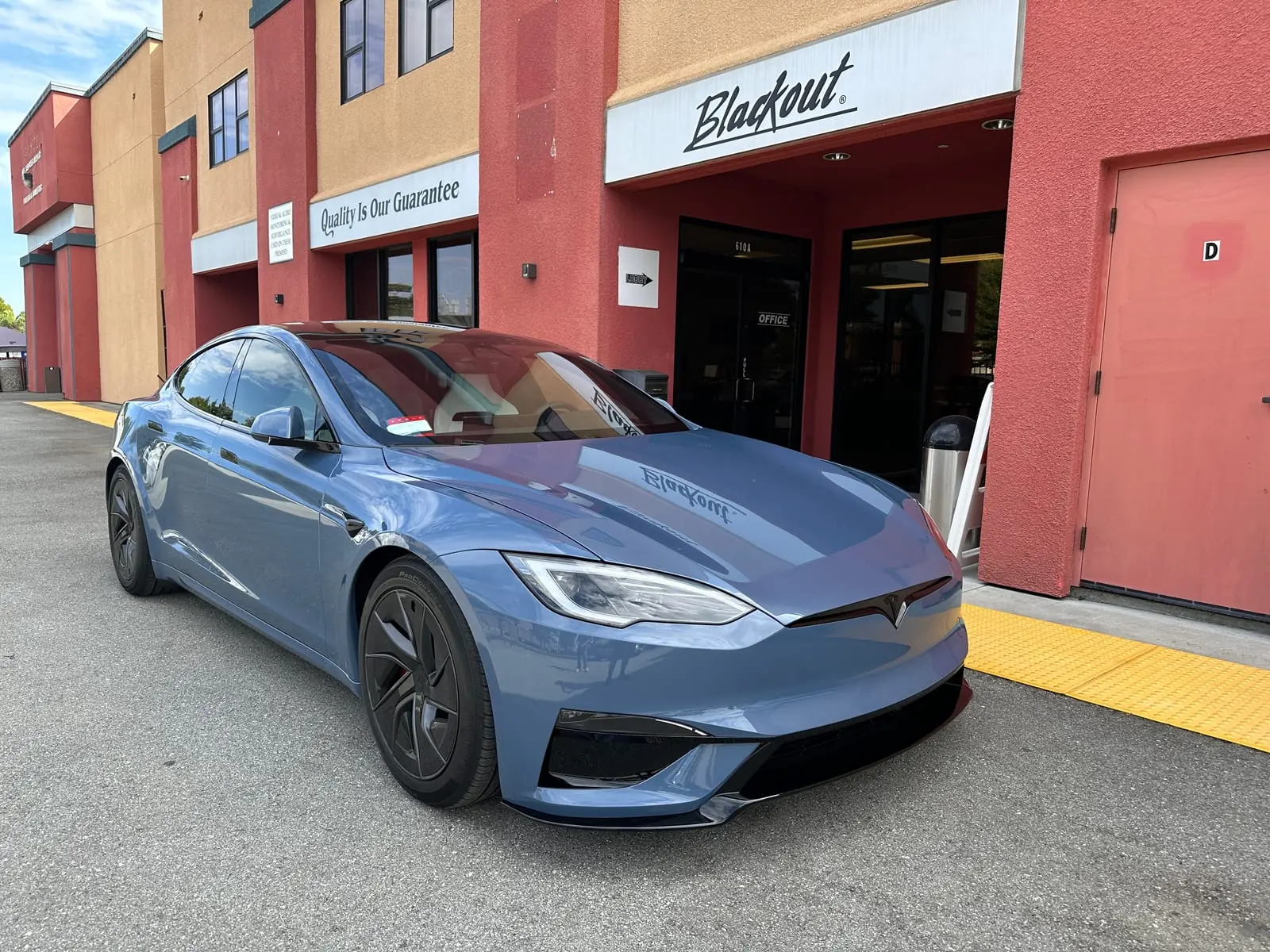
Complete guide to Tesla Model 3 paint correction. Learn about common Tesla paint issues, correction costs, and how to protect your Model 3's finish for the
Tesla owners have a unique relationship with their cars. Love the technology, the performance, the driving experience—but the paint? That's where the frustration often begins. If you've noticed your Model 3's paint doesn't quite live up to Tesla's premium image, you're not alone.
The Tesla Paint Problem: It's Real
Tesla's factory paint quality has been a documented issue since early production. While quality has improved over the years, Model 3s consistently arrive with thinner paint, more defects, and less margin for error than most premium vehicles.
What Makes Tesla Paint Different
| Factor | Model 3 | Comparable Premium |
|---|---|---|
| Total paint thickness | 80–110 microns | 120–150 microns |
| Clear coat thickness | 30–50 microns | 50–70 microns |
| Orange peel texture | Moderate to severe | Minimal to moderate |
| Delivery defects | Common | Less common |
The numbers matter: less clear coat means less material to work with during correction, and tighter margins for protection.
Why Tesla Paint Has Issues
Several factors contribute:
- High-speed production prioritizes volume over finish quality
- Relatively new paint shop compared to established manufacturers
- Water-based paints (environmental compliance) can be harder to apply perfectly
- Delivery center handling adds swirls and contamination
- Outdoor storage leads to water spots and environmental damage
None of this makes your Tesla less of an amazing vehicle—it just means the paint needs attention that other brands might not require.
Common Model 3 Paint Defects We Correct
At our Gilroy shop, we correct more Teslas than any other brand. Here's what we typically find:
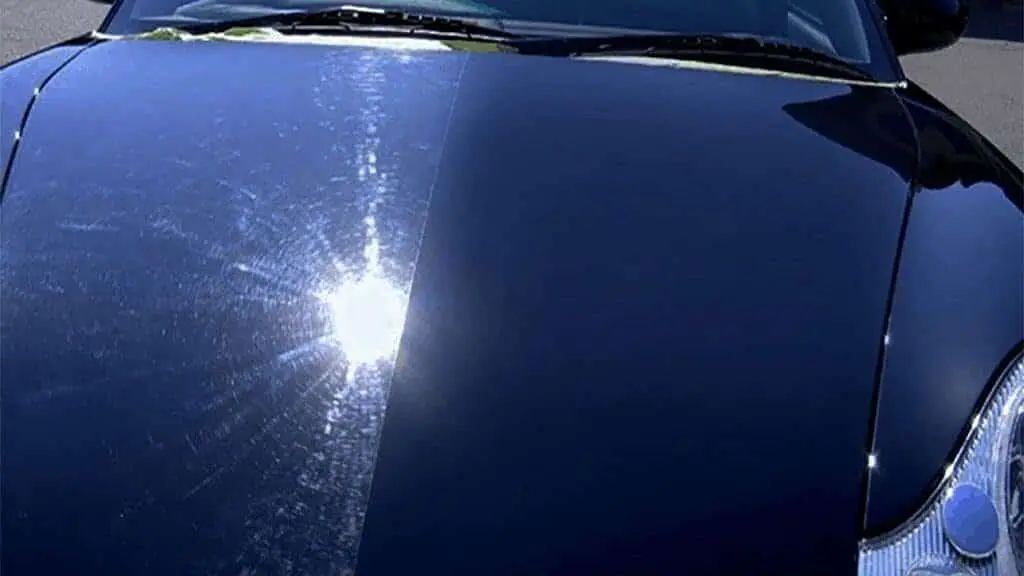
Swirl Marks (Present on 95%+ of Delivered Models)
Circular scratch patterns from:
- Factory handling and transport
- Delivery center wash processes
- Customer attempts at cleaning before correction
Severity: Light to moderate on most vehicles; occasionally severe
Orange Peel Texture
Bumpy, textured surface resembling orange skin:
- Present from factory (not damage—it's how the paint was applied)
- More visible on flat, horizontal surfaces
- Worsened appearance in direct light
Correction: Wet sanding can reduce orange peel, but removes significant clear coat
Water Spot Etching
Permanent marks where mineral deposits bonded:
- From outdoor storage at delivery centers
- Morning dew evaporating repeatedly
- Sprinkler overspray during transport
Severity: Often moderate to severe on vehicles stored outdoors
Thin and Inconsistent Coverage
Paint thickness varies across panels:
- Some spots may measure under 100 microns total
- Rocker panels and lower bumpers often thinner
- Clear coat burns through more easily during correction
Implication: We always measure before correcting to ensure safe margins
Model 3 Correction by Paint Color
Not all Model 3 colors present equal challenges:
Pearl White Multi-Coat
- Defect visibility: Low (swirls hide well)
- Correction difficulty: Moderate
- Typical need: Light enhancement usually sufficient
Solid Black
- Defect visibility: Maximum (every defect shows)
- Correction difficulty: High
- Typical need: Two-stage or multi-stage correction
Midnight Silver Metallic
- Defect visibility: Moderate to high
- Correction difficulty: Moderate
- Typical need: Two-stage correction common
Deep Blue Metallic
- Defect visibility: Moderate to high
- Correction difficulty: Moderate to high
- Typical need: Two-stage correction with careful finishing
Red Multi-Coat
- Defect visibility: Moderate
- Correction difficulty: Moderate (multi-layer paint requires care)
- Typical need: Enhancement to two-stage
Our Tesla-Specific Correction Process
Step 1: Comprehensive Measurement
Before any polishing:
- Measure paint thickness on every panel
- Document thin spots and variations
- Identify panels with minimum safe margins
- Plan correction approach around limitations
Step 2: Thorough Decontamination
Tesla paint collects contamination easily:
- Foam cannon pre-wash
- Hand wash with microfiber mitts
- Iron fallout treatment (road debris and brake dust)
- Clay bar treatment for bonded particles
Step 3: Defect Analysis
Under LED lighting:
- Photograph current condition
- Identify swirl patterns and damage sources
- Note water spot locations
- Assess orange peel severity
Step 4: Test Spot Correction
Given Tesla's thin paint:
- Start with least-aggressive approach
- Test on hidden area (door jamb or under spoiler)
- Verify clear coat removal stays minimal
- Find optimal pad/polish combination
Step 5: Panel-by-Panel Correction
Working systematically:
- Cutting stage with microfiber or moderate foam
- Polishing stage for refinement
- Extra attention to highly visible areas (hood, doors)
- Light touch on measured thin spots
Step 6: Protection Application
After correction:
- IPA wipedown to reveal true finish
- Ceramic coating application
- Cure time and inspection
- Care instruction walkthrough
Model 3 Correction Pricing
| Service | Description | Investment |
|---|---|---|
| Enhancement Polish | Light swirl removal, sealant | $400–$550 |
| Two-Stage Correction | Complete defect removal, sealant | $700–$950 |
| Multi-Stage + Coating | Show-level finish, 5+ year coating | $1,200–$1,800 |
| Ultimate Protection | Correction + coating + PPF | $3,500–$5,500+ |
Pricing varies by paint condition and color. Black vehicles typically require more time.
Why Ceramic Coating Is Essential for Model 3
Tesla's thin paint has minimal margin for future corrections. Ceramic coating:
Prevents Future Damage
Creates a sacrificial layer—minor damage affects the coating, not your limited clear coat.
Reduces Correction Frequency
With proper maintenance on coated paint, you may never need full correction again.
Enhances Appearance
Adds depth and gloss that Tesla's factory finish often lacks.
Makes Cleaning Easier
Hydrophobic properties mean less scrubbing, less swirl risk, less time washing.
Learn about our Tesla ceramic coating options →
Paint Protection Film for Model 3
Given Tesla's thin and soft paint, PPF (clear bra) is worth considering for high-impact areas:
Common Model 3 PPF Coverage
- Full front (bumper, hood, fenders): Maximum rock chip protection
- Rocker panels: Protection from road debris kicked up by wheels
- Rear bumper top: Loading area protection
- A-pillars and mirrors: High-impact zones
Why PPF Matters for Tesla
- Thin paint means rock chips reach primer faster
- Touch-up paint never matches perfectly
- Repairs are expensive (especially for specialty colors)
- PPF is self-healing and replaceable
Many customers combine ceramic coating (entire vehicle) with PPF (high-impact zones) for comprehensive protection.
Maintaining Your Corrected Model 3
After correction and protection, preserve your results:
Do
- Hand wash only with pH-neutral soap
- Use two-bucket method
- Dry with quality microfiber towels
- Address bird droppings and tree sap immediately
- Park in shade or garage when possible
Don't
- Use automatic car washes (ever)
- Air dry without towel drying
- Let contamination sit for extended periods
- Use harsh chemicals or degreasers
- Police touch panels (fingerprints visible on black paint)
Maintenance Schedule
| Interval | Task |
|---|---|
| Weekly | Quick rinse wash if dirty |
| Bi-weekly | Full two-bucket hand wash |
| Monthly | Detail spray or coating maintenance |
| Annually | Professional inspection and decon wash |
Book Your Model 3 Assessment
We've corrected hundreds of Teslas at our Gilroy shop. Bring your Model 3 in for a complimentary paint inspection—we'll show you exactly what condition your paint is in and recommend the appropriate correction and protection.
📍 Location: Gilroy, CA (just off Hwy 101) 📞 Call: 408-848-8468 📧 Email: [email protected]
Frequently Asked Questions
Will correcting my Model 3 void the warranty?
No. Paint correction is a cosmetic service that doesn't affect your Tesla warranty. We're working only on the exterior surface—nothing mechanical or electrical is touched.
How thin is too thin for correction?
Clear coat under 35-40 microns limits aggressive correction. We measure before starting and will honestly tell you if full correction isn't safe. In some cases, enhancement polish is the maximum advisable approach.
Should I correct my Tesla before or after PPF?
Before. Paint must be perfect before PPF application—any defect gets sealed under the film. We often do correction and PPF installation in the same appointment.
How long after purchase should I get correction?
As soon as possible. Every wash adds swirls if you're not using proper technique. Ideally within the first 30 days, before environmental damage accumulates.
My Tesla is [new color]. Does your experience apply?
All Tesla colors share similar paint characteristics—thickness, softness, and factory quality issues. We adjust technique based on specific color visibility, but the process fundamentals remain consistent.
Related Articles
- Ceramic Coating Cost 2026 Bay Area Guide
- Ceramic Coating Maintenance Mistakes
- Ceramic Coating Preserve Shine
31+ years
The team at Blackout Window Tinting has been serving the Bay Area since 1993, providing premium window tinting and vehicle protection services.
Window TintingPPFCeramic CoatingVehicle Wraps