Window Tinting
Security Film for Earthquake Protection in the Bay Area

Blackout Team· Window Tinting Experts
·Updated ·8 min read
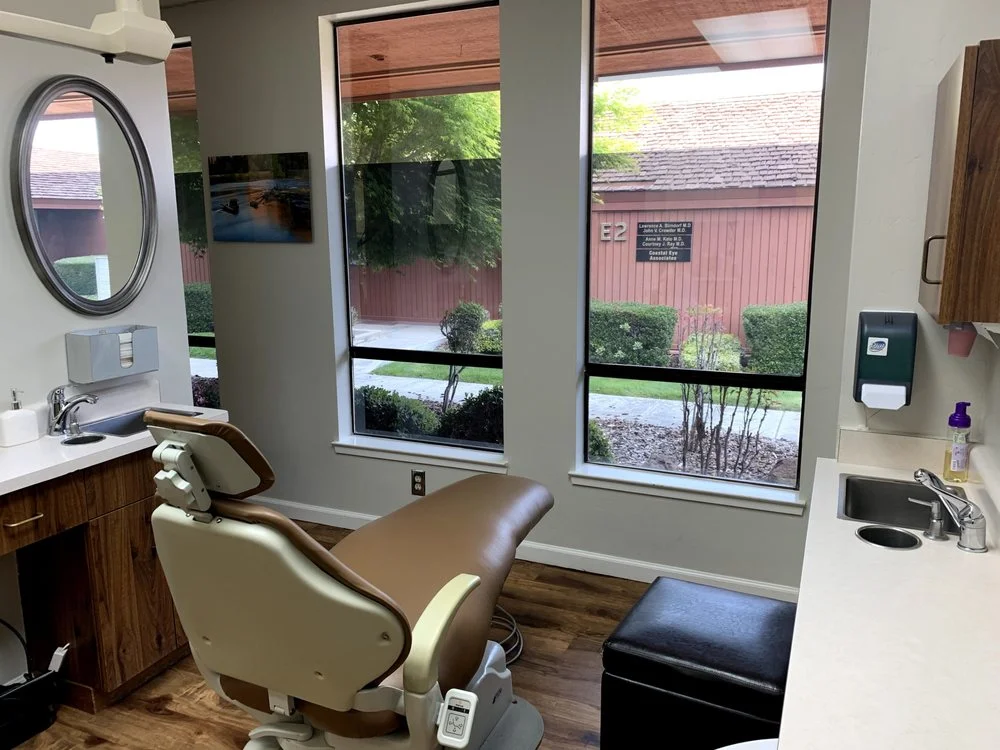
How window security film protects Bay Area homes during earthquakes. Glass containment, safety benefits, and film thickness recommendations for seismic zones.
The Bay Area sits on some of the most active fault lines in North America. The Hayward Fault, San Andreas Fault, and Calaveras Fault all run through our region, making earthquakes a matter of when, not if.
When the shaking starts, your windows become one of the biggest hazards in your home.
How Earthquakes Affect Your Windows
Standard residential windows are designed for weather resistance—not seismic events. During an earthquake:
Structural Movement
- Building frame shifts cause window frames to flex
- Pressure differential creates stress on glass panes
- Twisting motion can crack even dual-pane windows
The Danger Zone
When glass shatters during an earthquake:
- Sharp shards fly inward at high velocity
- Floor-to-ceiling windows create the largest hazard
- Falling debris can knock out windows from outside
- Aftershocks damage already-stressed glass hours or days later
According to FEMA, broken glass is one of the top five causes of earthquake-related injuries in residential settings.
How Security Film Protects During Earthquakes
Security window film is a thick polyester film (measured in mils) applied to the interior surface of your windows. When glass breaks:
The fragments remain bonded to the film instead of flying into your space.
Immediate Protection
During the earthquake:
- Shattered glass stays in the frame
- No flying shards injure occupants
- Windows act as a barrier, not a hazard
Post-Earthquake Benefits
After the shaking stops:
- Weather barrier maintained — keeps rain and wind out until repairs
- Security preserved — looters can't easily enter through broken windows
- Visible damage indicator — you can see cracks without glass on the floor
- Safer cleanup — remove the entire film with glass attached vs. tiny fragments
Bay Area Seismic Risk Zones
Different areas face different risk levels:
| Zone | Primary Fault | Risk Level | Our Recommendation |
|---|---|---|---|
| San Francisco | San Andreas, Hayward | Very High | 12-14 mil film |
| Oakland/Berkeley | Hayward | Very High | 12-14 mil film |
| San Jose | Calaveras, Hayward | High | 8-12 mil film |
| Gilroy/Morgan Hill | Calaveras, San Andreas | High | 8-12 mil film |
| Santa Cruz | San Andreas | High | 8-12 mil film |
| South Bay suburbs | Multiple | Moderate-High | 8 mil minimum |
Soil Conditions Matter
Beyond fault proximity, soil type affects earthquake intensity:
- Soft/fill soil (bay margins): Amplifies shaking 2-3x
- Sandy soil: Liquefaction risk
- Bedrock: More stable, but still at risk
If you're on soft soil, consider upgrading film thickness by one tier.
Film Thickness for Earthquake Zones
Security films come in different thicknesses, each suited for specific needs:
4 Mil (100 microns)
- Protection: Basic shatter containment
- Earthquake protection: Minimal—may help with small cracks
- Best for: Light-duty applications, interior glass
- Not recommended for earthquake preparedness
8 Mil (200 microns)
- Protection: Good containment of broken glass
- Earthquake protection: Adequate for most residential windows
- Best for: Standard windows in moderate-risk zones
- Cost: $8-12/sq ft installed
12-14 Mil (300-350 microns)
- Protection: Excellent—holds glass even under significant stress
- Earthquake protection: Our recommendation for Bay Area homes
- Best for: Large windows, high-risk zones, sliding glass doors
- Cost: $12-18/sq ft installed
20+ Mil (500+ microns)
- Protection: Maximum available
- Earthquake protection: Commercial-grade, exceeds most residential needs
- Best for: Ground floors in high-crime areas, storefronts
- Cost: $18-25/sq ft installed
Priority Windows for Earthquake Protection
Not all windows need the same protection level. Here's how to prioritize:
High Priority
- Sliding glass doors — Large surface area, structural vulnerability
- Large picture windows — More glass = more hazard
- Bedroom windows — Where you sleep, most vulnerable during night quakes
- Children's rooms — Protect the most vulnerable
Medium Priority
- Kitchen windows — Broken items already a hazard, don't add broken glass
- Bathroom windows — Slippery surfaces + broken glass = dangerous
- Home office — Protect equipment and create safe zone
Lower Priority (But Still Recommended)
- Small windows — Less glass, less hazard
- Windows with exterior shutters — Already have some protection
- Garage windows — Secondary living spaces
Cost Guide: Earthquake Protection Film
Investment for Bay Area homes:
| Coverage | 8 Mil Film | 12 Mil Film |
|---|---|---|
| 5 priority windows | $400-$700 | $600-$1,000 |
| Ground floor only | $800-$1,400 | $1,200-$2,000 |
| Whole house (15-20 windows) | $1,200-$2,200 | $1,800-$3,200 |
| Sliding glass door (per door) | $250-$400 | $350-$550 |
ROI Considerations
- Average earthquake damage claim in California: $15,000-$50,000
- Glass replacement per window: $300-$800
- Medical costs from glass injuries: Potentially catastrophic
- Film installation (whole house): $1,500-$3,500
Security film is one of the most cost-effective earthquake preparations you can make.
Additional Benefits Beyond Earthquakes
While you're protecting against earthquakes, security film provides year-round benefits:
Break-In Deterrence
The same film that holds glass during earthquakes delays burglars. A would-be intruder faces minutes of noise and effort instead of instant entry.
UV Protection
Most security films block 99% of UV rays, protecting:
- Hardwood floors from fading
- Furniture from sun damage
- Artwork from degradation
- Your skin from indoor UV exposure
Heat Rejection
Some security films include ceramic particles for heat rejection up to 60%, reducing cooling costs during Bay Area summers.
Storm Protection
Fallen tree branches, windblown debris, and even baseballs from neighborhood kids—security film protects against all of it.
Installation for Maximum Earthquake Protection
Proper installation is critical for earthquake performance:
Edge-to-Edge Coverage
The film must cover the entire glass surface to the edges. Gaps reduce effectiveness.
Anchoring System (For 14+ Mil Films)
For maximum protection, 14+ mil films can be anchored to the window frame. This:
- Prevents film from peeling under stress
- Keeps glass in the frame even if completely shattered
- Adds 30-40% to installation cost but significantly improves performance
Professional Installation Required
DIY security film installation typically fails at the edges first—exactly where earthquake stress is highest. Professional installation ensures:
- Proper edge adhesion
- No bubbles or weak spots
- Correct film tension
- Frame compatibility assessment
Combining Security Film with Earthquake Preparedness
Security film is one layer of a complete earthquake safety plan:
- Structural preparations — Secure water heater, anchor heavy furniture
- Security film — Contain glass hazards
- Emergency kit — Water, food, first aid, flashlight
- Safe zones — Identify drop-cover-hold locations
- Communication plan — Family meeting points, out-of-area contact
Security film won't prevent earthquake damage, but it significantly reduces injury risk and maintains your home's security after the event.
Start Protecting Your Home
Bay Area earthquakes are inevitable. Glass injuries are not.
📞 Schedule a free earthquake protection assessment — We evaluate your windows and recommend the right film thickness.
📍 Visit our Gilroy location — See and feel the difference between film thicknesses.
Related Resources
- Vehicle Protection: Smash-and-Grab Security Film
- Home Security: Complete Home Security Film Guide
- Thickness Options: Window Film Thickness Guide
- Services: Safety & Security Film Services
Visit the Experts in Gilroy
Blackout Window Tinting is the Bay Area's premier choice for premium auto protection. Based in Gilroy at 610 Holloway Rd (behind Target), we've served the South County and Silicon Valley area for over three decades. Whether you're coming from Morgan Hill, Hollister, or anywhere else in the Bay Area, we're your trusted local source for professional window tint, PPF, and ceramic coating.
📞 Questions? Call us at 408-848-8468 or get a free quote online.
Earthquake Security Film FAQs
Will security film make my windows earthquake-proof?
No. Security film holds broken glass together—it doesn't prevent glass from breaking. However, it dramatically reduces the injury hazard and maintains your home's weather barrier and security after the quake.
How long does earthquake security film last?
Quality security film lasts 15-20 years with proper care. Given Bay Area earthquake cycles, this covers multiple potential seismic events.
Can security film be applied to double-pane windows?
Yes, with proper film selection. We use films rated for insulated glass units (IGUs) to prevent thermal stress damage.
Does security film change how my windows look?
No. Security film is optically clear. Most visitors won't notice it's installed unless you point it out.
Is there a best time to install earthquake protection film?
The best time is before you need it. We recommend installing during mild weather (50-80°F) for optimal curing, but installation is possible year-round.
Related Content
- California Window Tint Laws 2026
- Ceramic vs Carbon Window Tint
- Best Window Tint for Tesla Model Y
- Services: Automotive Window Tinting
33+ years
The team at Blackout Window Tinting has been serving the Bay Area since 1993, providing premium window tinting and vehicle protection services.
Window TintingPPFCeramic CoatingVehicle Wraps


