Window Tinting
RV Window Tinting Complete Guide: Heat, Privacy & Legal Tips

Blackout Team· Window Tinting Experts
·Updated ·8 min read
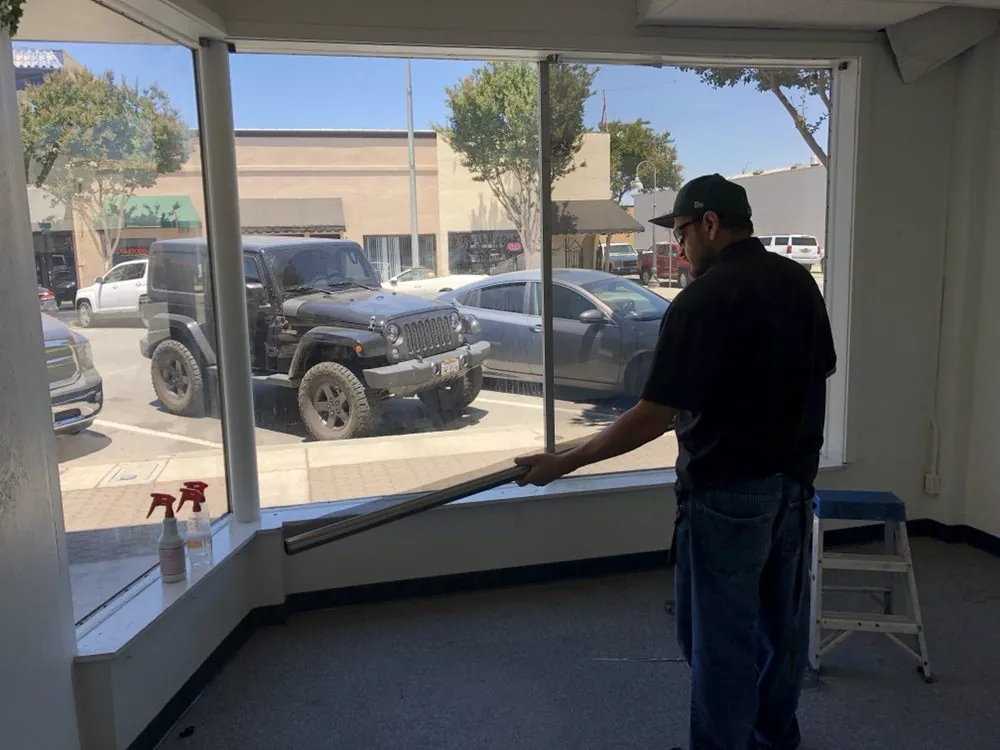
Complete guide to RV and motorhome window tinting. Coverage options, legal requirements, heat rejection, and privacy solutions for recreational vehicles.
RVs are designed for adventure, not comfort.
Those massive windows? Great for views. Terrible for temperature control and privacy. Factory RV glass lets in heat, UV rays, and prying eyes at every campground.
Here's how window tinting transforms your RV experience.
Why RVs Need Window Tinting
The Heat Problem
RV windows are often single-pane with no insulation value:
| Issue | Impact |
|---|---|
| Solar heat gain | Interior temps 20-30°F higher than outside |
| AC overwork | Generator runs constantly, drains batteries |
| Hot spots | Areas near windows become unusable |
| Sleeping discomfort | Morning sun heats bunks early |
| Electronics stress | Devices and batteries overheat |
Ceramic window film rejects up to 60% of solar heat, dramatically reducing cooling load.
The Privacy Problem
Campgrounds pack RVs close together:
- Neighbors see inside
- No privacy while changing
- Visible valuables attract theft
- Feels like living in a fishbowl
Tinted windows provide privacy while maintaining outward visibility.
The UV Problem
RV interiors deteriorate fast:
- Upholstery fades and cracks
- Dashboards warp
- Wood cabinets bleach
- Flooring discolors
Quality film blocks 99% of UV rays, extending interior life significantly.
RV Window Tinting Options
By Darkness Level (VLT)
| VLT | Privacy | Heat Rejection | Best For |
|---|---|---|---|
| 70% | Minimal | Moderate | Windshield, driver area |
| 50% | Light | Good | Kitchen, living area |
| 35% | Moderate | Very good | General living spaces |
| 20% | High | Excellent | Bedrooms, bathrooms |
| 5% | Maximum | Excellent | Sleeping areas only |
By Film Type
Dyed Film (Budget)
- Lower heat rejection
- More affordable
- 3-5 year lifespan
- Good for older RVs
Carbon Film (Mid-Range)
- Better heat rejection
- No signal interference
- 7-10 year lifespan
- Good value option
Ceramic Film (Premium)
- Maximum heat rejection
- No electronic interference
- 10+ year lifespan
- Best performance
Nano-ceramic IR (Best)
- Highest heat rejection
- Clearest appearance
- Premium pricing
- Maximum comfort
Coverage Areas
Driver's Cab (Class A, B, C)
The front cabin requires legal consideration:
Windshield:
- Most states allow tinting above AS-1 line
- 70% VLT clear film legal in most areas
- Reduces glare and heat
- Doesn't affect visibility
Front side windows:
- Subject to state laws
- Often 35% minimum VLT
- Match to legal requirements
Best approach: Clear ceramic film for heat rejection without darkness
Living Area Windows
The main cabin has more flexibility:
Side windows:
- Any darkness level
- Balance privacy and light
- Multiple levels for different areas
Rear window:
- Can go darker
- Good for bedroom privacy
- Maximum heat rejection beneficial
Bedroom/Sleeping Areas
Where privacy matters most:
Recommendations:
- 20-35% VLT for daytime privacy
- 5-15% for maximum privacy
- Blackout options for complete darkness
Bathroom Windows
Critical privacy needs:
Options:
- Dark tint (5-20%)
- Frosted/privacy film
- Decorative patterns
RV Types and Considerations
Class A Motorhomes
Large glass areas, significant cooling load:
- Full treatment recommended
- Driver cab may need separate film
- Expect $2,000-$4,000 for full coverage
- Schedule 2-3 days for installation
Class B Camper Vans
Compact with fewer windows:
- Easier to fully tint
- Factory tint may already exist
- $600-$1,200 typical
- Same-day installation possible
Class C Motorhomes
Combination of cab and living area:
- Cab treated separately from living area
- Overcab bunk often overlooked
- $1,200-$2,500 typical
- 1-2 day installation
Travel Trailers
Tow vehicle separate:
- No driver area concerns
- Living area only treatment
- $800-$2,000 depending on size
- Easier scheduling
Fifth Wheels
Similar to travel trailers:
- Large living areas
- Slide-out windows need consideration
- $1,000-$2,500 typical
- Upper level windows add complexity
Legal Considerations
Driver's Cab
RVs driven on public roads must comply with state tinting laws:
California requirements:
- Front side windows: Must allow 70%+ light
- Windshield: Non-reflective tint only on top 5"
- Back windows: No restrictions
Other states vary significantly
Living Area
Generally unregulated:
- No specific RV living area laws
- Treat like house windows
- Any darkness level acceptable
Traveling Across States
If you travel nationally:
- Driver cab must meet strictest state requirements
- Living area unrestricted
- Keep documentation of VLT levels
Cost Guide
By RV Type
| RV Type | Price Range | Notes |
|---|---|---|
| Pop-up camper | $200-$500 | Limited windows |
| Teardrop trailer | $200-$400 | Very small |
| Travel trailer (20-25') | $800-$1,400 | Standard windows |
| Travel trailer (25-35') | $1,200-$2,000 | Larger glass area |
| Fifth wheel | $1,000-$2,500 | Often includes upper level |
| Class B | $600-$1,200 | Compact |
| Class C | $1,200-$2,500 | Cab + living area |
| Class A (diesel pusher) | $2,500-$4,500 | Massive glass, complex |
What Affects Price
Window count: More windows = higher cost Glass size: Large panoramic windows cost more Film type: Ceramic premium over dyed Access difficulty: Slide-outs add complexity Existing tint: Removal adds cost
Installation Considerations
Scheduling
Plan around your travel:
- Need 24-48 hours before rain exposure
- Avoid installing before desert travel
- Schedule during extended home stays
Slide-Outs
Windows in slide-outs require:
- Extend slides for installation
- Ensure proper seal after
- Test operation before leaving
Emergency Exit Windows
Don't block or alter:
- Emergency egress must function
- Tinting doesn't affect operation
- Labels must remain visible
Acrylic vs. Glass Windows
Many RVs use acrylic:
- Requires different adhesive
- Some films not compatible
- Inform installer of window type
Maintenance Tips
Curing Period
After installation:
- Wait 30 days before cleaning
- Don't touch film
- Small bubbles normal (will clear)
- Avoid pressure on windows
Ongoing Care
Do:
- Clean with ammonia-free cleaner
- Use soft cloth or paper towel
- Wipe gently
- Clean regularly to prevent buildup
Don't:
- Use ammonia-based products
- Scrub with abrasives
- Use squeegees with hard edges
- Apply stickers on film
DIY vs. Professional
DIY Considerations
Pros:
- Lower cost
- Your schedule
- Satisfaction of doing it yourself
Cons:
- RV curves are challenging
- Large windows are difficult
- Bubbles and creases common
- No warranty
Professional Advantages
Why we recommend professional RV tinting:
- Experience with large windows
- Proper equipment (ladders, scaffolding)
- Pattern cutting for RV shapes
- Warranty protection
- Licensed and insured
Ready to Transform Your RV?
Beat the heat, gain privacy, and protect your investment:
📞 Call 408-848-8468 — Describe your RV
📍 Get a quote — Send photos for accurate pricing
Related Articles
- Ceramic Coating for Boats, RVs, and Recreational Vehicles
- Marine Window Tinting Guide
- Residential Window Tinting
33+ years
The team at Blackout Window Tinting has been serving the Bay Area since 1993, providing premium window tinting and vehicle protection services.
Window TintingPPFCeramic CoatingVehicle Wraps


