Detailing
Paint Thickness Gauge: What the Numbers Mean for Your Car

Blackout Team· Window Tinting Experts
·5 min read
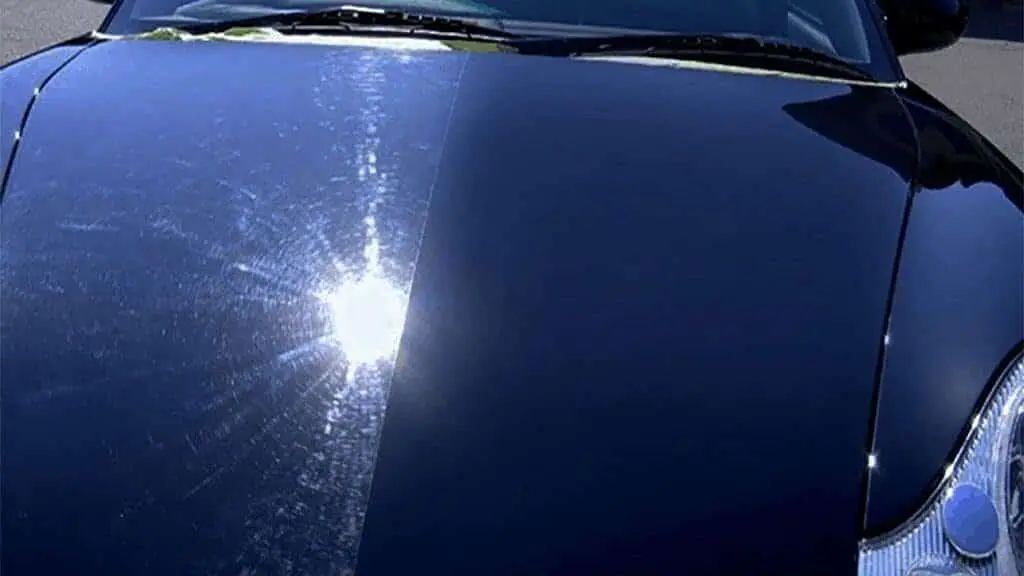
Paint thickness gauges are essential for detailing. Learn how to interpret readings and what they mean for paint correction and ceramic coating.
Understanding Paint Thickness Measurements
Paint thickness gauges reveal critical information about your vehicle's paint condition. Here's what the numbers mean.
What the Gauge Measures
Total paint system:
- Primer layers
- Base coat (color)
- Clear coat (protection)
- Any additional coatings
Standard measurement: Microns (μm) or mils
Conversion: 1 mil = 25.4 microns
Typical Factory Paint Thickness
| Manufacturer | Typical Range (microns) |
|---|---|
| German (BMW, Mercedes, Porsche) | 100-150 |
| Japanese (Toyota, Honda, Lexus) | 80-120 |
| American (Ford, GM, Chrysler) | 100-140 |
| Korean (Hyundai, Kia) | 85-110 |
| Tesla | 80-130 (variable) |
What the Numbers Mean
Very thin (< 80 microns):
- Limited correction possible
- May be previously corrected
- Extra caution required
- Consider PPF over coating
Normal (80-150 microns):
- Typical factory paint
- Safe for standard correction
- Good ceramic coating candidate
- Multiple corrections possible
Thick (150-200 microns):
- May indicate respray
- Could be quality repaint
- Check for consistency
- More correction room available
Very thick (> 200 microns):
- Definitely repainted
- Check for quality issues
- May hide previous damage
- Investigate further
Why Measurements Matter
Before paint correction:
- Determines how much material can be removed
- Prevents clear coat burn-through
- Identifies repainted panels
- Guides correction approach
Before ceramic coating:
- Ensures sufficient clear coat remains
- Identifies potential problem areas
- Documents pre-treatment condition
- Sets appropriate expectations
Reading Variations
Normal variation: ±10-15 microns between panels Concerning variation: 30+ microns difference Red flag: One panel significantly thicker (likely repainted)
The Clear Coat Layer
Of total thickness:
- About 35-50% is typically clear coat
- On 100-micron car: ~40-50 microns clear
- Heavy correction may remove 3-5 microns
- Limited correction capacity
Safe removal limits:
- Light polish: 1-2 microns
- Single-stage correction: 2-3 microns
- Multi-stage: 3-5 microns
- Wet sanding: 5-10+ microns
What We Do With This Information
Our pre-treatment process:
- Measure multiple spots per panel
- Record baseline readings
- Identify any concerns
- Adjust correction plan accordingly
- Discuss findings with owner
When we find issues:
- Thin paint = lighter correction
- Repaint discovery = customer discussion
- Variable readings = extra caution
Can You Trust Gauge Readings?
Accuracy depends on:
- Gauge quality (we use professional-grade)
- Proper calibration
- Correct surface (steel vs aluminum)
- Multiple readings averaged
📞 Want your paint assessed? Schedule a consultation
Visit the Experts in Gilroy
Blackout Window Tinting is the Bay Area's premier choice for premium auto protection. Based in Gilroy at 610 Holloway Rd (behind Target), we've served the South County and Silicon Valley area for over three decades. Whether you're coming from Morgan Hill, Hollister, or anywhere else in the Bay Area, we're your trusted local source for professional window tint, PPF, and ceramic coating.
📞 Questions? Call us at 408-848-8468 or get a free quote online.
Related Content
- Paint Correction Guide
- Interior Detailing Tips
- Ceramic Coating vs Wax
- Services: Professional Detailing
Ready to Get Started?
Professional Detailing Services - Paint correction, interior cleaning, and full details. Get a free quote from Blackout Window Tinting.
📍 Visit our Gilroy shop or call (408) 848-8468
33+ years
The team at Blackout Window Tinting has been serving the Bay Area since 1993, providing premium window tinting and vehicle protection services.
Window TintingPPFCeramic CoatingVehicle Wraps


