Ceramic Coating
Paint Correction vs Ceramic Coating: Which Comes First?

Blackout Team· Window Tinting Experts
·6 min read
Summary / Direct Answer
Correction ALWAYS first. Coating is transparent—seals in defects if uncorrected. Skipping = permanent swirls. Light + coating $900-1,200, full + coating $1,400-2,000+. New cars often need correction too (dealer damage). Apply coating same day.
Understand the critical relationship between paint correction and ceramic coating. Learn why order matters, what happens if you skip correction, and how to get
One of the most common questions we hear at our Gilroy shop: "Should I get paint correction before ceramic coating, or can I apply the coating directly?"
Short answer: Paint correction comes first—always. Here's why this order matters and what happens when you skip steps.
Understanding the Paint Protection Stack
Think of paint protection like building a house. You wouldn't paint walls before patching holes, right? The same logic applies to automotive finishes:
The Proper Order
- Thorough wash and decontamination – Remove all surface contaminants
- Paint correction – Fix existing defects (swirls, scratches, water spots)
- Panel wipe – Remove polishing oils for proper coating adhesion
- Ceramic coating application – Lock in the corrected finish
Skipping step 2 is like putting a clear protective case on a cracked phone screen—you've preserved the damage, not fixed it.
Why Ceramic Coating Doesn't Hide Defects
Here's what many car owners don't realize: ceramic coating is transparent.
A quality ceramic coating provides:
- Extreme hydrophobicity (water beading)
- Chemical resistance
- UV protection
- Enhanced gloss
- Easier cleaning
What it doesn't do:
- Fill scratches or swirl marks
- Level uneven paint surfaces
- Hide oxidation
- Correct color fading
- Remove water spots
In fact, ceramic coatings often make existing defects more visible. The enhanced gloss and clarity acts like a magnifying glass on imperfections that were previously muted by old wax or sealant.
What Happens If You Skip Paint Correction
We see this scenario regularly: a customer applies (or has applied) ceramic coating to uncorrected paint, then realizes they've locked in swirl marks for the coating's lifespan.
The Problem
- Ceramic coatings bond semi-permanently to the clear coat
- Removing coating requires machine polishing
- That polishing also removes the correction you just paid for
- You're essentially paying double for correction
The Math
A typical scenario:
- Ceramic coating on uncorrected paint: $800
- Realizing swirls are now permanent: priceless frustration
- Removing coating + correction + recoating: $1,500+
Compare to doing it right the first time:
- Paint correction + ceramic coating package: $1,100–$1,400
Proper order saves money and delivers dramatically better results.
When Paint Correction Isn't Necessary
Not every vehicle needs extensive correction before coating. Here's our honest assessment:
Skip Correction If:
- Brand new vehicle with zero defects (rare, but possible)
- Paint is in excellent condition with minimal swirling
- Owner doesn't care about perfect reflections under shop lights
- Budget absolutely won't allow it
Minimum Recommended Prep:
Even without full correction, we always recommend:
- Thorough decontamination wash
- Clay bar treatment
- Light one-step polish (removes topmost defects)
- Chemical prep wipe
This "coating prep" package runs significantly less than full correction while ensuring proper adhesion and improved finish.
Three Service Scenarios Compared
Here's what each approach looks like on a typical vehicle:
Scenario 1: Coating Only (No Correction)
Investment: $600–$900 Result: Protected but imperfect finish. Swirl marks, minor scratches, and water spots sealed under coating. Good water beading, easier cleaning, but appearance not improved.
Best for: Owners who prioritize protection over appearance, or vehicles with relatively clean paint.
Scenario 2: Light Correction + Coating
Investment: $900–$1,200 Result: Noticeably improved finish with most visible swirling removed. May not achieve show-car perfection but dramatic improvement over baseline. Excellent value proposition.
Best for: Most owners. Balances cost with significant visual and protective improvement.
Scenario 3: Full Correction + Coating
Investment: $1,400–$2,000+ Result: Show-car finish with virtually all correctable defects removed. Maximum gloss, depth, and clarity protected by premium coating. Head-turning results.
Best for: Enthusiasts, exotic car owners, Tesla owners who want their investment looking its absolute best.
The Paint Correction Process (What's Included)
When you book a correction + coating package at Blackout, here's what we do:
Day 1: Decontamination & Correction
- Full foam cannon wash – Safe dirt removal
- Iron fallout treatment – Dissolves metallic contamination
- Clay bar treatment – Removes bonded contaminants
- Paint depth measurement – Ensures safe correction
- Multi-stage machine polishing – Level-appropriate for your paint
- IPA wipedown – Removes all oils for coating prep
Day 2: Coating Application
- Final surface inspection – Verify correction completeness
- Panel-by-panel coating application – Professional-grade products
- LED light inspection – Check for high spots or missed areas
- Initial cure period – Typically 1–4 hours depending on product
- Customer walkthrough – Review results and care instructions
Total time: 1–3 days depending on vehicle size and correction level.
Which Ceramic Coating Should You Choose?
Once paint is corrected, the coating decision depends on your needs:
Professional-Grade Coatings We Apply
| Coating | Durability | Best For | Investment |
|---|---|---|---|
| Entry Pro | 2–3 years | Budget protection | $400–$600 |
| Premium | 5–7 years | Most owners | $800–$1,200 |
| Flagship | 7–10 years | Enthusiasts | $1,200–$1,800 |
All professional coatings applied at our shop include:
- Written warranty
- Documented care instructions
- Optional annual maintenance program
What About DIY Ceramic Coatings?
Consumer-grade ceramic coatings from auto parts stores typically:
- Last 6–12 months (not years)
- Require perfect prep for any adhesion
- Provide minimal scratch resistance
- Offer inconsistent results
We're not against DIY for enthusiasts who enjoy the process—but for most owners, professional application delivers better value and guaranteed results.
Protecting Your Combined Investment
After correction and coating, protect your investment:
Do's:
- Wait 7 days before washing (coating cure time)
- Use pH-neutral car wash soap
- Hand wash with quality microfiber mitts
- Rinse frequently during wash
- Dry with clean microfiber towels
- Apply coating-specific maintenance spray quarterly
Don'ts:
- Automatic car washes (yes, even touchless can damage coatings)
- Harsh chemicals or degreasers
- Pressure washer directly on paint (6+ inches minimum)
- Letting water spots dry naturally
- Parking under trees long-term
Book Your Correction + Coating Package
Ready to see your paint at its absolute best? Our Gilroy shop specializes in comprehensive paint correction and professional ceramic coating application.
📍 Location: Gilroy, CA (just off Hwy 101) 📞 Call: 408-848-8468 📧 Email: [email protected]
Frequently Asked Questions
How do I know if I need correction before coating?
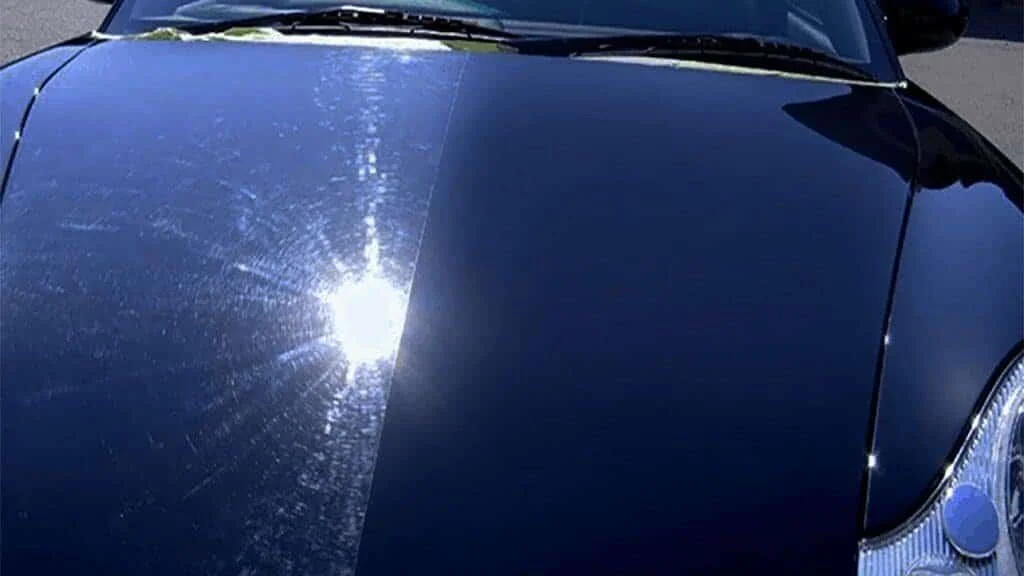
Look at your paint under direct sunlight or bright LED lighting. If you see spider web-like patterns, circular scratches, or haze—correction will dramatically improve results. During your consultation, we'll assess paint condition and recommend the appropriate correction level.
Can I get just paint correction without ceramic coating?
Absolutely. We apply a high-quality sealant after correction that provides 6–12 months of protection. Many customers get correction first, then return for coating when budget allows.
My car is brand new—do I still need correction?
Unfortunately, most new cars arrive with some level of defects from factory handling, transport, and dealer prep. We assess every vehicle individually—some need only minimal prep, others reveal surprising damage under our lights.
How long does ceramic coating last with proper care?
Professional-grade coatings last 2–10 years depending on product selection. Proper maintenance (no automatic washes, regular cleaning) maximizes lifespan. We offer annual inspection and maintenance to keep your coating performing optimally.
What's the difference between ceramic coating and PPF?
Ceramic coating provides chemical protection, hydrophobicity, and enhanced gloss. Paint Protection Film (PPF) provides physical protection against rock chips, scratches, and debris. Many owners combine both—PPF on impact zones, ceramic coating over everything.
How do I know if I need correction before coating?
Look at your paint under direct sunlight or bright LED lighting. If you see spider web-like patterns, circular scratches, or haze—correction will dramatically improve results. During your consultation, we'll assess paint condition and recommend the appropriate correction level.
Can I apply ceramic coating over PPF?
Yes—ceramic coating bonds well to paint protection film and enhances its appearance. Applying ceramic over PPF adds hydrophobic properties and UV protection to the film. This combination provides maximum protection: physical (PPF) + chemical (ceramic).
How long after correction should coating be applied?
Immediately—coating should be applied directly after correction, ideally on the same day. Once paint is corrected and wiped with IPA, it's in the perfect state for coating adhesion. Waiting allows new contamination to bond.
33+ years
The team at Blackout Window Tinting has been serving the Bay Area since 1993, providing premium window tinting and vehicle protection services.
Window TintingPPFCeramic CoatingVehicle Wraps
Ready to upgrade your vehicle?
Experience the Blackout difference. Contact our expert team today for a custom consultation and white-glove service.
Get Your Free QuoteRecommended Services
Explore Ceramic Coating Solutions
Most readers of this article are researching ceramic coating upgrades. Explore our precision-tailored service options.


