Ceramic Coating
Oxidation Removal: How to Restore Faded Car Paint

Blackout Team· Window Tinting Experts
·8 min read
Learn how to remove oxidation from car paint and restore faded finishes. Professional techniques for reversing sun damage and bringing back showroom shine.
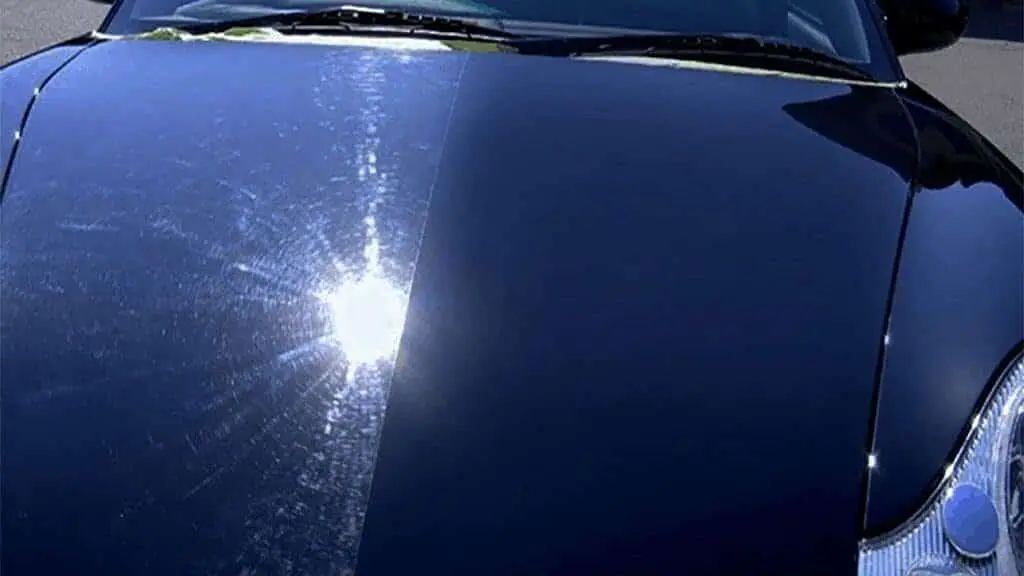
That once-brilliant red car now looks pink. The deep black has turned chalky gray. What happened? Oxidation—the gradual breakdown of paint caused by UV exposure and environmental exposure. The good news: in many cases, oxidation can be reversed.
What Is Paint Oxidation?
Oxidation is the chemical breakdown of your car's clear coat and paint through exposure to oxygen, UV radiation, and environmental contaminants. Think of it as your paint slowly "rusting"—not literally rusting, but undergoing a similar degradation process.
How Oxidation Develops
| Stage | Visual Signs | Reversibility |
|---|---|---|
| Stage 1: UV Damage | Slight dulling, loss of depth | Fully reversible |
| Stage 2: Early Oxidation | Noticeable haze, chalky appearance | Usually reversible |
| Stage 3: Moderate Oxidation | Significant fading, patchy appearance | Partially reversible |
| Stage 4: Severe Oxidation | Paint failure, peeling, bare spots | Requires respray |
Most vehicles we see fall into stages 1-3—meaning professional correction can restore significant appearance.
The Science Behind Oxidation
Automotive paint consists of three layers:
- Primer: Bonds to bare metal
- Base coat: Contains color pigment
- Clear coat: Protective transparent layer
Oxidation primarily attacks the clear coat first. UV radiation breaks down the molecular structure, causing:
- Loss of gloss and clarity
- Chalky white residue formation
- Eventually, clear coat failure exposing base coat
Once oxidation reaches the base coat, the color pigment itself begins to fade—this is when red cars turn pink and black cars turn gray.
What Causes Paint Oxidation?
UV Radiation (Primary Cause)
California sun is particularly brutal on car paint. UV rays:
- Break down clear coat molecules over time
- Accelerate with extended outdoor parking
- Affect all surfaces, but horizontal panels (hood, roof) fastest
Heat Cycling
Temperature fluctuations stress paint:
- Expansion and contraction of layers
- Increased chemical reaction rates
- Greater surface area exposure to air
Environmental Contamination
Pollutants accelerate oxidation:
- Industrial fallout bonds to surface
- Acid rain breaks down protection
- Bird droppings and tree sap create localized damage
- Salt from ocean air or road treatment
Neglected Maintenance
Lack of protection speeds deterioration:
- No wax or sealant allowing direct UV exposure
- Infrequent washing allowing contaminants to bond
- No garage or covered parking
Signs Your Car Has Oxidation
Early Warning Signs
- Paint appears duller than when new
- Color seems "washed out" in direct sunlight
- Clear coat feels rough instead of smooth
- Water doesn't bead like it used to
Moderate Oxidation Signs
- Visible chalky or hazy appearance
- Color noticeably faded compared to shaded areas
- Running your hand across paint leaves white residue
- "Foggy" look that washing doesn't remove
Severe Oxidation Signs
- Clear coat peeling or flaking
- Base coat visible in patches
- Color dramatically different from original
- Paint feels rough like sandpaper
Can Oxidation Be Removed?
The answer depends on how far oxidation has progressed.
Fully Correctable (Stage 1-2)
- UV damage and surface haze
- No clear coat failure
- Color still present under oxidized layer
- Professional correction restores 90-100% appearance
Partially Correctable (Stage 3)
- Moderate oxidation with some clear coat thinning
- Some areas may have deeper damage
- Can improve appearance significantly
- May not achieve "like new" results everywhere
Not Correctable (Stage 4)
- Clear coat failed or peeling
- Base coat exposed and fading
- Structural paint damage
- Requires professional respray
We'll honestly assess your vehicle during consultation and set realistic expectations.
Our Oxidation Removal Process
Step 1: Condition Assessment
Before quoting:
- Visual inspection under multiple lights
- Paint depth measurement at all panels
- Clear coat integrity testing
- Documentation of damage severity
Step 2: Deep Decontamination
Oxidized paint collects contamination:
- Foam cannon pre-wash
- Hand wash with degreasing soap
- Iron fallout removal
- Clay bar to extract bonded particles
Step 3: Test Correction
We verify what's possible:
- Test spot on worst-affected area
- Start with less aggressive approach
- Increase cutting power as needed
- Determine realistic outcome
Step 4: Heavy Correction
Oxidation removal requires cutting through damaged material:
- Microfiber cutting pads for aggressive removal
- Heavy-cut compound to level damaged clear coat
- Progressive passes until fresh material exposed
- Monitor paint thickness throughout
Step 5: Polish and Refine
After removing oxidation:
- Medium polish to refine surface
- Final polish for gloss restoration
- Multi-light inspection for uniformity
Step 6: Protect the Restoration
Critical step—don't repeat the damage:
- IPA wipedown to remove all oils
- Ceramic coating application highly recommended
- Creates UV protection barrier
- Prevents future oxidation development
Oxidation Removal Pricing
| Condition | Process | Investment |
|---|---|---|
| Minor fading (Stage 1) | Enhancement polish + protection | $400–$600 |
| Moderate oxidation (Stage 2) | Two-stage correction + coating | $800–$1,200 |
| Heavy oxidation (Stage 3) | Multi-stage correction + coating | $1,200–$1,800 |
| Panel-specific oxidation | Targeted correction | Starting at $150/panel |
Pricing depends on vehicle size, paint condition, and extent of damage.
Vehicles Prone to Oxidation
Some vehicles oxidize faster due to paint chemistry, color, or common usage patterns:
Red, Yellow, and Orange Paint
- Red pigments fade fastest due to UV sensitivity
- Often show oxidation years before other colors
- Particularly bad on single-stage (non-clear coated) paint
Single-Stage Paint (Older Vehicles)
- Paint without clear coat oxidizes faster
- Common on vehicles pre-1990s
- Can still often be restored with compound and polish
Trucks and Work Vehicles
- Extended outdoor parking
- Often lower-quality paint from factory
- Horizontal surfaces (hood, roof, bed) most affected
Convertibles and Open-Exposure Vehicles
- More surface area exposed to elements
- Interior vinyl and leather also suffer
- Roof panels often worst affected
Preventing Future Oxidation
After restoration, protect your investment:
Professional Protection
- Ceramic coating: UV-resistant, 2-10 years protection
- Paint protection film: Physical barrier plus UV protection
- Combination: PPF on high-impact areas, ceramic everywhere
Daily Habits
- Park in shade or garage when possible
- Use car cover for extended outdoor storage
- Wash regularly to remove contamination
- Apply spray sealant between professional maintenance
Maintenance Schedule
| Interval | Action |
|---|---|
| Weekly | Quick rinse wash |
| Monthly | Full wash with maintenance spray |
| Quarterly | Coating-specific maintenance product |
| Annually | Professional inspection and renewal |
Real Oxidation Restoration Examples
Case 1: Faded Red Truck
Vehicle: 2015 Ford F-150 (red) Condition: Hood and roof severely faded, doors moderate Process: 3-stage correction, ceramic coating Result: Approximately 85% restored, dramatic improvement
Case 2: Chalky Black SUV
Vehicle: 2010 Toyota 4Runner (black) Condition: Overall haze, scratching, outdoor-stored Process: 2-stage correction, ceramic coating Result: Nearly full gloss restoration, showroom shine
Case 3: Peeling Clear Coat
Vehicle: 2008 Honda Accord (silver) Condition: Clear coat failing on hood and roof Outcome: Recommended respray—beyond correction scope Next steps: Referred to quality body shop
Book Your Oxidation Assessment
Not sure if your paint can be restored? Bring your vehicle to our Gilroy shop for a free assessment. We'll examine the damage, measure paint thickness, and honestly tell you what's possible.
📍 Location: Gilroy, CA (just off Hwy 101) 📞 Call: 408-848-8468 📧 Email: [email protected]
Frequently Asked Questions
Can I remove oxidation myself with rubbing compound?
Consumer compounds can help with very light oxidation, but risk burning through thin or compromised clear coat. Without proper technique and equipment, DIY correction often creates additional damage. For anything beyond surface haze, professional correction is safer and more effective.
How long does oxidation removal last?
The correction itself is permanent—we remove the damaged material, not cover it. However, without protection, oxidation will return. With ceramic coating, you're protected for 2-10 years depending on product selected.
Is it worth restoring an older vehicle's paint?
That depends on the vehicle's value to you. If you're keeping the car, restoration and protection often costs less than respray and delivers excellent results. If you're selling soon, even moderate improvement can increase resale value.
Can you remove oxidation from headlights too?
Yes! Headlight restoration is a separate service we offer. Oxidized headlights reduce visibility and age your car's appearance—we can restore them during the same visit as paint correction.
My clear coat is peeling in spots. Can you fix it?
Peeling clear coat means paint failure—correction cannot reattach what's separating. Those areas require respray. We can correct surrounding areas and often improve overall appearance, but we'll be upfront about limitations.
Related Articles
- Ceramic Coating Cost 2026 Bay Area Guide
- Ceramic Coating Maintenance Mistakes
- Ceramic Coating Preserve Shine
31+ years
The team at Blackout Window Tinting has been serving the Bay Area since 1993, providing premium window tinting and vehicle protection services.
Window TintingPPFCeramic CoatingVehicle Wraps