Detailing
New Car Paint Correction: Do You Need It?

Blackout Team· Window Tinting Experts
·7 min read
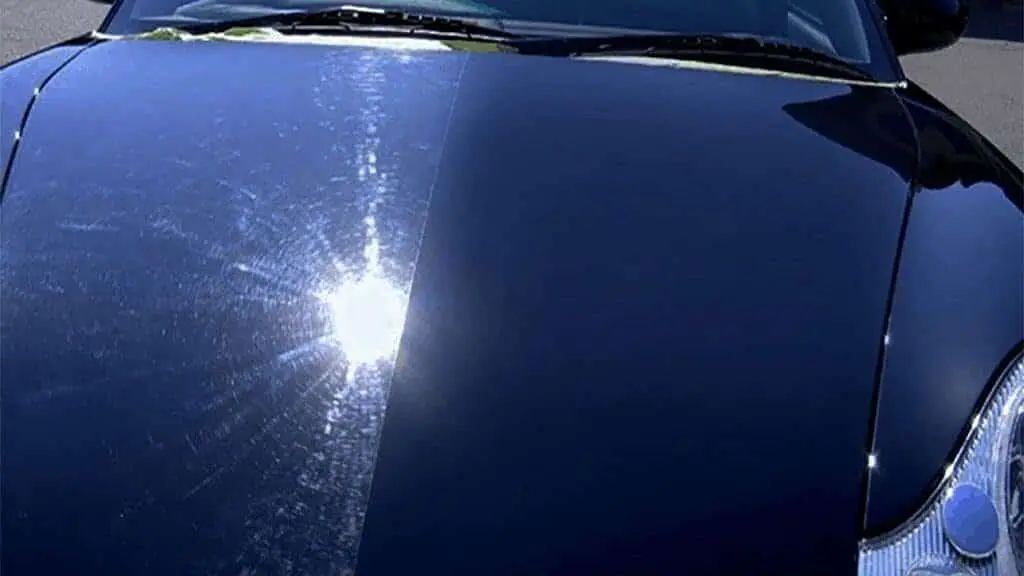
Discover why most new cars have paint defects straight from the factory. Learn when new car paint correction is necessary and how to protect your investment
You just picked up your brand new car. The paint is perfect—or is it? One of the most frequent conversations we have at our Gilroy shop involves new car owners who are shocked to discover their "flawless" factory finish is anything but.
The Uncomfortable Truth About New Car Paint
Most new vehicles arrive at dealerships with paint defects. Before you even see your car, it's been through manufacturing handling, transport across ocean or land, dealer prep, and lot time. Each step introduces opportunities for damage.
Here's what typically happens before delivery:
| Stage | Potential Paint Damage |
|---|---|
| Factory | Dust inclusions, orange peel, handling marks |
| Transport | Rail dust contamination, strap marks, bird droppings |
| Dealer Prep | Automatic wash damage, buffer swirls, compound residue |
| Lot Time | Sun exposure, water spots, environmental fallout |
What We Find on "Brand New" Vehicles
Under our LED inspection lights, new cars commonly show:
- Swirl marks from dealer wash tunnels (most common)
- Hologram patterns from improper rotary buffing
- Water spot etching from dealership prep
- Rail dust contamination (metallic particles embedded in paint)
- Compound residue from rushed touch-up attempts
- Wet sanding marks from poor defect correction
We've inspected vehicles with less than 100 miles showing moderate to severe swirl patterns—damage that sets into the paint before the customer even drives home.
Why Dealerships Create These Defects
Dealerships process high volumes of vehicles with tight margins. Their priorities are speed and efficiency, not paint perfection:
Dealer Prep Realities
- Automatic wash tunnels spin contaminated brushes at high speed
- Cheap towels and rags drag particles across paint
- Untrained staff use poor washing and drying techniques
- Single-bucket washing reintroduces dirty water to paint
- Rush timelines prevent proper contamination removal
The "Protection Package" Problem
Many dealers offer a "paint protection package" for several hundred dollars. Here's what that typically includes:
- Low-grade spray sealant (worth maybe $25)
- No paint correction or decontamination
- Applied over existing defects
- Locks in damage under a thin coating
The result: You've paid to preserve swirl marks, not remove them.
How to Assess Your New Car's Paint
Before signing off on delivery, or as soon as possible after:
Step 1: Inspect Under Proper Lighting
Direct sunlight or LED work lights reveal defects that showroom lighting hides. Look at body panels from multiple angles—defects appear and disappear as your viewing angle changes.
Step 2: Know What You're Looking For
- Swirl marks: Circular scratch patterns visible in direct light
- Holograms: Ghostly streaks from improper machine polishing
- Water spots: Circular etching where minerals bonded to paint
- Orange peel: Textured surface (common on factory paint)
Step 3: Document Everything
If you find defects:
- Take photos under direct light
- Note the mileage at inspection
- Document before accepting delivery if possible
When New Cars Need Correction
Not every new vehicle needs extensive correction. Here's our honest assessment:
Light Enhancement Recommended (Most New Cars)
Typical scenario: Some swirling visible under direct light, overall paint condition good What we do: Single-stage polish to remove surface defects Investment: $300–$450
Standard Correction Recommended
Typical scenario: Moderate swirl marks, visible holograms, dealer prep damage evident What we do: Two-stage cut and polish Investment: $500–$800
Skip Correction If
- Paint appears perfect under LED inspection (rare)
- You accept minor defects and want protection only
- Vehicle arrives direct from manufacturer (very rare)
The Best Approach: Correction + Protection
For maximum value and protection, we recommend addressing paint issues during the same visit as ceramic coating:
Our New Vehicle Package Process
- Full decontamination wash — Remove transport and dealer contamination
- Clay bar treatment — Extract bonded particles
- Paint depth measurement — Ensure safe correction margins
- Level-appropriate correction — Remove defects without compromising protection
- IPA wipedown — Remove all oils for optimal coating bond
- Ceramic coating application — Lock in the corrected finish
This combined approach delivers a better-than-factory finish protected for years.
Why Correction Before Coating Matters
Ceramic coating is transparent—it protects what's on your paint, including defects. Applying coating over uncorrected paint means:
- Swirl marks are now semi-permanent
- Removing coating requires machine polishing
- You're paying for correction twice (to remove coating, then to correct, then to recoat)
Learn more about the correction + coating relationship →
Vehicle-Specific Considerations
Some manufacturers are known for softer paint that damages more easily:
Commonly Soft-Paint Brands
- Tesla — Factory paint is notoriously thin and soft
- BMW — Clear coat scratches easily without protection
- Mazda Soul Red — Multi-layer paint requires careful handling
- Honda/Acura — Softer paint than Toyota/Lexus equivalents
- Subaru — Thin factory clear coat
These vehicles benefit most from immediate protection—but also show dealer prep damage most obviously.
Tesla-Specific Issues
We see more new Teslas than any other brand, and they consistently show:
- Thin factory paint (sometimes under 100 microns total)
- Delivery center wash damage
- Water spot etching from outdoor storage
- Inconsistent texture across panels
See our complete Tesla protection guide →
Prevention: What to Ask Your Dealer
Before taking delivery, you can reduce damage risk:
Requests to Make
- "Do not wash my car" — Pick up dirty if needed
- "Store it covered" — Minimizes environmental exposure
- "Skip the protection package" — You'll get proper protection elsewhere
- "Note all defects on delivery" — Documentation matters
Most dealers will accommodate these requests—you're the customer.
New Car Correction Pricing at Blackout
| Service | What's Included | Investment |
|---|---|---|
| New Vehicle Enhancement | Decontamination, light polish, sealant | $350–$500 |
| New Vehicle Correction + Coating | Full prep, correction, ceramic coating | $900–$1,400 |
| Ultimate Protection Package | Correction, coating, plus PPF on high-impact areas | $2,500–$4,500+ |
Schedule Your New Vehicle Inspection
Bring your new car to our Gilroy shop for a complimentary paint inspection. Under our LED lights, we'll show you exactly what condition your paint is in and recommend the appropriate level of correction and protection.
📍 Location: Gilroy, CA (just off Hwy 101) 📞 Call: 408-848-8468 📧 Email: [email protected]
Get Your Free New Vehicle Quote →
Frequently Asked Questions
How soon after purchase should I get correction and coating?
As soon as possible—ideally within the first 30 days. The longer you wait, the more environmental damage accumulates, and the more correction may be needed. Many customers schedule protection before even taking delivery.
Will correcting new car paint void my warranty?
No. Paint correction is a cosmetic service that does not affect mechanical warranties. We're working only on the clear coat surface—nothing that impacts vehicle operation or manufacturer coverage.
Can I just get coating without correction on my new car?
Yes, but we don't recommend it. We'll discuss what defects are present and set realistic expectations. Some customers accept minor imperfections for budget reasons—we respect that choice and will apply coating over properly decontaminated paint.
How do I maintain my car after correction and coating?
We provide detailed care instructions with every coating application. The basics: hand wash only (never automatic car washes), use pH-neutral soap, and address contamination promptly. Our coating makes maintenance dramatically easier—most debris rinses off with water alone.
Explore our services: Paint Correction | Ceramic Coating | Detailing
Related Articles
- Black Car Paint Correction Guide
- Clay Bar Treatment When Why How Often
- Diy Vs Professional Detailing Cost Comparison
31+ years
The team at Blackout Window Tinting has been serving the Bay Area since 1993, providing premium window tinting and vehicle protection services.
Window TintingPPFCeramic CoatingVehicle Wraps

