Detailing
Multi-Stage Paint Correction Guide

Blackout Team· Window Tinting Experts
·8 min read
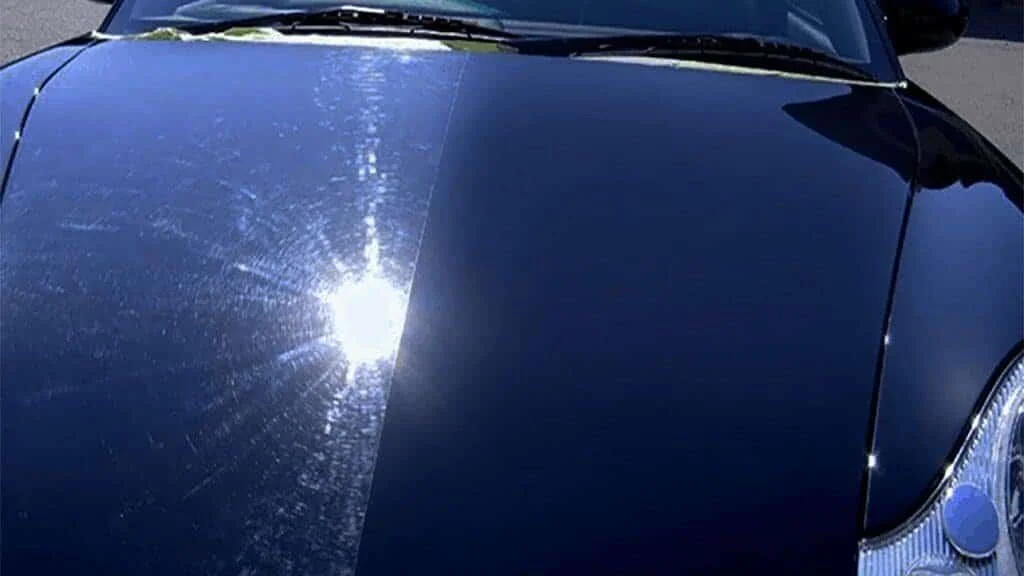
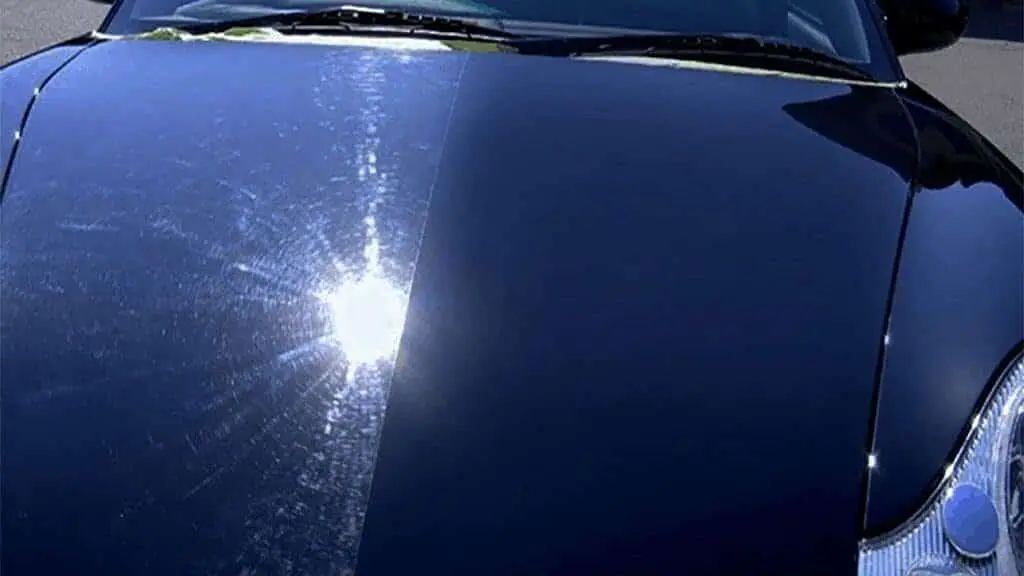
Discover when multi-stage paint correction is necessary, what each stage involves, and how we transform neglected paint into show-car finishes.
Some paint is beyond a quick polish. Years of automatic car washes, sun damage, improper washing, or neglect can leave clear coats looking like sandpaper under direct light. This is when multi-stage paint correction becomes necessary.
What Is Multi-Stage Paint Correction?
Multi-stage paint correction uses progressively finer polishing steps to remove defects and restore maximum gloss. Unlike a single-step polish that addresses only surface-level swirls, multi-stage correction cuts deeper into the clear coat to eliminate heavier scratches, oxidation, and embedded damage.
Think of it like refinishing hardwood floors:
- Light scratches need light sanding and polish
- Deep scratches need coarse sanding, medium sanding, then polish
- Severely damaged floors might need multiple sanding passes before final refinement
Your car's paint works the same way.
1-Stage vs 2-Stage vs 3-Stage: What's the Difference?
1-Stage Correction (Light Enhancement)
Best for: Newer vehicles, well-maintained paint, light swirling
What it addresses:
- Surface-level swirl marks
- Light water spots
- Minor oxidation
- Marring from improper drying
Process: Single polishing step with medium-cut compound and foam pad. Provides noticeable improvement without aggressive clear coat removal.
Time: 4–6 hours Investment: $300–$450
2-Stage Correction (Standard)
Best for: Most vehicles, moderate swirling and scratching, pre-coating prep
What it addresses:
- Moderate swirl marks
- Automatic car wash damage
- Light to medium scratches (not fingernail-catching)
- Haze and oxidation
- Polisher trails from previous amateur correction
Process:
- Cutting stage with microfiber or wool pad and heavy compound
- Polishing stage with soft foam pad and finishing polish
Time: 8–12 hours Investment: $500–$800
3-Stage Correction (Show Level)
Best for: Severely damaged paint, show cars, concours preparation, high-end exotics
What it addresses:
- Heavy swirl marks and scratches
- Deep water spots leaving etching
- Severe oxidation
- Random deep scratches (within clear coat limits)
- History of poor maintenance
- Maximum gloss and reflection quality
Process:
- Heavy cutting stage with aggressive pad and compound
- Medium cutting stage for scratch refinement
- Final polish for maximum gloss and clarity
Time: 15–25+ hours Investment: $850–$1,200+
Signs Your Paint Needs Multi-Stage Correction
During your consultation, we assess paint under our LED inspection lights. Here's what we look for:
Needs Light Enhancement (1-Stage)
- Visible swirls mostly in direct sunlight
- Paint appears glossy overall but imperfect close-up
- Vehicle is regularly hand-washed
- Age under 3 years with minor defects
Needs Standard Correction (2-Stage)
- Heavy swirl visible under any bright light
- History of automatic car wash use
- Water spots that haven't responded to chemical removal
- Age 3–7 years with moderate maintenance
- Previous amateur polishing attempts
Needs Serious Help (3-Stage)
- Paint appears dull or hazy overall
- Severe swirling creates "hologram" effect
- Deep scratches visible without close inspection
- Oxidation making color appear faded
- Age 7+ years with poor maintenance history
- Vehicle was stored uncovered outdoors
- Previous "correction" that created more problems
Our Multi-Stage Correction Process: Step by Step
Here's exactly what happens when you bring your vehicle in for multi-stage correction:
Pre-Correction Assessment
Before any polishing begins:
- Full vehicle wash – Two-bucket method with pH-neutral soap
- Iron fallout treatment – Dissolves metallic contamination (critical for South Bay vehicles near rail lines)
- Clay bar decontamination – Removes bonded tree sap, road tar, overspray
- Paint depth measurement – Gauge readings at all panels to map clear coat thickness
- Defect documentation – Photos under LED lights for before/after comparison
The Cutting Stage
This is where serious defect removal happens:
Equipment: RUPES or Flex dual-action polisher Pads: Microfiber cutting disc or wool pad (depending on severity) Product: Heavy-cut compound designed for automotive clear coats
Technique:
- Work 2x2 foot sections systematically
- Multiple slow passes with moderate pressure
- Clean pad frequently to prevent residue buildup
- Inspect under LED after each section
- Continue until target defect removal achieved
This stage removes 80–90% of correctable defects but leaves a hazy, slightly scratched appearance that requires refinement.
The Polishing Stage
Now we refine the cut marks from stage one:
Equipment: Same polisher platform Pads: Medium-soft foam polishing pad Product: Medium-cut polish for scratch refinement
Technique:
- Lighter pressure than cutting stage
- Moderate speed for heat generation
- Work until cut marks disappear
- Inspect for remaining defects
After this stage, most vehicles achieve excellent clarity. For show-level work, we continue.
The Final Refinement Stage
Maximum gloss extraction:
Equipment: RUPES finishing polisher (lower oscillation) Pads: Ultra-soft finishing pad Product: Jeweling polish for maximum gloss
Technique:
- Very light pressure
- Higher speeds for polish activation
- Work until glass-like reflection achieved
- Final IPA wipedown to verify true finish
Real Results: What to Expect
Before Multi-Stage Correction
- Swirl marks visible from 10+ feet away
- Dull, hazy appearance even under shade
- Color looks faded compared to factory
- Reflection shows distorted, broken images
After Multi-Stage Correction
- Glass-like clarity under any lighting
- "Wet look" depth and richness
- Mirror-quality reflections showing trees, clouds
- Factory color restored to original vibrancy
The transformation is dramatic—we often have customers inspect their vehicle under our lights and ask "is this really my car?"
Paint Depth: The Safety Limit
Here's something many shops don't discuss: every correction removes clear coat permanently.
Understanding Paint Layers
Factory automotive paint consists of:
- Base coat (color layer): 15–25 microns
- Clear coat (protection): 50–80 microns
Multi-stage correction works only within the clear coat. Each polishing pass removes approximately:
- Light polish: 0.5–1 micron
- Medium compound: 1–2 microns
- Heavy compound: 2–4 microns
Total Removal by Correction Level
- 1-Stage: 1–3 microns removed
- 2-Stage: 3–8 microns removed
- 3-Stage: 8–15 microns removed
Even aggressive 3-stage correction leaves 35–70+ microns of clear coat—plenty for future maintenance and protection.
When We Say No
We measure paint depth before every correction. If readings show:
- Clear coat under 40 microns (previously corrected heavily)
- Significant variation between panels (respray indicators)
- Any panel approaching base coat exposure
We'll recommend alternative approaches or explain safe limitations honestly.
Protecting Your Multi-Stage Investment
You've invested $500–$1,200+ and 10–25 hours of skilled labor. Protect it:
Immediate Protection Options
Ceramic Coating (Recommended)
- Locks in corrected finish
- Adds sacrificial protection layer
- Makes maintenance dramatically easier
- 2–10 year protection depending on product
Paint Protection Film
- Physical scratch prevention for high-impact areas
- Clear bra on hood, fenders, bumper
- Can be combined with ceramic coating over film
Premium Sealant
- Budget-friendly option
- 6–12 month protection
- Good bridge solution before coating
Long-Term Maintenance
To avoid needing multi-stage correction again:
- Never use automatic car washes – The primary cause of swirl marks
- Two-bucket wash method – Separate rinse and wash buckets
- Quality microfiber materials – Cheap towels scratch paint
- Address contamination quickly – Don't let bird droppings or tree sap bond
- Park in shade when possible – UV accelerates oxidation
Multi-Stage Correction Pricing at Blackout
| Service Level | What's Included | Timeframe | Investment |
|---|---|---|---|
| 1-Stage Enhancement | Single polish, sealant | 1 day | $300–$450 |
| 2-Stage Correction | Cut + polish, sealant | 1–2 days | $500–$800 |
| 3-Stage Show Prep | Full multi-stage, sealant | 2–3 days | $850–$1,200+ |
Bundle discounts available when combined with ceramic coating or paint protection film.
Drop-off arrangements: For multi-day corrections, we can coordinate vehicle drop-off and pickup times that work with your schedule.
Is Multi-Stage Correction Worth It?
Calculate Your ROI
Consider what you're protecting:
- Average new vehicle cost: $48,000+
- Appearance impact on resale value: 5–10%
- Value at stake: $2,400–$4,800
A $1,000 multi-stage correction that restores your paint and protects resale value makes financial sense beyond just pride of ownership.
Beyond Money
- Daily enjoyment: That head-turn when you see your car in the parking lot
- Pride of ownership: Showing off a car that looks better than new
- Long-term protection: Ceramic coating on corrected paint lasts years
- Practical benefits: Easier cleaning, better water shedding
Book Your Paint Assessment
Not sure which correction level your vehicle needs? Bring it by our Gilroy shop for a free assessment under our LED lights. We'll show you exactly what we see and recommend the appropriate correction level—honestly.
📍 Location: Gilroy, CA (just off Hwy 101) 📞 Call: 408-848-8468 📧 Email: [email protected]
Get Your Free Paint Assessment →
Frequently Asked Questions
How long does multi-stage correction last?
The correction itself is permanent—we're removing material, not hiding it. However, new damage can occur through improper washing or environmental exposure. With proper maintenance and ceramic coating protection, your corrected finish can stay pristine for years.
Can all scratches be removed through correction?
No. If a scratch catches your fingernail, it likely extends into or through the base coat. These require touch-up paint or professional respray. We'll honestly assess what's correctable during your consultation.
Will multi-stage correction damage my paint?
When performed by experienced technicians with proper equipment and technique, correction is safe. We measure paint depth before starting and work within safe parameters. The material removed is microscopic compared to total clear coat thickness.
How often should I get multi-stage correction?
Ideally, once. After correction and proper protection (ceramic coating), you should only need maintenance washes and occasional light enhancement. If you need multi-stage correction repeatedly, your maintenance routine needs adjustment—and we'll help you fix that.
What's the difference between detailing and paint correction?
Detailing includes washing, interior cleaning, and surface dressing. Paint correction specifically addresses defects in the clear coat through machine polishing. A "detail" might include light polish, but multi-stage correction is a specialized service focused on paint restoration.
Related Articles
- Black Car Paint Correction Guide
- Clay Bar Treatment When Why How Often
- Diy Vs Professional Detailing Cost Comparison
31+ years
The team at Blackout Window Tinting has been serving the Bay Area since 1993, providing premium window tinting and vehicle protection services.
Window TintingPPFCeramic CoatingVehicle Wraps