Window Tinting
Marine Window Tinting: Salt, UV & Heat Protection for Boats

Blackout Team· Window Tinting Experts
·Updated ·7 min read
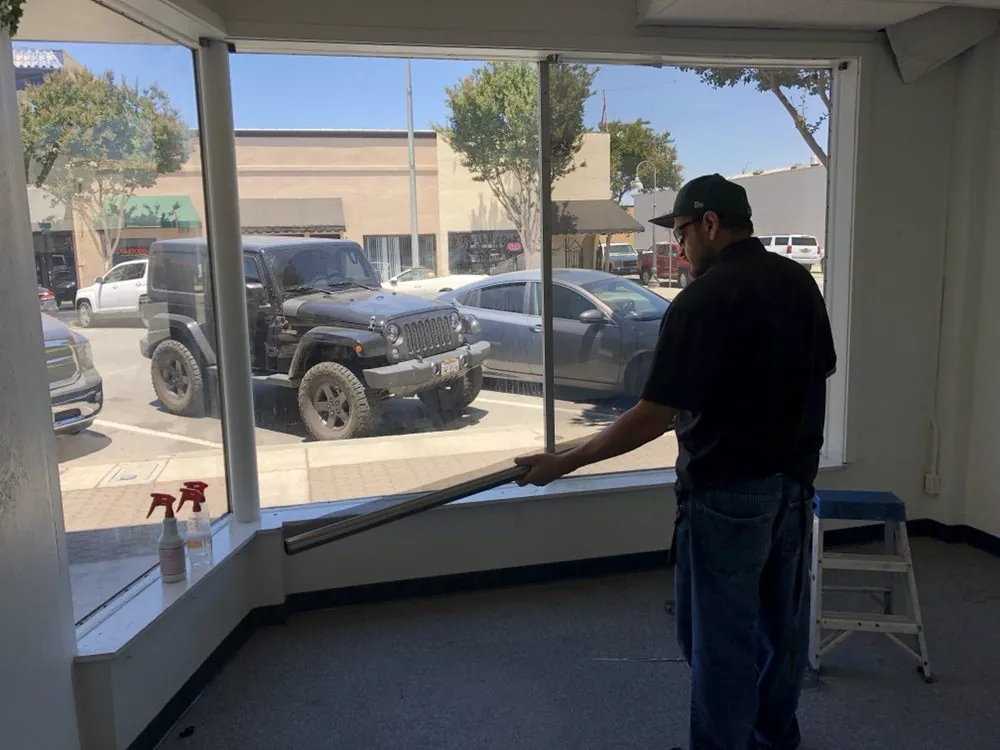
Complete guide to marine window tinting for boats and yachts. Learn how window film protects against salt spray, intense UV, and cabin heat on the water.
Boating in the Bay Area means dealing with conditions no car ever faces.
Constant salt exposure. UV rays from above AND below. Cabins that become ovens. Your boat's windows are the first line of defense—and they're often left unprotected.
Here's why marine window tinting is essential, not optional.
The Triple Threat: Salt, UV, and Heat
Salt Spray Damage
Salt is corrosive. It attacks everything:
- Metal frames and hardware
- Window seals and gaskets
- Interior fabrics and leather
- Electronics and instruments
While window film doesn't protect exterior surfaces, it protects interior components from salt-laden air that enters through open hatches and doors. Quality film also resists the corrosive effects of salt air on the film itself.
UV Intensity on Water
Here's what many boat owners don't realize: UV exposure on water is 2-3× more intense than on land.
Why? Water reflects UV rays upward. You're getting bombarded from above by direct sunlight AND from below by reflection off the water surface.
The damage happens fast:
- Gelcoat oxidation and fading
- Upholstery cracking and discoloration
- Dashboard warping and cracking
- Gauge and instrument fading
- Wood trim damage
Quality marine window film blocks 99% of UV rays, dramatically slowing this deterioration.
Heat Buildup in Cabins
Glass windows turn enclosed spaces into greenhouses. Boat cabins, berths, and helm stations can reach 130°F+ on sunny days, causing:
- Unbearable sleeping conditions
- Electronics overheating and failing
- Crew fatigue and dehydration
- Excessive AC load on battery/generator
- Potential damage to provisions
Ceramic window film rejects up to 60% of solar heat, keeping cabins 15-25°F cooler.
Marine Film vs. Automotive Film
Standard automotive window film won't last on boats. Marine environments require specialized products:
What Makes Marine Film Different
| Feature | Marine Film | Standard Auto Film |
|---|---|---|
| Adhesive | Salt-resistant formula | Standard adhesive |
| UV stabilizers | Enhanced for intense exposure | Standard protection |
| Flexibility | Handles hull flexing | Rigid, may crack |
| Humidity resistance | Designed for marine conditions | May delaminate |
| Corrosion protection | Resists saltwater degradation | Limited resistance |
Recommended Films for Marine Use
3M Prestige Series
- Maximum heat rejection with minimal reflectivity
- Excellent salt and UV resistance
- Clear appearance, won't look like mirrors
Ceramic IR Films
- High heat rejection for cabin comfort
- Works well on curved marine glass
- Stable in humidity and temperature cycles
Best Applications by Boat Area
Helm and Bridge
The driver's station needs careful consideration:
Recommended: 50-70% VLT ceramic film
- Maintains visibility for navigation
- Reduces glare without going too dark
- Won't interfere with electronics or GPS
- Compatible with polarized sunglasses
Cabin and Berths
Living spaces benefit from maximum protection:
Recommended: 20-35% VLT ceramic film
- Privacy for sleeping quarters
- Maximum heat rejection
- Significant UV protection
- Darker appearance acceptable
Salon and Entertaining Areas
Balance visibility with comfort:
Recommended: 35-50% VLT ceramic film
- Good outside visibility
- Comfortable interior temperature
- Reduced glare for guests
- Professional appearance
Cost of Marine Window Tinting
Marine tinting costs vary by vessel size and complexity:
| Boat Type | Typical Cost | Notes |
|---|---|---|
| Jet ski/PWC | $200-$400 | Limited glass area |
| Day boat (under 20') | $400-$800 | Basic helm and cabin |
| Cabin cruiser (20-30') | $800-$1,500 | Multiple cabin windows |
| Express cruiser (30-40') | $1,500-$2,500 | Larger glass areas |
| Yacht (40'+) | $2,500-$5,000+ | Custom projects |
Factors affecting price:
- Number and size of windows
- Glass curvature complexity
- Accessibility (marina vs. trailerable)
- Film type selected
Installation Considerations
Curved and Compound Glass
Boat windows often feature challenging curves. Professional installation requires:
- Custom pattern cutting
- Heat shrinking techniques
- Experience with compound curves
- Specialized marine tools
Pop-Out Windows
Many boats have removable or hinged windows. We can:
- Remove windows for cleaner installation
- Work in-place if removal isn't practical
- Ensure gaskets are properly reseated
Where We Can Install
Option 1: Trailerable boats — Bring to our shop for best results Option 2: Marina consultation — We assess on-site for larger vessels Option 3: Haul-out timing — Combine with winter maintenance
Maintenance for Maximum Life
Marine window film lasts 5-10 years with proper care:
Do This
✅ Rinse windows with fresh water after every outing ✅ Clean with marine-safe glass cleaner (ammonia-free) ✅ Use soft cloths only—no paper towels ✅ Keep covered when not in use ✅ Address salt deposits promptly
Avoid This
❌ Ammonia-based cleaners (damage film) ❌ Abrasive pads or scrapers ❌ Pressure washing on film edges ❌ Letting salt crystals dry on film ❌ Using stiff brushes
Ready to Protect Your Boat?
Whether you're cruising the Bay, heading to the Delta, or making ocean runs to Monterey, your boat's interior is taking a beating. Window tinting is one of the best investments you can make.
📞 Call 408-848-8468 — Tell us about your boat
💬 Request a quote — Send photos for custom pricing
We've been protecting vehicles since 1993—boats included.
Related Content
- Boat & Marine Window Tinting Guide
- Ceramic Coating for Boats, RVs, and Recreational Vehicles
- Commercial Window Tinting Services
33+ years
The team at Blackout Window Tinting has been serving the Bay Area since 1993, providing premium window tinting and vehicle protection services.
Window TintingPPFCeramic CoatingVehicle Wraps


