Tips & Advice
Boat & Marine Window Tinting Guide: Protection on the Water

Blackout Team· Window Tinting Experts
·Updated ·7 min read
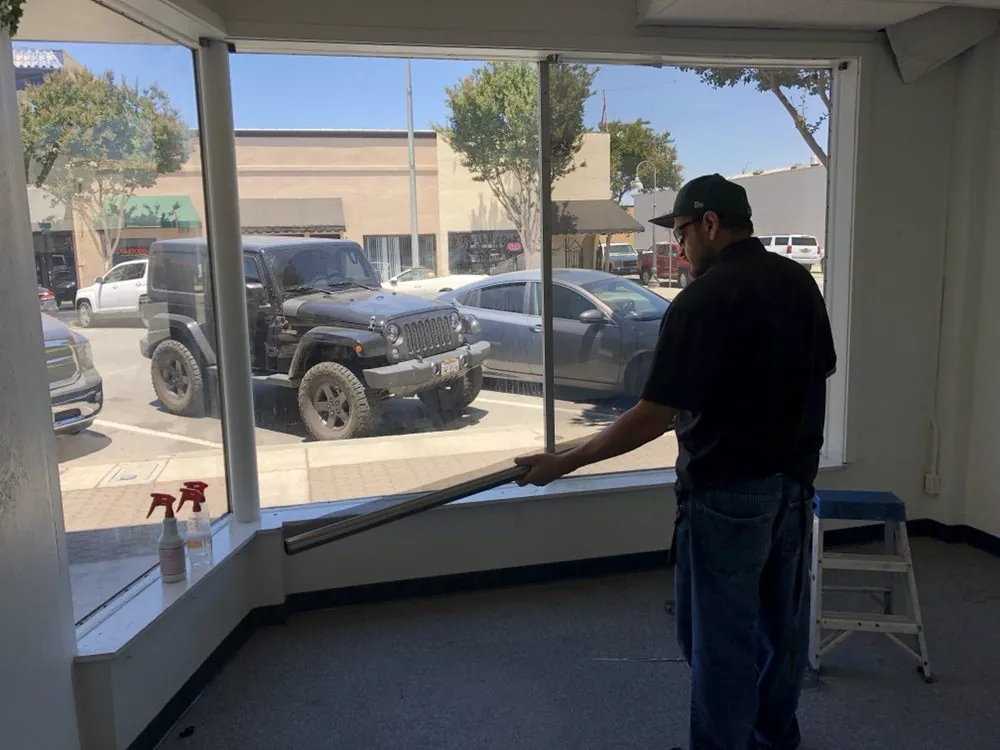
Complete guide to boat and marine vessel window tinting. Learn about UV protection, salt air resistance, and the best films for yachts and boats.
Your boat sees conditions that would destroy a car in weeks.
Constant UV bombardment. Salt spray. Humidity. Temperature swings.
Yet most boat owners overlook window tinting. Here's why that's a mistake—and what to do about it.
Why Boats Need Window Film
The UV Problem on Water
Water reflects UV rays upward. So while you're cruising the Bay, you're getting UV from above AND below.
The result:
- Faded upholstery and carpeting
- Cracked dashboards and helm stations
- Leather deterioration
- Electronic screen damage
Quality marine window film blocks 99% of UV rays from entering the cabin.
Heat on the Water
Glass windows turn cabins into ovens. Even with the water's cooling effect, enclosed spaces heat up fast:
- Sleeping quarters become unbearable
- Electronics overheat
- AC systems work overtime
- Gel coat near windows can soften
Ceramic window film rejects up to 60% of solar heat.
Glare and Visibility
Water glare is dangerous. It causes:
- Eye strain and fatigue
- Reduced visibility of other vessels
- Difficulty reading instruments
- Headaches on long cruises
Tinted windows reduce glare while maintaining visibility—especially important at the helm.
Marine Film vs. Automotive Film
Not all window film works on boats. Marine applications need:
Salt Resistance
Standard automotive film can degrade in salt air. Marine-grade films use corrosion-resistant materials designed for coastal and saltwater environments.
Adhesive Durability
Boats flex. Window film adhesive must handle:
- Hull movement
- Temperature cycling
- Humidity changes
- Constant vibration
Marine adhesives are formulated for these stresses.
UV Stability
UV exposure on water is 2-3x more intense than on land. Marine films include enhanced UV stabilizers to prevent premature degradation.
Best Films for Boats
For Cabins and Living Spaces
Recommendation: 3M Prestige or Ceramic IR series
- Maximum heat rejection
- Minimal reflectivity (won't look like mirrors)
- Excellent UV blocking
- Clear, non-dark appearance
For Helm/Bridge Areas
Recommendation: Lighter ceramic films (50-70% VLT)
- Maintains visibility
- Reduces glare without going too dark
- No interference with electronics
- Works with polarized sunglasses
For Sport Fishers and Cruisers
Recommendation: Darker ceramic tint (20-35% VLT) on rear windows
- Privacy for sleeping quarters
- Maximum heat rejection
- Reduce cabin heating
- Professional appearance
Installation Considerations
Curved Glass
Many boats have curved windows. Film installation requires:
- Custom pattern cutting
- Heat shrinking techniques
- Experience with compound curves
- Proper tools for marine work
Gasket Windows
Pop-out or gasket-mounted windows require extra care. We remove and reinstall when necessary for clean edges.
Tempered vs. Annealed Glass
Most boat glass is tempered. Film works well on both, but installation technique varies. We assess each window before installation.
What About Isinglass and Plastic Windows?
Soft enclosures and isinglass present different challenges:
- Standard film won't adhere properly
- Plastic can warp from heat
- Replacement is often better than tinting
For plastic windows, we can recommend marine-specific solutions or connect you with canvas shops for replacement panels with integrated tint.
Cost of Marine Window Tinting
Boat tinting costs depend on:
Small powerboats (under 25'):
- 4-6 windows: $400-$800
- Basic cabin: $600-$1,200
Cruisers and sailboats (25-40'):
- Full cabin: $1,200-$2,500
- Helm and salon: $800-$1,500
Yachts (40'+):
- Custom quotes required
- Typically $2,500-$6,000+
- Multi-day installations common
Maintenance on the Water
Marine film lasts 5-10 years with proper care:
Do:
- Clean with marine-safe glass cleaner
- Use soft cloths only
- Rinse salt spray promptly
- Keep covered when possible
Don't:
- Use ammonia-based cleaners
- Scrub with abrasive materials
- Let salt deposits accumulate
- Use pressure washers directly on film edges
RVs and Recreational Vehicles
The same principles apply to RVs, trailers, and motorhomes:
- Living area windows benefit from heat rejection
- Driver's area needs glare reduction
- UV protection preserves interior materials
- Privacy for sleeping areas
We regularly tint RVs and can recommend appropriate film for your specific application.
Getting Your Boat Tinted
Unlike cars, boats often require on-site work or transport arrangements:
Option 1: Trailer to Our Shop If your boat is trailerable, bring it to our climate-controlled facility for the cleanest installation.
Option 2: Marina Consultation For larger vessels, we can assess at the marina and discuss options. Some installations can be done dockside.
Option 3: Yard Installation During haul-out for maintenance, window tinting can be added to the work list.
Ready to Protect Your Boat?
Give us a call to discuss your vessel:
📞 Call 408-848-8468 — describe your boat
💬 Send photos via contact form — we'll provide a custom quote
We've been protecting vehicles since 1993—boats included.
Related Content
- For Your Truck: Commercial Vehicle Tinting
- For Your Home: Residential Window Tinting
- UV Protection: Can UV Rays Go Through Windows?
33+ years
The team at Blackout Window Tinting has been serving the Bay Area since 1993, providing premium window tinting and vehicle protection services.
Window TintingPPFCeramic CoatingVehicle Wraps