Window Tinting
Window Tint Lifespan: Complete Film Durability Guide by Type

Blackout Team· Window Tinting Experts
·Updated ·12 min read
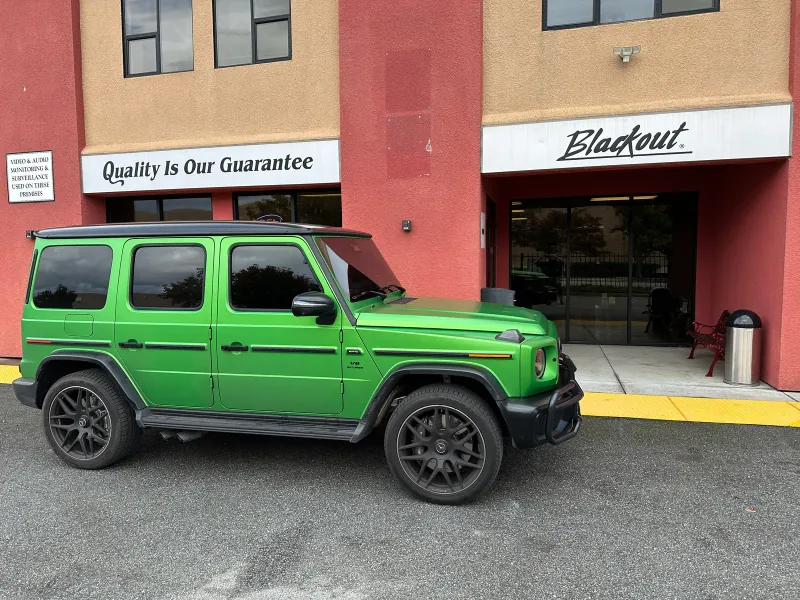
How long does window tint last? Comprehensive guide covering lifespan by film type, failure signs, factors that shorten life, maintenance tips, and warranty considerations for Bay Area drivers.
"How long will my window tint last?" It's the most common question we hear, and the answer varies dramatically—from as short as 2 years to over 20 years—depending on film quality, installation, and maintenance.
At Blackout Window Tinting, we've installed window tint since 1993, watching technology evolve from basic dyed films to today's advanced ceramics. This comprehensive guide breaks down exactly what affects tint lifespan and how to maximize your investment.
Window Tint Lifespan by Film Type
The Complete Breakdown
| Film Type | Expected Lifespan | Typical Warranty | Heat Rejection | Price Range |
|---|---|---|---|---|
| Dyed Film | 2-5 years | 1-3 years | Low (25-35%) | $ |
| Dyed/Metalized Hybrid | 4-7 years | 3-5 years | Moderate (35-45%) | $$ |
| Metallic Film | 5-10 years | Lifetime | Moderate (40-50%) | $$ |
| Carbon Film | 10-15 years | Lifetime | Good (50-60%) | $$$ |
| Ceramic Film | 15-20+ years | Lifetime | Excellent (50-70%) | $$$$ |
| Crystalline/IR Film | 15-20+ years | Lifetime | Maximum (60-97%) | $$$$$ |
Understanding Each Film Type
Dyed Film (Entry Level)
What it is: Polyester film with dye layer that absorbs light.
Why it fails:
- Dye molecules break down under UV exposure
- Heat absorption accelerates degradation
- Color fades from black to purple/brown
- Adhesive often fails before film does
Typical failure timeline:
- Year 1-2: Performance still acceptable
- Year 2-3: Noticeable fading begins
- Year 3-4: Significant discoloration
- Year 5+: Bubbling, peeling, severe fading
Bay Area experience: We see dyed film failing in 2-3 years in areas with high sun exposure (Gilroy, South County) versus 4-5 years in foggy coastal areas.
Best use case: Budget applications, short-term ownership, minimal heat rejection needs.
Metallic Film (Mid-Range)
What it is: Film with metal particles that reflect heat and light.
Advantages:
- Metallic content doesn't fade like dye
- Good heat rejection through reflection
- Typically longer lifespan than dyed
- More stable color over time
Disadvantages:
- Metal interferes with signals (phone, GPS, toll transponders)
- Distinctive shiny/reflective appearance
- Can appear hazy over time
Signal interference note: This is the main reason metallic films have fallen out of favor. Modern drivers with multiple connected devices can't tolerate the interference.
Carbon Film (Premium)
What it is: Film containing carbon particles that block heat without metal.
Why it lasts:
- Carbon doesn't fade or break down
- No metal to degrade or cause issues
- Matte finish resists scratching
- Excellent UV rejection preserves adhesive
Typical lifespan: 10-15 years with proper care, often backed by lifetime warranty.
Best use case: Good balance of performance, longevity, and price. Excellent for daily drivers.
Ceramic Film (Top Tier)
What it is: Film with nano-ceramic particles that block IR (heat) radiation.
Why it excels:
- Ceramic particles are completely inert
- No fading, discoloration, or degradation
- Maximum heat rejection in any shade
- Crystal clear—no haze or distortion
- Zero signal interference
Premium brands: LLumar CTX/IRX, 3M Ceramic IR, XPEL XR, SunTek CXP
Typical lifespan: 15-20+ years. We've seen properly installed ceramic tint last the life of the vehicle.
Investment perspective: Ceramic costs roughly 2x carbon film but lasts 2x as long with superior performance throughout. Cost per year is actually lower.
Why Tint Fails: The Technical Explanation
UV Degradation (Primary Cause)
The process:
- UV radiation hits film surface
- Photons transfer energy to molecular bonds
- Bonds break, releasing dye molecules (in dyed films)
- Material structure weakens
- Color shifts, clarity decreases
- Film becomes brittle
Why ceramic resists:
- Ceramic particles don't have breakable bonds
- No dye to release
- Structure remains stable indefinitely
- UV actually blocked rather than absorbed
Adhesive Failure
Common causes:
- Improper surface preparation during installation
- Using wrong adhesive for climate
- Window contamination (dirt, oils) trapped under film
- Excessive heat degrading adhesive bond
Signs of adhesive failure:
- Bubbling (air or moisture trapped)
- Peeling from edges
- Haziness (moisture in adhesive layer)
- Film sliding or shifting
Why quality matters: Professional installation includes thorough glass preparation and appropriate adhesive for conditions. Skip steps, and adhesive fails regardless of film quality.
Heat Damage
The cycle:
- Darker films absorb more heat
- Absorbed heat transfers to adhesive
- Hot adhesive softens
- Repeated cycling degrades material
- Eventually causes bubbling or release
Ceramic's advantage: Ceramic rejects heat rather than absorbing it, reducing heat cycling's impact on adhesive and film structure.
Mechanical Damage
Common causes:
- Improper cleaning (abrasive materials)
- Rolling windows before cure complete
- Pet claws inside vehicle
- Cargo loading/unloading damage
- Accidents or vandalism
Prevention: Follow cure time instructions, use appropriate cleaning materials, be aware of film edges.
Signs Your Tint Needs Replacement
Immediate Replacement Indicators
Bubbling or blistering:
- Air or moisture trapped under film
- Indicates adhesive failure
- Will only get worse
- Cannot be repaired—must be replaced
Purple or brown discoloration:
- Sign of dye degradation
- Cheap dyed film specific
- Affects appearance significantly
- Film no longer performing
Peeling at edges:
- Adhesive failure starting at edges
- Often progresses quickly
- Edges most vulnerable to moisture
- Remove before water damage occurs
Visible tears or scratches:
- Physical film damage
- Can't be repaired
- May allow UV through
- Replace damaged panels
"Consider Replacement" Indicators
Noticeable fading:
- Color lighter than originally installed
- May not match other windows
- Heat rejection likely compromised
- Aesthetic issue even if functional
Reduced heat rejection:
- Car hot despite tint
- Noticeable compared to when new
- Test: feel through window on sunny day
- Film may look fine but perform poorly
Hazy or cloudy appearance:
- Often moisture in adhesive layer
- Reduces clarity and visibility
- May indicate impending failure
- Affects aesthetics significantly
Cracking or brittleness:
- Film becomes rigid over time
- Cracks when stressed
- Sign of advanced degradation
- Replace before complete failure
Factors That Affect Tint Lifespan
Environmental Factors
Sun exposure (biggest factor):
- West-facing parking degrades faster
- Outdoor parking vs. garage
- Altitude (higher = more UV)
- Latitude (closer to equator = more UV)
Bay Area geography:
- South County (Gilroy, Morgan Hill): High sun exposure
- Coastal (Half Moon Bay, Santa Cruz): Fog provides UV protection
- South Bay (San Jose): Moderate exposure
Temperature extremes:
- Hot summers accelerate degradation
- Temperature cycling stresses materials
- Bay Area generally mild—favorable for tint longevity
Humidity and moisture:
- Can affect adhesive integrity
- Coastal areas higher risk
- Proper installation mitigates risk
Installation Quality Factors
Surface preparation:
- All contamination must be removed
- Window must be perfectly clean
- Any debris trapped under film causes failure
- This step is often rushed by inexperienced installers
Edge sealing:
- Proper tuck into door seals
- No gaps at edges
- Prevents moisture intrusion
- Prevents peeling initiation
Cure time respect:
- Windows should not be rolled down for 3-5 days
- Allows adhesive to fully bond
- Premature rolling causes edge peeling
- Many failures trace to ignored cure time
Film handling:
- Touching adhesive contaminates it
- Dust in shop environment
- Proper technique prevents contamination
- Reason for controlled installation environment
Maintenance Factors
Cleaning products:
- Ammonia damages tint over time
- Avoid household glass cleaners
- Use ammonia-free automotive products
- Harsh chemicals degrade film
Cleaning technique:
- Soft microfiber only
- No abrasive pads or papers
- Gentle pressure
- Pay attention to edges
Timing:
- Keep windows clean
- Contamination can etch into film
- Address issues promptly
Maximizing Your Tint Investment
Before Installation
Choose quality film:
- Carbon or ceramic for longevity
- Reputable brands (LLumar, 3M, XPEL, SunTek)
- Lifetime warranty indicates manufacturer confidence
- Pay more upfront, save over time
Choose quality installer:
- Specialized shops (not general auto shops)
- Trained and certified installers
- Clean, dedicated installation environment
- Strong reviews and reputation
Consider your situation:
- Garage parking? Budget film may last acceptably
- Outdoor parking? Invest in ceramic
- Long-term ownership? Calculate cost per year, not upfront cost
During Installation
Watch the process (if allowed):
- Is glass thoroughly cleaned?
- Is environment clean and controlled?
- Is installer taking time?
- Does work look meticulous?
Ask questions:
- What's the cure time?
- What can't I do during cure period?
- What cleaning products should I use?
- What's covered under warranty?
After Installation
Follow cure instructions:
- Don't roll windows for recommended period (typically 3-5 days)
- Park in shade during cure if possible
- Don't touch film surface
- Small bubbles are normal—they disappear during cure
Proper cleaning:
- Wait 30 days before first cleaning
- Ammonia-free products only
- Soft microfiber towels
- Gentle technique
Long-term maintenance:
- Clean regularly (monthly minimum)
- Address contamination promptly
- Inspect periodically for damage
- Service under warranty if needed
The Value Equation: Cost Over Time
5-Year Comparison
Scenario: Full car tint, outdoor parking
Budget dyed film path:
- Initial installation: $150
- Replacement at year 3: $150
- Replacement at year 5: $150
- Total cost: $450
- Total changes: 3
Carbon film path:
- Initial installation: $350
- No replacement needed
- Total cost: $350
- Total changes: 1
Ceramic film path:
- Initial installation: $500
- No replacement needed
- Total cost: $500
- Total changes: 1
Winner: Carbon provides best value in this scenario. Ceramic justified if heat rejection is priority.
15-Year Comparison
Budget dyed film path:
- 5 replacements at $150 each: $750
- Time/hassle of 5 installations
Carbon film path:
- Initial: $350
- One replacement at year 12: $350
- Total: $700
Ceramic film path:
- Initial: $500
- No replacement needed
- Total: $500
Winner: Ceramic clearly wins over long term.
Frequently Asked Questions
Can window tint be repaired, or does it always need full replacement?
Window film cannot typically be repaired. Unlike PPF, tint doesn't self-heal, and patching creates visible seams and adhesive inconsistencies. Damaged panels need complete replacement. The good news: single panel replacement is affordable ($75-$150 per window typically).
Why did my friend's cheap tint last 7+ years while mine failed in 3?
Multiple factors: garage parking vs. outdoor, geographic location, specific windows affected, and luck. Film quality sets maximum potential; conditions determine actual lifespan. Your friend's garage parking might explain everything. Also, "lasting" and "performing well" aren't the same—many people tolerate faded, poorly-performing tint longer than they should.
Can I remove old tint and install new myself?
Technically possible, but not recommended. Removal requires proper technique to avoid glass scratching. Installation without training typically results in bubbles, contamination, and early failure. The cost of professional installation includes the guarantee that it's done right.
How do I know if my installer used quality film?
Ask for the brand and product name before installation. Research it. Reputable installers are transparent about materials. After installation, you should receive warranty documentation with brand name. If installer is vague about products, that's a red flag.
Does ceramic tint justify 2x the cost of carbon?
Depends on your priorities. Ceramic's advantages: higher IR rejection (cooler interior), no signal interference (important if you use toll transponders, GPS, phones heavily), slightly longer lifespan, and maximum clarity. If heat rejection is important, ceramic is worth it. For pure appearance/UV protection, carbon is excellent value.
Will rolling my windows before cure time is complete ruin my tint?
Possibly. The adhesive needs time to fully bond. Rolling windows before cure can create edge peeling that progresses over time. It might not fail immediately but often causes problems later. Waiting the full cure period (typically 3-5 days) is simple insurance.
My car has factory tint—can it fail too?
Factory "tint" on rear windows is usually dyed glass, not applied film. It doesn't fail the same way—no bubbling or peeling possible. However, factory tint provides minimal heat rejection (it's mostly aesthetic). Many owners add ceramic film over factory tint for actual heat blocking.
What warranty should I expect from quality tint?
Reputable shops offer lifetime warranty on premium films (carbon and ceramic). This should cover bubbling, peeling, cracking, and fading. It typically doesn't cover physical damage (scratches, tears) or improper maintenance. Make sure you receive warranty documentation with clear terms.
Get Quality Tint That Lasts
Stop replacing cheap tint every few years. Our ceramic film installations come with lifetime warranty and typical 15-20+ year lifespan.
📞 Get a tint quote: 408-848-8468
📍 Visit us: 610 Holloway Road, Gilroy
📝 Request consultation: Contact us online
Visit the Experts in Gilroy
Blackout Window Tinting is the Bay Area's premier choice for premium auto protection. Based in Gilroy at 610 Holloway Rd (behind Target), we've served the South County and Silicon Valley area for over three decades. Whether you're coming from Morgan Hill, Hollister, or anywhere else in the Bay Area, we're your trusted local source for professional window tint, PPF, and ceramic coating.
📞 Questions? Call us at 408-848-8468 or get a free quote online.
Learn more: Window Tinting Services →
33+ years
The team at Blackout Window Tinting has been serving the Bay Area since 1993, providing premium window tinting and vehicle protection services.
Window TintingPPFCeramic CoatingVehicle Wraps


