Local Services
How Long After Windshield Replacement Before Driving?

Blackout Team· Window Tinting Experts
·5 min read
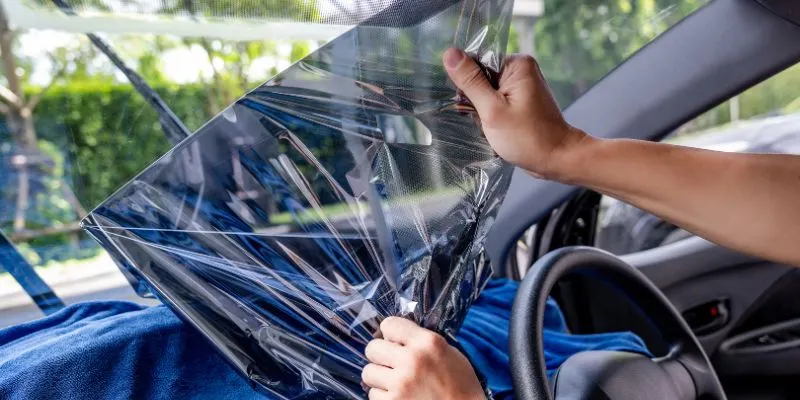
Don't drive immediately after windshield replacement. Learn safe drive-away times, what affects curing, and why rushing risks your safety.
Your windshield replacement is done. The glass looks perfect. But the technician says you can't drive yet.
Why the wait—and how long is really necessary?
The Short Answer
| Adhesive Type | Minimum Wait | Optimal Wait |
|---|---|---|
| Standard urethane | 1 hour | 4-6 hours |
| Fast-cure urethane | 30-45 minutes | 2-3 hours |
| Premium same-day | 30 minutes | 1-2 hours |
The safe rule: Follow your installer's specific guidance. They know which adhesive they used and current conditions.
Why Wait Time Matters
Your windshield isn't just glass—it's a structural safety component.
Structural Role
The windshield provides:
- 30-45% of roof strength in a rollover
- Proper airbag deployment support
- Cabin integrity in front impacts
- Protection from ejection during accidents
If the adhesive hasn't cured:
- Glass may separate in an accident
- Roof strength is compromised
- Airbag may not deploy correctly
- You could be ejected through the opening
How Adhesive Cures
Modern urethane adhesives undergo two curing phases:
Initial cure (SDAT - Safe Drive-Away Time):
- Adhesive develops enough strength to hold glass under normal driving
- Typically 30 minutes to 1 hour minimum
- Allows gentle, normal driving
Full cure (24-72 hours):
- Complete chemical bonding
- Maximum strength achieved
- Full safety protection restored
What Affects Cure Time
1. Temperature
| Temperature | Effect on Cure Time |
|---|---|
| Below 40°F | Significantly slower (may double) |
| 40-70°F | Normal cure time |
| 70-90°F | Slightly faster |
| Above 90°F | Fastest cure (careful of flash curing) |
Bay Area advantage: Our moderate climate typically allows standard cure times year-round.
2. Humidity
- High humidity: Can slow some adhesives
- Low humidity: May cause too-fast surface curing
- Optimal: 40-60% relative humidity
3. Adhesive Quality
Not all urethane is equal:
Premium adhesives (what we use):
- Faster SDAT times
- Higher ultimate strength
- Better temperature tolerance
- Consistent results
Budget adhesives:
- Longer cure requirements
- Variable performance
- More temperature-sensitive
- May require longer wait
4. Application Technique
Proper application matters:
- Clean, primed surfaces bond faster
- Correct bead size ensures proper curing
- Temperature-matched adhesive performs as expected
- Air pockets or contamination slow bonding
What "Safe Drive-Away Time" Really Means
SDAT isn't "fully cured." It means:
✅ Glass is bonded enough for normal driving ✅ Expected stresses won't cause separation ✅ You can operate the vehicle safely
It doesn't mean:
❌ Full strength has been achieved ❌ You can pressure wash or use car washes ❌ Extreme driving is safe ❌ Impact resistance is at maximum
First 24-48 Hours: Best Practices
Even after SDAT, treat your new windshield carefully:
Do:
- Drive gently — Avoid hard acceleration, harsh braking
- Close doors gently — Slamming creates pressure waves
- Keep a window cracked — Reduces cabin pressure changes
- Avoid car washes — High-pressure water can break seal
- Park in shade — Extreme heat can affect cure
Don't:
- ❌ Slam doors forcefully
- ❌ Leave windows fully closed in hot sun
- ❌ Go through automatic car wash
- ❌ Pressure wash near windshield edges
- ❌ Drive aggressively on rough roads
Red Flags: Shops That Rush
Be wary if a shop says:
"You can drive immediately."
- Either using inferior adhesive
- Or prioritizing speed over safety
- 30 minutes is the absolute minimum with best products
"We use special instant-cure adhesive."
- There's no truly instant-cure urethane
- Fast-cure still needs 30+ minutes
- "Instant" claims are marketing, not chemistry
"Just don't slam the doors."
- If that's their only guidance, they're cutting corners
- Proper cure time + careful handling = optimal result
What We Tell Our Customers
At Blackout, we use premium urethane adhesives and give you specific, honest guidance:
Our standard process:
- Complete installation
- Verify seal and positioning
- Provide specific SDAT based on conditions
- Explain first-48-hours precautions
- Send you home with written care instructions
Typical guidance:
- Summer: 30-45 minute SDAT minimum
- Winter/cool days: 1 hour SDAT minimum
- ADAS calibration: Adds time but glass cures during process
After ADAS Calibration
If your vehicle needs camera calibration:
- Calibration takes 30-60 minutes
- Glass continues curing during calibration
- You can usually drive immediately after calibration
- The wait time "counts" during the process
This is one advantage of on-site calibration—your cure time happens while we calibrate, so there's no separate waiting.
Learn about ADAS calibration →
When to Contact Your Shop
Call back if you notice:
- Wind noise that wasn't there before
- Water leaks at windshield edge
- Visible gap between glass and frame
- Creaking sounds when driving over bumps
- Adhesive smell persisting after 48 hours
These could indicate incomplete bonding that needs correction.
Our Installation Guarantee
We stand behind our work:
✅ Premium urethane adhesives always ✅ Clear SDAT guidance for conditions ✅ Written care instructions provided ✅ Lifetime warranty on installation ✅ Free recheck if you have concerns
Learn more: Auto Glass Services — windshield replacement and calibration.
Visit the Experts in Gilroy
Blackout Window Tinting is the Bay Area's premier choice for premium auto protection. Based in Gilroy at 610 Holloway Rd (behind Target), we've served the South County and Silicon Valley area for over three decades. Whether you're coming from Morgan Hill, Hollister, or anywhere else in the Bay Area, we're your trusted local source for professional window tint, PPF, and ceramic coating.
📞 Questions? Call us at 408-848-8468 or get a free quote online.
Related Articles
- Windshield Replacement Cost Bay Area 2026
- ADAS Calibration Cost Guide 2026
- OEM vs Aftermarket Windshield
33+ years
The team at Blackout Window Tinting has been serving the Bay Area since 1993, providing premium window tinting and vehicle protection services.
Window TintingPPFCeramic CoatingVehicle Wraps


