Window Tinting
House Window Tinting: Complete Home Guide

Blackout Team· Window Tinting Experts
·Updated ·9 min read

Should you tint your house windows? Complete guide covering costs, film types, energy savings, and privacy options. Bay Area home window tinting explained.
Should You Tint Your House Windows?
Short answer: Yes, if you have sun-facing windows causing heat, glare, furniture fading, or privacy concerns.
Longer answer: House window tinting blocks 50-97% of solar heat, 99.9% of UV rays, and can reduce your cooling bills by 30% or more. Keep reading for the complete breakdown.
House Window Tinting Benefits
1. Lower Energy Bills
Window film blocks solar heat before it enters your home, reducing AC workload significantly.
| Film Type | Heat Rejection | Energy Savings |
|---|---|---|
| Basic tint | 30-40% | 10-15% |
| Ceramic film | 50-70% | 15-25% |
| Premium (3M Prestige) | Up to 97% | 25-35% |
A typical 2,000 sq ft Bay Area home with significant south-facing windows can save $200-500 annually on cooling costs.
2. UV Protection (99.9%)
UV rays fade and damage:
- Hardwood floors
- Furniture and upholstery
- Artwork and photographs
- Carpet and rugs
- Drapes and curtains
Window film blocks 99.9% of UV rays, preserving your interior investment. This protection alone can save thousands in replacement costs over time.
3. Glare Reduction
| Location | Glare Problem | Film Solution |
|---|---|---|
| Living room | TV washout | 30-50% VLT film |
| Home office | Screen glare | 40-60% VLT film |
| Kitchen | Morning sun | 50-70% VLT film |
| Bedroom | Early wake-up | 20-40% VLT film |
VLT = Visible Light Transmission. Lower number = darker film.
4. Privacy Options
| Film Type | Daytime Privacy | Nighttime Privacy | Light Transmission |
|---|---|---|---|
| Reflective | Yes | No | 15-35% |
| Neutral ceramic | Partial | No | 35-70% |
| Frosted/etched | Yes | Yes | 50-80% (diffused) |
| Blackout | Yes | Yes | 0% |
Important: Standard reflective and tinted films provide daytime privacy only. At night with interior lights on, people can see in. For 24/7 privacy, choose frosted, etched, or blackout film.
5. Safety and Security
Security window film holds shattered glass together, providing protection against:
- Break-in attempts (slows entry by 30+ seconds)
- Earthquake damage
- Accidental impacts
- Storm debris
House Window Tinting Cost
Price Per Square Foot
| Film Quality | Cost/sq ft | Best For |
|---|---|---|
| Basic tint | $6-8 | Budget, basic UV protection |
| Mid-range | $8-12 | Good heat rejection, privacy |
| Premium ceramic | $12-16 | Maximum heat rejection |
| 3M Prestige | $14-18 | Best-in-class, signal-friendly |
| Security film | $10-18 | Shatter protection |
| Frosted/decorative | $10-15 | Privacy, aesthetics |
Typical Project Costs
| Home Size | Windows | Estimated Cost |
|---|---|---|
| Condo/apartment | 5-10 windows | $800-1,500 |
| Small home | 10-15 windows | $1,200-2,500 |
| Medium home | 15-25 windows | $2,000-4,000 |
| Large home | 25-40 windows | $3,500-6,500 |
Actual costs depend on window size, accessibility, and film selection.
What's Included
Professional installation typically includes:
- On-site consultation and measurement
- Film quality matched to your glass type
- Professional installation with no bubbles
- Edge-to-edge coverage
- Cleanup and inspection
- Manufacturer warranty registration
Best Rooms for House Window Tinting
Priority 1: South and West-Facing Rooms
These receive the most direct sun and heat. Tinting here provides the fastest energy savings return.
Priority 2: Home Office
Screen glare from windows kills productivity. A single $200-400 window treatment can eliminate eye strain and headaches.
Priority 3: Living Room
TV glare and afternoon sun make these rooms uncomfortable. Privacy film is popular for street-facing living rooms.
Priority 4: Bedrooms
Light control for better sleep. Consider blackout or dark films for optimal sleep quality.
Priority 5: Bathrooms
Frosted film provides permanent privacy while allowing natural light. Better than blinds that trap moisture.
Types of House Window Film
Heat Rejection Film
Best for: Rooms that overheat, reducing AC costs
| Brand | Heat Rejection | Signal-Safe | Warranty |
|---|---|---|---|
| 3M Prestige | Up to 97% | Yes | Lifetime |
| LLumar Vista | Up to 77% | Yes | Lifetime |
| SunTek CXP | Up to 73% | Yes | Lifetime |
Privacy Film
Best for: Street-facing windows, bathrooms, bedrooms
Options include:
- Reflective: Mirror finish during day (not night)
- Frosted: Diffused light, full privacy
- One-way mirror: Privacy during day
- Patterned: Decorative privacy
Security Film
Best for: Ground floor windows, earthquake zones, storefronts
Thickness options:
- 4 mil: Basic protection
- 8 mil: Standard security
- 12-14 mil: Maximum protection
Decorative Film
Best for: Adding style, branding, architectural interest
Options include:
- Etched glass look
- Geometric patterns
- Custom designs
- Gradient films
House Window Tinting vs. Replacement Windows
| Factor | Window Film | New Windows |
|---|---|---|
| Cost | $1,500-4,000 | $10,000-30,000+ |
| Timeline | 1-2 days | 2-4 weeks |
| Energy savings | 15-35% | 25-40% |
| UV protection | 99.9% | 75-95% |
| Disruption | Minimal | Significant |
| ROI timeline | 3-5 years | 10-15 years |
Bottom line: Window film delivers 80% of the energy benefits at 10-15% of the cost.
Installation Process
1. Consultation (Free)
We visit your home to:
- Measure windows
- Assess glass types (important for dual-pane compatibility)
- Discuss goals (heat, privacy, UV, aesthetics)
- Provide samples to view in your space
- Deliver written quote
2. Preparation
- Windows cleaned inside and out
- Trim protected
- Furniture moved as needed
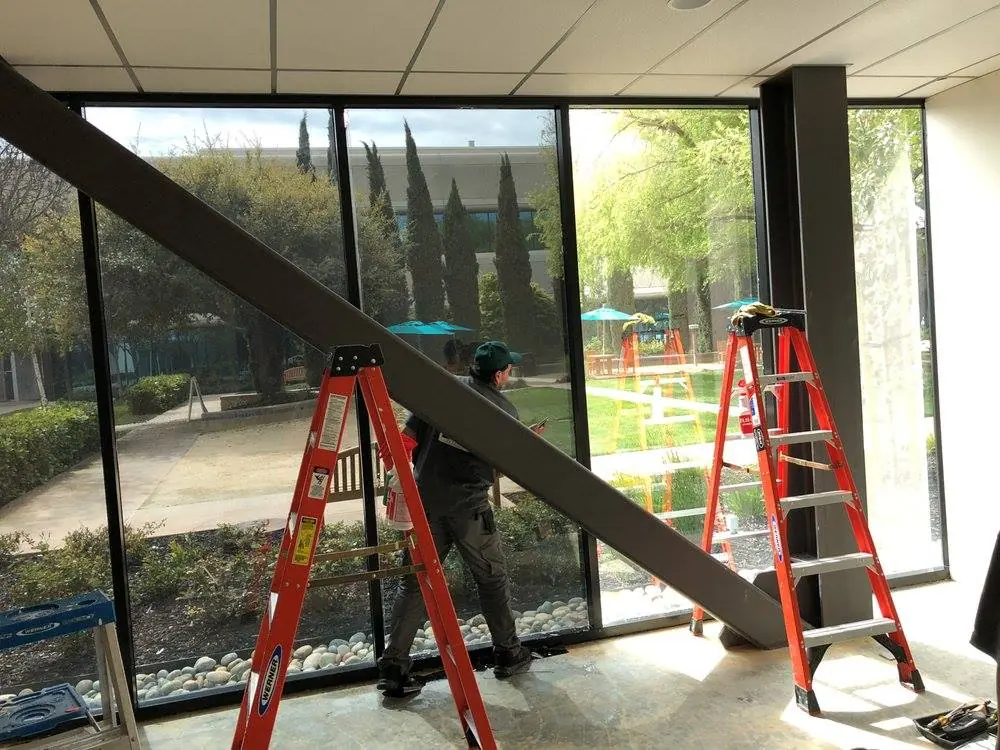
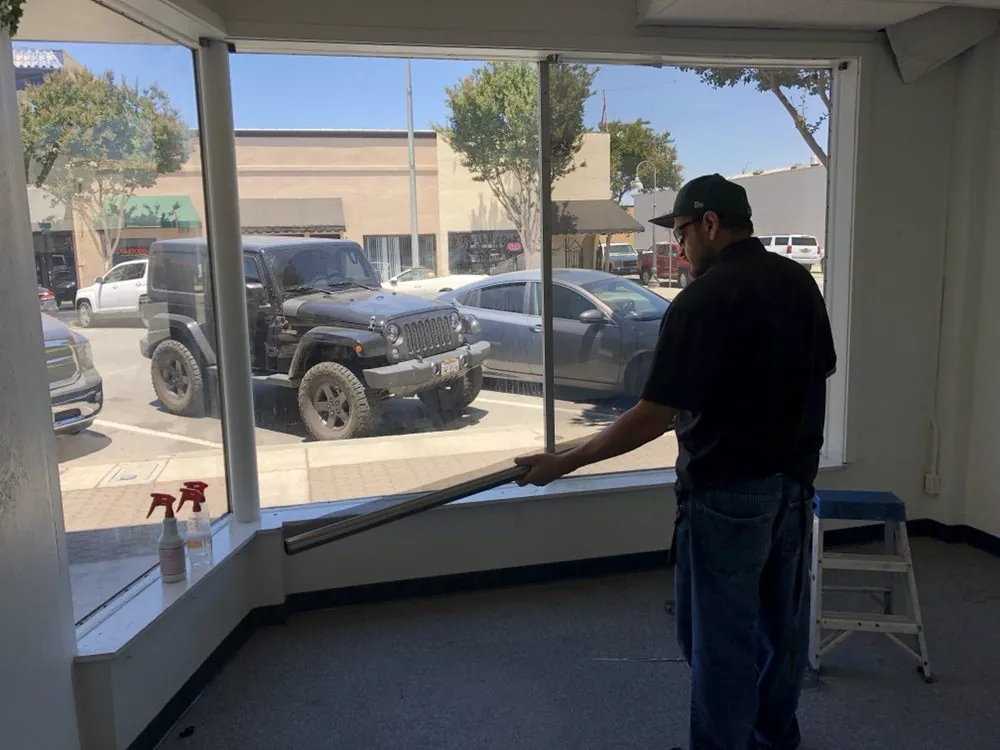
3. Installation (1-2 Days)
- Film cut to exact window dimensions
- Slip solution applied
- Film positioned precisely
- Water and bubbles squeegeed out
- Edges sealed
4. Cure Time
- Film may appear hazy initially (normal)
- Full cure: 30-60 days depending on weather
- Avoid cleaning for 30 days
Frequently Asked Questions
Does house window tinting void window warranties?
When properly installed with compatible film, no. We assess your windows before installation to ensure the film won't cause thermal stress. Most major window manufacturers (Milgard, Anderson, Pella) allow window film that meets their specifications.
How long does house window tinting last?
Quality residential window film lasts 15-25 years or more. Our 3M and LLumar films include lifetime residential warranties covering bubbling, peeling, and discoloration.
Can you remove window tint later?
Yes. Professional removal takes 30-60 minutes per window and leaves no residue. This is useful if you sell the home or want to change films.
Does window film affect house plants?
Plants generally adapt well. The film blocks UV (which plants don't need) while transmitting light for photosynthesis. Very light-sensitive plants may need relocation closer to untinted windows.
Will window film make my house look dark inside?
Not necessarily. Premium films like 3M Prestige block heat while transmitting 40-70% of visible light. You can choose lighter films that are nearly invisible from inside.
Can I tint just some windows?
Absolutely. Many homeowners start with the worst sun-facing windows to maximize ROI, then add more later. We provide prioritization recommendations during consultation.
Get Your House Windows Tinted
We provide free in-home consultations for Bay Area homeowners. We bring samples so you can see exactly how each film performs in your space.
What to expect:
- 30-minute consultation
- Film samples to view in your windows
- Written quote (no pressure)
- Scheduling within 1-2 weeks typically
📞 Call (408) 848-8468 for free consultation
📍 Serving Gilroy, Morgan Hill, San Jose, and the Bay Area
Visit the Experts in Gilroy
Blackout Window Tinting is the Bay Area's premier choice for premium auto protection. Based in Gilroy at 610 Holloway Rd (behind Target), we've served the South County and Silicon Valley area for over 30 years. Whether you're coming from Morgan Hill, Hollister, or anywhere else in the Bay Area, we're your trusted local source for professional window tint, PPF, and ceramic coating.
📞 Questions? Call us at 408-848-8468 or get a free quote online.
Related Resources
- Residential Window Tinting Services
- Privacy Window Film Benefits
- Home Office Window Tinting
- Turf Protection Window Film
31+ years
The team at Blackout Window Tinting has been serving the Bay Area since 1993, providing premium window tinting and vehicle protection services.
Window TintingPPFCeramic CoatingVehicle Wraps