Window Tinting
EV Window Tinting: Better Battery Efficiency

Blackout Team· Window Tinting Experts
·8 min read
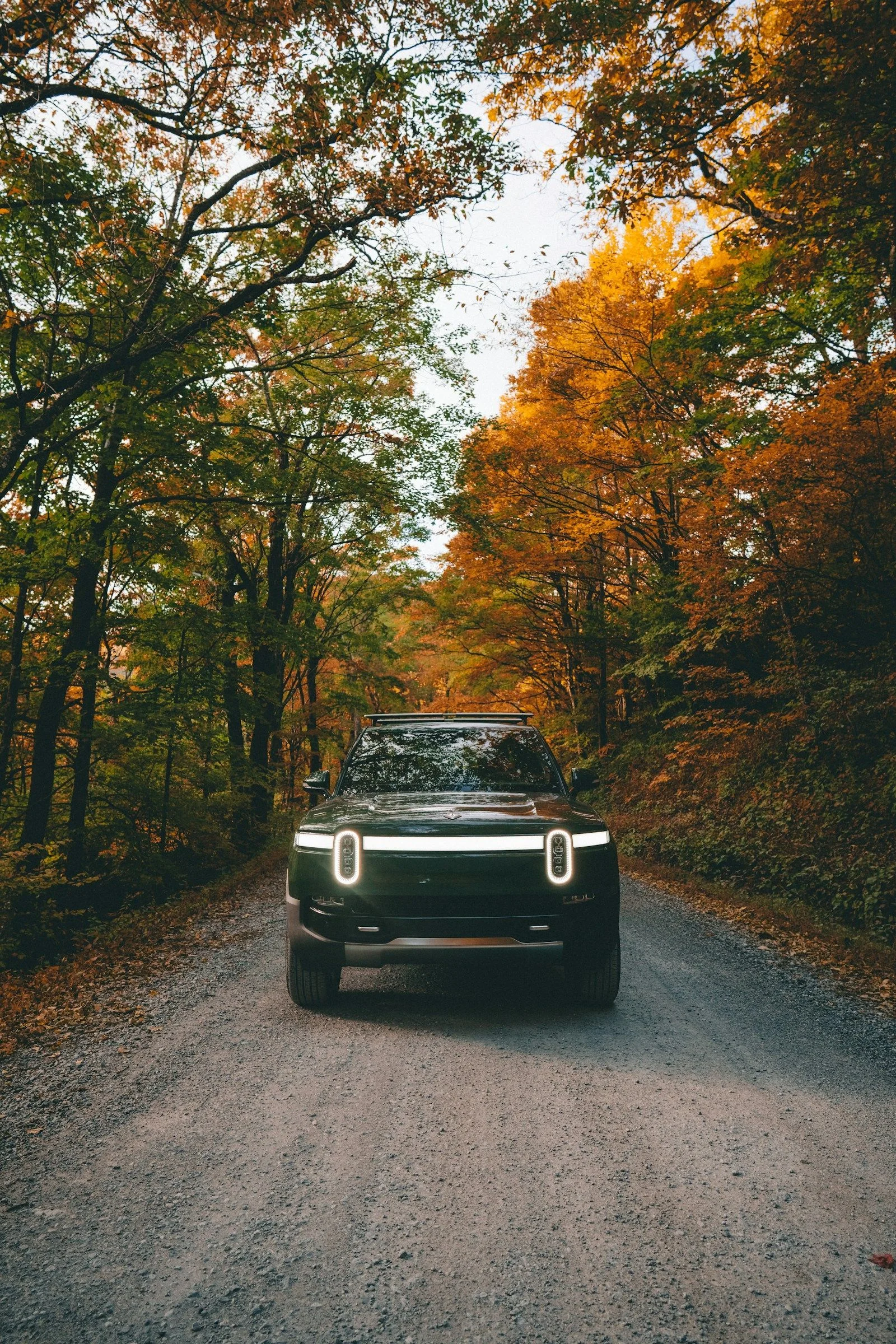
Can window tinting extend EV battery range? Yes—by reducing AC load up to 30%. Complete guide for Tesla, Rivian, and electric vehicle owners in the Bay Area.
Electric vehicles changed everything—except one problem: heat still drains your battery.
Every EV owner knows it. Your Tesla shows 280 miles of range in the morning, but after sitting in a hot parking lot all day, the AC blasts on full and that number drops fast.
Window tinting is one of the most effective ways to preserve EV battery range. Here's the science, the numbers, and why every serious EV owner should consider it.
How Heat Affects EV Battery Range
The Cabin Cooling Problem
Electric vehicles use the same battery for everything—driving AND climate control. When your cabin heats up:
- AC compressor draws 2-5 kW continuously
- Pre-conditioning uses battery before you even start driving
- Cabin overheat protection runs when parked (Tesla, Rivian)
- Battery cooling kicks in if cells get too warm
All of this reduces range. On hot days, you can lose 10-15% of your total range just to cooling.
Real-World Range Impact
| Scenario | Estimated Range Loss |
|---|---|
| 70°F exterior, no AC | Baseline |
| 90°F exterior, AC on medium | -8-12% range |
| 100°F+ exterior, AC on max | -15-20% range |
| Parked in sun, pre-conditioning | -2-5% before driving |
For a 300-mile EV, that's 30-60 miles of range lost to heat management on hot days.
How Window Tinting Helps
Heat Rejection at the Glass
Quality window tinting blocks solar heat before it enters your cabin:
| Film Type | Heat Rejection | Best For |
|---|---|---|
| Ceramic tint (premium) | Up to 70% | Maximum efficiency |
| Nano-ceramic | Up to 65% | Balance of cost/performance |
| Carbon tint | Up to 50% | Budget-friendly option |
| Dyed tint | Up to 35% | Appearance only |
For EVs, ceramic films are worth the investment. The heat rejection directly translates to battery savings.
The Efficiency Math
Let's do the numbers for a typical Tesla Model 3:
Without tint (parked in sun):
- Cabin reaches 150°F+
- AC runs at max (4 kW) for 30+ minutes to cool down
- Battery drain: 2+ kWh just to cool cabin
- Range impact: -8-10 miles
With ceramic tint (parked in sun):
- Cabin stays under 110°F
- AC runs at moderate level (1.5 kW) for 10 minutes
- Battery drain: ~0.25 kWh to normalize cabin
- Range savings: 6-8 miles per cool-down cycle
Over a year: If you cool your car from hot 200+ times annually, that's 1,200-1,600 miles of range saved.
Tesla-Specific Considerations
Glass Roof Challenges
Tesla's panoramic glass roofs are stunning—and notorious for heat gain. The factory "UV coating" blocks some UV but minimal infrared heat.
| Tesla Model | Roof Glass Area | Tinting Priority |
|---|---|---|
| Model 3 | Large glass roof | High |
| Model Y | Largest glass roof | Highest |
| Model S | Glass roof option | High (if equipped) |
| Model X | Falcon wing glass | Moderate (factory has more tint) |
| Cybertruck | Large windshield | High |
Ceramic Coating for Glass Roofs
For Tesla glass roofs, we recommend:
- 70% VLT ceramic film — Blocks heat while keeping roof bright
- IR-rejection film — Specifically targets infrared, not visible light
- Factory-match appearance — Maintains stock look
Signal Transparency
EVs rely on signals that some window films can block:
| System | Concern | Solution |
|---|---|---|
| LTE/5G | Some metallic films block | Use ceramic (non-metallic) |
| GPS | Some films interfere | Ceramic maintains signal |
| Toll transponders | Metallic films block | Ceramic preserves function |
| ADAS cameras | Must not block | Windshield film with ADAS clearance |
Our ceramic films are 100% signal-transparent—no need to worry about connectivity.
Other EVs: Rivian, Lucid, Polestar, etc.
Rivian R1T and R1S
Rivian's large glass areas mean significant heat gain. The R1T in particular has:
- Large windshield
- Standard moonroof
- Glass in tail area (R1T)
Recommended approach: Full ceramic package including moonroof.
Lucid Air
Lucid's Glass Canopy is one of the largest in any production vehicle. Factory tint helps, but additional ceramic film can:
- Reduce cabin temps by 15-25°F
- Decrease pre-conditioning time
- Extend range on hot days
Polestar, BMW iX, Mercedes EQS
All have large glass areas for that premium feel—and all benefit from ceramic tinting.
Installation Considerations for EVs
What's Different About EV Tinting?
- Battery drain during install: We keep the vehicle plugged in if possible or monitor state of charge
- ADAS cameras: Windshield tint (if applied) needs proper cutouts
- Glass roof removal: Not needed—film goes on interior surface
- Sensor locations: We identify and work around parking sensors, cameras
The EV Tinting Process
| Stage | What Happens | EV-Specific Notes |
|---|---|---|
| Assessment | Inspect all glass | Note camera/sensor locations |
| Film selection | Choose ceramic grade | Recommend IR-specific for max efficiency |
| Prep | Clean all surfaces | Extra care around cameras |
| Installation | Apply film | Work around sensors |
| Curing | Film bonds to glass | Normal process |
| Inspection | Quality check | Verify no interference |
How Long Does It Take?
- Side windows only: 2-3 hours
- Full package (all sides + roof): 4-5 hours
- Add windshield strip/tint: +30-60 minutes
We recommend scheduling in the morning so the film has full day to cure.
Cost vs. Savings for EV Owners
Investment
| Package | Price Range | Coverage |
|---|---|---|
| Entry ceramic (sides) | $399-$549 | 4 side windows |
| Full ceramic package | $599-$899 | All glass + moonroof |
| Premium + glass roof | $799-$1,099 | Everything including large roof |
| Add front windshield | +$200-$400 | Top strip or full windshield |
Return on Investment
Let's calculate for a Bay Area driver with a Tesla Model Y:
Assumptions:
- 12,000 miles/year
- 150 hot days requiring significant AC
- Current efficiency: 3.5 miles/kWh
- Electricity: $0.35/kWh (Bay Area average)
Annual savings with ceramic tint:
- Reduced AC: 400-600 kWh saved
- Range recovered: 1,400-2,100 miles worth of range
- Dollar savings: $140-$210/year in electricity
- Payback period: 3-5 years
Plus the comfort benefits are immediate.
Bay Area EV Tinting at Blackout
We've tinted thousands of electric vehicles, including:
- Tesla Model 3/Y/S/X: Our most common EV clients
- Rivian R1T/R1S: Growing community in South Bay
- Lucid Air: Silicon Valley favorites
- Porsche Taycan: High-end EV protection
- BMW iX, Mercedes EQE/EQS: European EVs
Why EV Owners Choose Us
- Ceramic specialists: We use premium IR-rejection films
- Signal testing: We verify connectivity after install
- EV experience: We understand the technology
- 15-minute from Tesla Fremont: Easy for Bay Area EV owners
Ready to Extend Your EV's Range?
Window tinting is one of the best ROI modifications for any electric vehicle. You get comfort now and continued savings every hot day.
📞 Get an EV tinting quote — mention your vehicle for tailored recommendations
📍 Visit our Gilroy shop — see our EV portfolio and film samples
Visit the Experts in Gilroy
Blackout Window Tinting is the Bay Area's premier choice for premium auto protection. Based in Gilroy at 610 Holloway Rd (behind Target), we've served the South County and Silicon Valley area for over 30 years. Whether you're coming from Morgan Hill, Hollister, or anywhere else in the Bay Area, we're your trusted local source for professional window tint, PPF, and ceramic coating.
📞 Questions? Call us at 408-848-8468 or get a free quote online.
Related Articles
- Tesla Specific: Tesla EV Protection Package
- Film Options: Ceramic Automotive Tinting Services
- Heat Rejection: Heat Rejection Films Energy Savings
- Service Info: Tesla & EV Tinting Services
EV Tinting FAQs
Does window tinting void my EV warranty?
No. Window tinting is an aftermarket accessory that doesn't affect drivetrain, battery, or electrical warranties. We use films specifically designed to not interfere with sensors or connectivity.
Can I tint my Tesla glass roof?
Absolutely. We apply ceramic film to the interior surface of glass roofs. It blocks heat while maintaining the bright, open feel. The film doesn't affect the glass structurally.
Will tinting affect my backup camera or Autopilot?
Not with proper installation. We use ceramic (non-metallic) films that don't block camera signals, and we leave proper clearance around ADAS cameras on windshields.
How dark can I go on an EV?
Same rules as any vehicle—California allows 70%+ VLT on front sides, any darkness on rear. For glass roofs, there's no legal limit since they're not "windows" for visibility purposes.
Does charging the car right after tinting cause problems?
No—charging and normal operation are fine. Just avoid rolling windows down for 3-5 days while the film cures, and don't clean windows for the first week.
31+ years
The team at Blackout Window Tinting has been serving the Bay Area since 1993, providing premium window tinting and vehicle protection services.
Window TintingPPFCeramic CoatingVehicle Wraps