Ceramic Coating
Classic Car Ceramic Coating: Complete Vintage Protection Guide

Blackout Team· Window Tinting Experts
·Updated ·12 min read
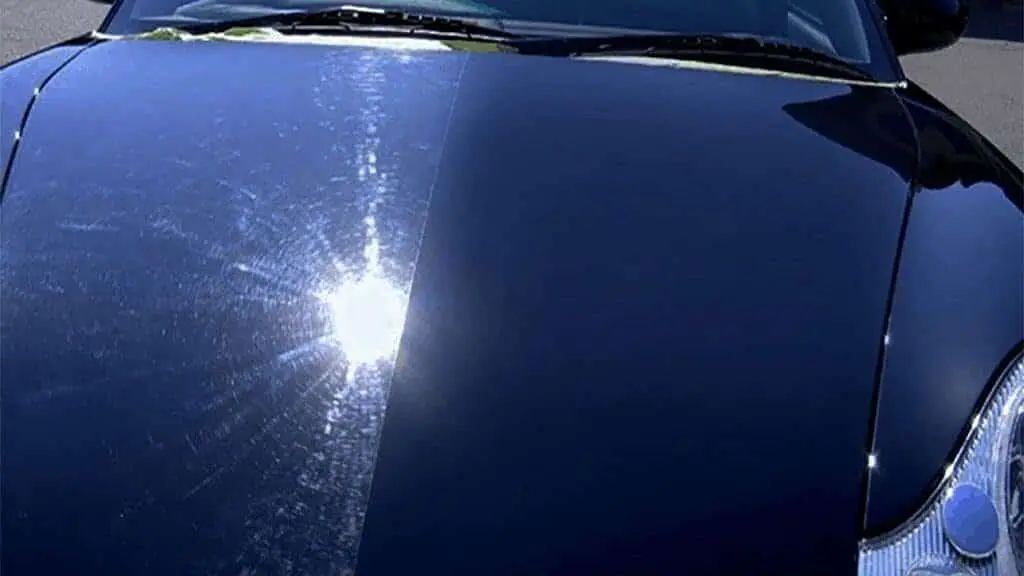
Complete guide to ceramic coating for classic and vintage cars. Covers original paint considerations, single-stage finishes, lacquer treatments, when to coat vs wax, and collector vehicle protection.
Classic car paint often represents decades of history—sometimes it's original, irreplaceable, and worth preserving exactly as-is. Modern ceramic coating offers powerful protection, but vintage vehicles require a fundamentally different approach than a new car off the dealer lot.
At Blackout Window Tinting, we've worked with classic car enthusiasts for over three decades, from perfectly restored show cars to preserved original survivors. This comprehensive guide covers everything collectors need to know about protecting vintage paint.
What Makes Classic Car Paint Different
Understanding Vintage Paint Systems
Pre-1980s paint characteristics:
| Era | Typical Paint Type | Clear Coat? | Special Concerns |
|---|---|---|---|
| 1920s-1940s | Lacquer, enamel | No | Extremely thin, fragile |
| 1950s-1960s | Lacquer, enamel | No | Single-stage, limited thickness |
| 1970s | Lacquer, acrylic | Rare | Transition era, varies |
| 1980s+ | Urethane, basecoat/clear | Often | Modern systems, easier to work |
Single-stage paint (no clear coat): Most classics from the 1950s-1970s have single-stage paint—the color and protection are one layer. Unlike modern basecoat/clearcoat, you can't polish through "just the clear coat." Any correction removes actual color.
Lacquer finishes: Common on 1950s-1970s vehicles:
- Thin coatings (2-4 mils total)
- Sensitive to solvents
- Require specific care products
- Can re-flow with certain chemicals
Factory paint thickness: Vintage factory paint is typically 3-6 mils total—half or less of modern paint. There's simply less material to work with before you're through to primer or metal.
Why This Matters for Coating
Modern ceramic coating process assumes:
- Thick, stable clear coat
- Ability to polish before coating
- Modern urethane chemistry
- 6-10 mils of paint to work with
Classic car reality:
- Thin single-stage paint
- Minimal correction possible
- Potentially reactive paint chemistry
- 3-5 mils—one wrong move reaches metal
When TO Apply Ceramic Coating
Excellent Coating Candidates
Restored vehicles with modern paint:
- Basecoat/clearcoat respray
- Modern urethane finishes
- Adequate thickness (6+ mils)
- Proper prep already done
Benefits: Restored classics with modern paint get all the advantages of ceramic coating—protection, easy maintenance, enhanced appearance—without special concerns.
Repainted classics in original style: Cars repainted using period-correct colors but modern materials are ideal candidates for coating.
Daily-driven classics: If your classic sees regular use, weathering, and washing, ceramic coating provides significant practical benefit:
- Easier cleaning after drives
- Protection from contaminants
- UV defense for preservation
- Reduced maintenance burden
Storage in challenging climates: Coastal salt air, high humidity, temperature swings—these attack paint even on stored vehicles. Coating provides barrier protection.
Moderate Candidates (Proceed with Caution)
Original paint in good condition: Original paint has historical value but may benefit from protection:
- Assess paint chemistry first
- Test in hidden area
- Use appropriate products
- Consider lighter protection options
Single-stage solid colors (good condition): Solid-color single-stage in healthy condition can often be coated:
- No metallics with exposed flakes
- No cracking or checking
- Adequate thickness confirmed
- Test patch successful
Previously waxed survivors: Cars maintained with traditional wax for decades are often fine for coating:
- Clean thoroughly first
- Remove all wax residue
- Light prep only
- Test compatibility
When to AVOID Ceramic Coating
Leave These Cars Uncoated
Museum-grade original paint: If originality is the primary value—a numbers-matching Corvette with factory paint, a survivor muscle car—don't risk modern chemistry. Carnauba wax is reversible and time-proven.
Lacquer showing checking or cracking: Paint that's already failing needs different intervention:
- Coating won't fix structural issues
- May accelerate problems in some cases
- Paint stabilization or respray needed
Unknown restoration history: If you don't know what's on the car:
- What paint system was used?
- Is there clear coat?
- What's underneath the top layer?
Unknown variables create risk. Assess before proceeding.
Trailer queens (never driven, show only): Cars that only see cotton gloves and museum conditions don't need ceramic coating's durability. Traditional wax suffices, and judges may prefer seeing proper hand wax.
"Patina" as intentional aesthetic: Some enthusiasts value the aged, weathered look. Coating could alter this appearance or create protection inconsistencies. If patina is the point, leave it alone.
The Professional Classic Car Coating Process
Phase 1: Assessment (Critical for Classics)
What we evaluate:
Paint type identification:
- Visual inspection for clear coat
- Solvent spot test (hidden area)
- Research for year/make specifics
- Client knowledge of history
Paint thickness measurement:
| Location | Measurement | Interpretation |
|---|---|---|
| Multiple panels | 3-4 mils | Thin—extreme caution |
| Multiple panels | 5-6 mils | Original or single respray—careful |
| Multiple panels | 7-10+ mils | Modern respray—normal process |
| High variance | Varies widely | Repaint history—investigate |
Condition documentation:
- Photos of all panels
- Note existing issues
- Document imperfections
- Get owner sign-off
Client consultation:
- What are your goals?
- What's the car's value proposition?
- Originality vs. protection priority?
- How is the car used?
Phase 2: Gentle Preparation
Classic car prep differs from modern:
| Step | Modern Car | Classic Car |
|---|---|---|
| Wash | Standard | Hand wash only, gentle |
| Decontamination | Clay bar, chemical | Light clay only if needed |
| Polish/Correct | Standard correction | Minimal or none |
| Prep wipe | IPA standard | Test first, may skip |
Surface preparation:
- Hand wash with pH-neutral soap
- Minimal physical contact
- No aggressive cleaners
- Chemical decontamination only if essential (and tested)
Clay bar considerations:
- Use fine-grade only
- Lubricant compatible with paint type
- May skip entirely for fragile finishes
- Test on hidden area first
Phase 3: Correction (Very Limited)
For most classics:
- No machine polishing
- Hand polish only if essential
- Preserve every mil of paint
- Accept existing patina/character
When light correction is appropriate:
- Modern respray on classic body
- Adequate thickness confirmed
- Owner explicitly authorizes
- Goals require it
We often decline correction on:
- Original paint of any age
- Single-stage without respray
- Cars with unknown history
Phase 4: Coating Selection
Not all coatings are equal for classics:
| Paint Type | Recommended Product | Reason |
|---|---|---|
| Modern clear coat | Standard professional coating | Full compatibility |
| Single-stage (solid) | Lower SiO2 coating or sealant | Gentler chemistry |
| Lacquer (good condition) | Professional sealant or light coating | Compatibility concern |
| Lacquer (fragile) | Carnauba wax only | Maximum safety |
| Unknown/fragile | Spray sealant (reversible) | Can be removed if issues |
Application modifications:
- Multiple thinner layers vs. one thick layer
- Extended flash time between coats
- Controlled temperature environment
- Extra cure time allowed
Phase 5: Application
Technique adjustments:
- Panel by panel application
- Very thin product application
- Immediate but gentle leveling
- Extra attention to edges and recesses
Environment control:
- Temperature: 65-75°F ideal
- Low humidity
- No dust contamination
- Adequate lighting for inspection
Phase 6: Cure and Aftercare
Extended protocols:
- Longer initial cure (48 hours minimum)
- No touching or covering during cure
- Avoid temperature extremes
- First wash delay (2 weeks minimum for classics)
Alternative: High-Quality Carnauba Wax
When Wax Makes More Sense
For truly irreplaceable original paint, traditional carnauba wax remains the gold standard:
Advantages:
- Completely reversible (removes with wash)
- Zero risk to paint chemistry
- Proven safe over 100+ years
- Period-appropriate for many classics
- Concours judges often prefer it
- Soft, warm appearance
Disadvantages:
- Lasts 2-3 months (requires reapplication)
- Less hydrophobic than ceramic
- Less chemical resistance
- More maintenance overall
- Doesn't work as hard
High-Quality Wax Recommendations
| Product | Type | Durability | Best For |
|---|---|---|---|
| Zymöl | Carnauba | 2-3 months | Show cars |
| Collinite 845 | Blend | 4-6 months | Driven classics |
| P21S | Carnauba | 2-3 months | Concours prep |
| Pinnacle Souveran | Carnauba | 3-4 months | Premium look |
Synthetic Sealants (Middle Ground)
For those wanting more than wax, less than ceramic:
Characteristics:
- 4-8 month durability
- Better chemical resistance than wax
- Easier application
- Removable if needed
- Good hydrophobicity
Popular options:
- Menzerna Power Lock
- Klasse High Gloss
- Jescar Powerlock+
Cost Considerations for Classics
Service Pricing
| Service | Price Range | For |
|---|---|---|
| Assessment only | $50-$100 | Paint evaluation, recommendation |
| Wax application | $150-$300 | Premium carnauba service |
| Sealant application | $200-$400 | Synthetic sealant protection |
| Light ceramic coating | $800-$1,500 | Conservative ceramic on appropriate paint |
| Full ceramic coating | $1,500-$2,500 | For modern respray classics |
| Show car complete prep | $2,500-$4,000+ | Multi-day correction and coating |
Value Considerations
For high-value classics: The cost of deteriorated original paint far exceeds protection costs:
- Original paint on numbers-matching cars adds thousands to value
- Coating investment protects that value
- Damaged original paint may never be "correct" again
Frequently Asked Questions
Will ceramic coating affect my classic's value?
For most classics with modern respray, coating adds value—protection is desirable. For survivors with original paint, the presence of coating is neutral to slightly negative for purists who prefer traditional wax. It's not damaging, but "originality" includes maintenance methods for some collectors.
Can you tell if a classic has been ceramic coated?
Coated paint has distinct characteristics—stronger water beading, slicker feel, different sheen. Experienced appraisers or judges may notice. If maintaining "100% original" presentation is important for judging or provenance, disclose coating use.
What if my classic's paint reacts badly to coating?
This is why we test hidden areas first. If reaction occurs (hazing, marring, discoloration), the coating can usually be removed from the small test area before it damages visible surfaces. This is rare but happens occasionally with certain lacquer finishes.
How do I maintain ceramic coating on a classic car?
Same as any coated vehicle: pH-neutral wash, microfiber materials, avoid harsh chemicals. Keep it cleaner (don't let contamination sit), dry after washing, and consider annual professional maintenance. Classics don't need different coating maintenance—just the same good practices.
Is ceramic coating better than wax for a classic I drive?
For driven classics with modern respray or healthy single-stage: yes, coating's durability and easy cleaning justify it. For survivors with original lacquer or fragile paint: wax is safer and appropriate. Frequency of use tips the scale—daily drivers benefit more from coating.
Can I layer wax over ceramic coating on my classic?
You can, though it's unnecessary and may reduce hydrophobic performance. Some owners enjoy the ritual of waxing and the warm look carnauba adds. If you want to wax, use a minimal carnauba layer; avoid heavy synthetic sealants over ceramic.
Should I coat my classic before or after showing?
Before showing if newly restored/resprayed—coating protects for the journey and during display. If the car has been maintained with wax for years, judges may prefer seeing that traditional care continued. Know your show's judging criteria.
How often should ceramic coating be reapplied on classics?
Quality coating on a garaged, occasionally-driven classic can last 5+ years before needing reapplication. Heavily driven classics may need refreshing at 3-4 years. We offer free assessment for coated classics to determine if recoating is needed.
Protect Your Investment Properly
Classic cars deserve care that respects their unique characteristics. We evaluate every vintage vehicle individually and recommend appropriate protection.
📞 Schedule classic car consultation: 408-848-8468
📍 Visit us: 610 Holloway Road, Gilroy
📝 Request assessment: Contact us online
Visit the Experts in Gilroy
Blackout Window Tinting is the Bay Area's premier choice for premium auto protection. Based in Gilroy at 610 Holloway Rd (behind Target), we've served the South County and Silicon Valley area for over three decades. Whether you're coming from Morgan Hill, Hollister, or anywhere else in the Bay Area, we're your trusted local source for professional window tint, PPF, and ceramic coating.
📞 Questions? Call us at 408-848-8468 or get a free quote online.
Learn more: Ceramic Coating Services →
33+ years
The team at Blackout Window Tinting has been serving the Bay Area since 1993, providing premium window tinting and vehicle protection services.
Window TintingPPFCeramic CoatingVehicle Wraps