Window Tinting
Ceramic vs Carbon Window Tint: Complete Buyers Guide

Blackout Team· Window Tinting Experts
·Updated ·8 min read
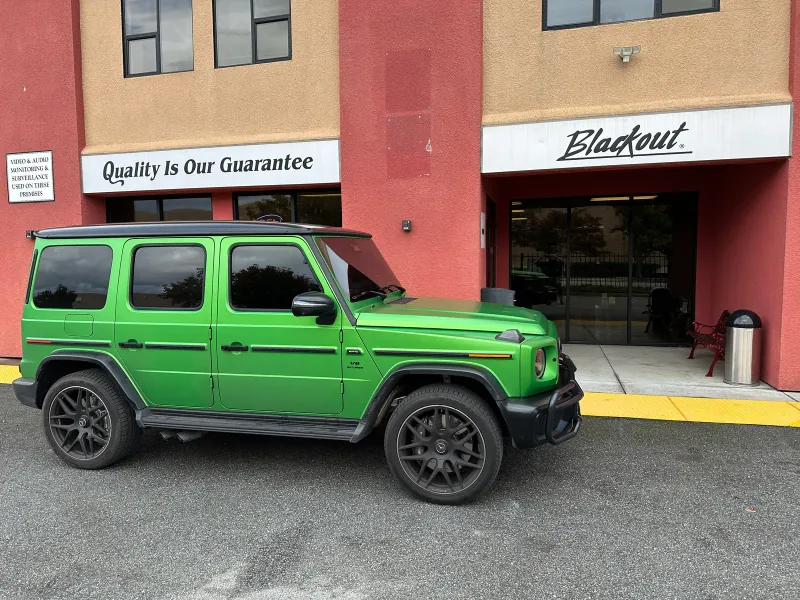
Ceramic or carbon window tint? Compare heat rejection, price, durability for Bay Area drivers. Make the right choice for your car and budget.
Choosing window tint feels complicated. Carbon or ceramic? What's the difference? Which is worth the money?
After 32+ years of installing both, here's the honest breakdown.
The Quick Answer
| Factor | Carbon Tint | Ceramic Tint |
|---|---|---|
| Heat rejection | 30-45% | 40-60% |
| UV blocking | 99% | 99% |
| Signal interference | None | None |
| Durability | 10+ years | 10+ years |
| Price | $$ | $$$ |
| Best for | Budget-conscious, UV protection | Maximum heat rejection, premium vehicles |
Bottom line: Ceramic performs better. Carbon costs less. Both are quality options that beat dyed and metalized films.
How They Work (Without the Science Class)
Carbon Tint
Carbon tint embeds microscopic carbon particles in the film. These particles:
- Block infrared light (heat)
- Absorb UV rays
- Create a matte black appearance
- Don't interfere with electronics
What you'll notice: Good heat reduction, solid appearance, no purple fading.
Ceramic Tint
Ceramic tint uses nano-ceramic particles instead of carbon. These particles:
- Block more infrared than carbon
- Reject more total solar energy
- Allow slightly more visible light (can go lighter while rejecting more heat)
- Cost more to manufacture
What you'll notice: Noticeably cooler cabin, lighter shades available with good heat rejection.
Heat Rejection: Real Numbers
This is where it matters for Bay Area drivers. When it's 95°F in Gilroy, you feel the difference.
Actual Performance Comparison
| Film Type | Example Product | Heat Rejection (TSER) | IR Rejection |
|---|---|---|---|
| Carbon | LLumar CTX | 35-40% | 50% |
| Ceramic | LLumar IRX | 49-55% | 88% |
| Premium Ceramic | 3M Crystalline | 55-60% | 97% |
What TSER means: Total Solar Energy Rejected — the percentage of the sun's energy blocked from entering your car.
The difference: At 40% vs 55% rejection, you're talking 15% more heat in a carbon-tinted car. In summer, that's the difference between "warm but okay" and "brutally hot."
Real-World Test
We've tested both on identical vehicles:
| Measurement | Carbon Tint (35%) | Ceramic Tint (35%) |
|---|---|---|
| Dashboard temp after 2 hours | 135°F | 115°F |
| Seat surface temp | 130°F | 110°F |
| Steering wheel | 140°F | 118°F |
Tested July in Gilroy, full sun, no shade
That 20°F difference is significant. It's the difference between tolerable and unbearable.
UV Protection: A Tie
Both carbon and ceramic block 99%+ of UV rays. Neither is better here.
Why this matters:
- Protects skin (dermatologists recommend window tint)
- Prevents interior fading
- Stops dashboard/leather cracking
If UV protection is your main goal, save money with carbon.
Appearance Differences
Carbon Tint Look
- Matte black finish — no shine, no glare
- Deep black color from outside
- Slightly darker appearance at same VLT percentage
- Classic tinted look
Ceramic Tint Look
- Slight blue or green hue (varies by brand)
- More transparent-looking from inside
- Same VLT appears lighter than carbon
- More "OEM factory" appearance
Neither is better — it's preference. Some people prefer carbon's deep black. Others like ceramic's cleaner look.
Price Comparison
Typical Bay Area Pricing (2026)
| Vehicle Type | Carbon Tint | Ceramic Tint | Difference |
|---|---|---|---|
| Sedan (5 windows) | $250-350 | $400-550 | +$100-200 |
| SUV (7 windows) | $300-450 | $500-700 | +$200-250 |
| Full vehicle + windshield | $450-600 | $700-1,000 | +$250-400 |
Is the upgrade worth it?
For the Bay Area climate: Usually yes. Here's why:
- Summer temps regularly exceed 90°F
- Most cars sit in parking lots (commuters, office workers)
- AC runs constantly, increasing fuel/energy use
- Premium vehicles deserve premium protection
For mild climates with garages: Carbon is probably fine.
Durability: Both Win
Lifespan
Both carbon and ceramic tints last:
- 10+ years for quality brands (LLumar, 3M)
- Lifetime warranty against fading, bubbling, peeling (manufacturer terms)
- No degradation in heat rejection over time
What matters more than carbon vs ceramic: installation quality and brand name.
Cheap ceramic from unknown brands fails faster than quality carbon from established brands.
What Actually Fails
When tint fails, it's usually:
- Poor installation (contamination, poor sealing)
- No-name film (cheap materials, weak adhesives)
- Physical damage (scratches, pets, kids)
Avoid the cheap shop down the street. Quality carbon beats cheap ceramic every time.
Signal Interference: Neither Has Issues
Old myth alert: Neither carbon nor ceramic interferes with signals.
- GPS works fine
- Cell phones work fine
- Radio works fine
- Toll passes work fine (with clear zone on windshield)
- Bluetooth works fine
The only tint that causes interference is metallic tint (metalized films). We don't install it for this reason.
Best Use Cases
When to Choose Carbon Tint
✅ Budget is a primary concern ✅ UV protection is your main goal ✅ You prefer the matte black look ✅ Vehicle is parked in garage most of the time ✅ You want good tint at a fair price
When to Choose Ceramic Tint
✅ Maximum heat rejection matters ✅ Vehicle sits in sun regularly (commuter, outdoor parking) ✅ It's a premium/luxury vehicle ✅ You want to run AC less ✅ You're willing to invest for best performance
Gilroy/Bay Area Recommendation
For our local climate and driving patterns, here's what we suggest:
Daily Drivers (Commuters)
Ceramic. Your car sits in parking lots for 8+ hours. The extra heat rejection pays for itself in comfort and AC savings.
Weekend/Garage-Kept Vehicles
Either works. Carbon saves money if the car isn't baking in the sun regularly.
Tesla/EV Owners
Ceramic. Every degree of heat rejection saves battery. AC is a significant range drain. Ceramic helps maintain range.
Trucks/SUVs with Lots of Glass
Ceramic. More glass = more heat gain. The upgrade is most noticeable on large vehicles with panoramic windows.
What We Install
We carry quality options in both categories:
Carbon films:
- LLumar CTX (most popular)
- 3M Color Stable
Ceramic films:
- LLumar IRX (best value ceramic)
- 3M Crystalline (premium, highest performance)
- LLumar Air 80 (windshield-specific)
All come with manufacturer lifetime warranties.
Ready to Choose?
📞 Call 408-848-8468 — we'll help you pick the right film
📅 Get a quote — include your car and preferences
📍 Visit 610 Holloway Rd — Gilroy, behind Target
Related Content
- Brand Comparison: 3M vs LLumar vs XPEL Comparison
- Heat Science: 3M Crystalline vs Ceramic IR
- Laws: California Tint Laws 2026
- Service Page: Automotive Window Tinting
31+ years
The team at Blackout Window Tinting has been serving the Bay Area since 1993, providing premium window tinting and vehicle protection services.
Window TintingPPFCeramic CoatingVehicle Wraps