Detailing
Car Detailing Schedule: How Often to Detail

Blackout Team· Window Tinting Experts
·6 min read

Learn how often to detail your car based on driving habits, climate, and protection level. Complete maintenance schedule for exterior and interior.
"How often should I detail my car?"
It's one of the most common questions we get. And the answer is: it depends.
Your ideal detailing schedule depends on how you drive, where you park, what protection you have, and how much you care about maintaining that new-car look.
Here's a framework to figure out your personal schedule.
Quick Reference: Standard Schedules
Minimum Maintenance
| Task | Frequency |
|---|---|
| Wash | Every 2 weeks |
| Interior vacuum | Monthly |
| Full interior detail | Every 6 months |
| Full exterior detail | Every 6 months |
| Wax/sealant | Every 3-6 months |
Enthusiast Level
| Task | Frequency |
|---|---|
| Wash | Weekly |
| Quick interior wipe | Weekly |
| Full interior detail | Quarterly |
| Full exterior detail | Quarterly |
| Coating maintenance | Per product instructions |
Factors That Affect Your Schedule
1. Driving Environment
Highway commuter:
- Less dirt accumulation
- More bug splatter, tar, road grime
- Every 2 weeks wash adequate
City driver:
- More brake dust
- More bird droppings
- Weekly wash recommended
Off-road/rural:
- Mud, dust, agricultural chemicals
- Wash after every exposure
- More frequent undercarriage cleaning
Coastal:
- Salt air accelerates corrosion
- Weekly wash minimum
- Frequent undercarriage rinse
2. Parking Situation
Garage kept:
- Less environmental exposure
- Less frequent exterior detailing needed
- Every 2-3 months full detail adequate
Outdoor parking:
- Sun damage, sap, bird droppings
- Water spots from sprinklers
- Monthly maintenance minimum
Under trees:
- Sap, pollen, bird droppings accumulate rapidly
- Weekly attention to affected areas
- Consider different parking spot
3. Protection Level
No protection (bare paint):
- Wax/sealant every 2-3 months
- Decontamination every 6 months
- Paint degrades fastest
Sealant/wax:
- Reapply every 3-6 months
- Decontamination every 6-12 months
- Good protection with maintenance
Ceramic coating:
- Maintenance wash every 2 weeks
- Decontamination annually
- Minimal additional products needed
PPF (Paint Protection Film):
- Standard wash schedule
- Annual professional inspection
- Longest lasting protection
Detailed Schedules by Usage
Daily Driver (Non-Coated)
This is the most common scenario—a car that's used regularly without ceramic coating.
Weekly:
- Quick wash or rinse
- Remove bird droppings immediately
Bi-weekly:
- Full contact wash
- Quick interior wipe
Monthly:
- Interior vacuum
- Glass cleaning (interior)
- Tire dressing
Quarterly:
- Clay bar decontamination
- Apply wax or sealant
- Leather conditioning
- Deep interior clean
Annually:
- Full paint correction (if needed)
- Complete interior extraction
- Engine bay cleaning
- Consider ceramic coating
Daily Driver (Ceramic Coated)
Ceramic coating changes maintenance significantly.
Bi-weekly:
- pH-neutral wash
- No wax/sealant needed
Monthly:
- Interior vacuum
- Quick glass cleaning
- Tire maintenance
Quarterly:
- Light decontamination (iron remover)
- Coating detail spray (SiO2 booster)
- Leather conditioning
Annually:
- Full decontamination
- Coating inspection
- Consider coating refresh/top-up
Weekend/Garage Queen
Low-mileage vehicles require less but still need attention.
Monthly:
- Dust removal (California duster or light wash)
- Interior check for moisture issues
- Run engine and drive briefly
Quarterly:
- Full wash and detail
- Wax/sealant application
- Interior conditioning
- Tire treatment
Annually:
- Decontamination
- Full paint assessment
- Full interior detail
- Mechanical systems check
High-Value/Show Car
Maximum care for maximum preservation.
After every drive:
- Quick detail spray wipe
- Remove any fresh contamination
Weekly:
- Hand wash using two-bucket method
- Interior dust
Monthly:
- Full hand wash and dry
- Interior detail
- Tire/wheel detail
Quarterly:
- Decontamination
- Paint inspection under lights
- Coating/wax maintenance
Annually:
- Professional paint correction assessment
- Complete detail inside and out
- Coating reapplication if needed
Seasonal Considerations
Spring
- Remove winter road salt residue
- Full decontamination
- Address any salt damage
- Apply fresh protection
Summer
- More frequent washes (bugs, dust)
- UV-focused protection
- Address tree sap promptly
- Interior UV protection
Fall
- Remove fallen leaves immediately (acids damage paint)
- Address sap and pollen
- Prepare for winter
- Apply longer-lasting sealant
Winter
- Rinse undercarriage frequently
- Address salt immediately
- Avoid wax (sealant lasts better)
- Interior protection from wet shoes
Signs You Need Immediate Detailing
Exterior Warning Signs
| Warning Sign | What It Means |
|---|---|
| Water doesn't bead | Protection has worn off |
| Paint feels rough | Contamination present |
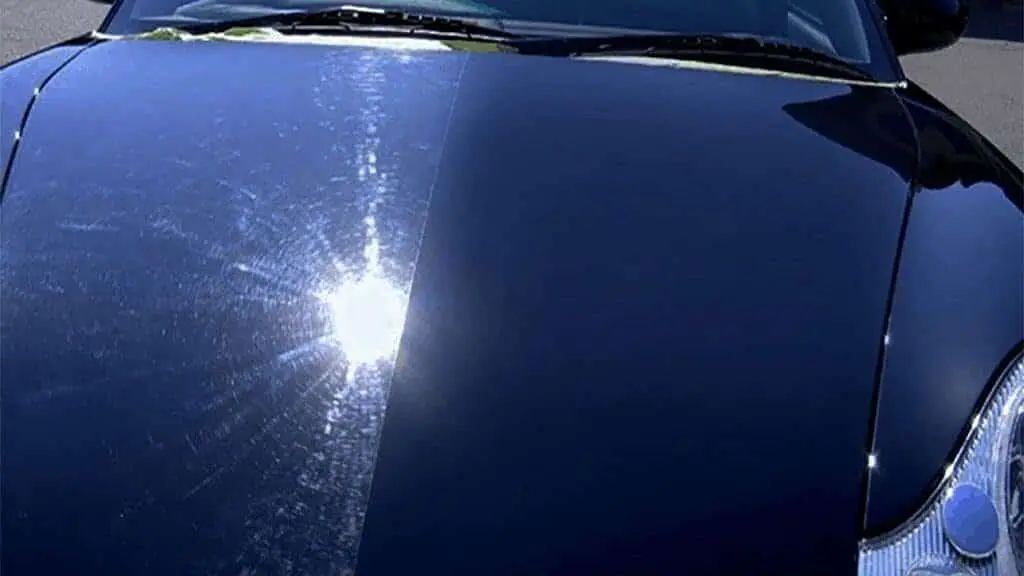
| Swirl marks visible | Paint correction needed |
| Oxidation/dullness | Clear coat deteriorating |
| Etching from bird droppings | Acid damage (needs correction) |
Interior Warning Signs
| Warning Sign | What It Means |
|---|---|
| Persistent odor | Deep cleaning needed |
| Leather cracking | Conditioning overdue |
| Vinyl fading | UV protection needed |
| Stains setting | Extraction required |
| Sticky surfaces | Product buildup or degradation |
Cost-Effective Maintenance Strategy
The 80/20 Approach
80% of protection comes from:
- Regular washing (prevents contamination buildup)
- Quick contamination removal (bird droppings, sap, bugs)
- Basic protection (even spray wax helps)
Where to Invest
| Investment | Return |
|---|---|
| Ceramic coating | Reduces maintenance effort 50%+ |
| Quality wash supplies | Better results, less scratching |
| Professional detail 2x/year | Catches issues early |
| Garage parking | Reduces all degradation |
Creating Your Personal Schedule
Step 1: Assess Your Situation
- Driving environment (city/highway/rural)
- Parking (garage/covered/exposed)
- Current protection level
- Budget and time availability
Step 2: Set Your Baseline
Start with the standard maintenance schedule, adjust based on:
- Visible contamination (increase frequency)
- Garage parking (decrease slightly)
- Ceramic coating (shift from application to maintenance)
Step 3: Observe and Adjust
After 3-6 months, evaluate:
- Is protection holding?
- Is contamination managed?
- Any new issues appearing?
Adjust schedule based on actual results.
Detailing Services at Blackout
We offer scheduled maintenance programs and one-time details.
Services include:
- Express wash and wax
- Full exterior detail
- Complete interior detail
- Ceramic coating maintenance
- Custom schedules
📍 Visit our Gilroy shop — discuss your maintenance needs. Explore our detailing services →
Visit the Experts in Gilroy
Blackout Window Tinting is the Bay Area's premier choice for premium auto protection. Based in Gilroy at 610 Holloway Rd (behind Target), we've served the South County and Silicon Valley area for over 30 years. Whether you're coming from Morgan Hill, Hollister, or anywhere else in the Bay Area, we're your trusted local source for professional window tint, PPF, and ceramic coating.
📞 Questions? Call us at 408-848-8468 or get a free quote online.
Related Articles
31+ years
The team at Blackout Window Tinting has been serving the Bay Area since 1993, providing premium window tinting and vehicle protection services.
Window TintingPPFCeramic CoatingVehicle Wraps