When the sun shines down on a hot day, it can be nice to open up the windows and let the breeze in. But have you ever wondered if the sun’s UV rays can also come in through the window?
And what about all of those other questions you’ve always had about windows but were afraid to ask? Well, wonder no more!
In this article, we will answer all your questions about UV penetration and more. From commercial window film to window treatments, we’ll explore how you can protect yourself and your home from the damaging effects of UV radiation!
What are UV rays?
Before we can answer whether or not UV rays can go through windows, it’s important to understand what UV rays are. UV radiation is a type of electromagnetic radiation that comes from the sun. It comprises three different types of rays – UVA, UVB, and UVC.
UVA rays
These make up around 95% of the UV radiation that reaches the Earth’s surface. They are relatively long wavelengths and can penetrate deep into the skin, causing premature aging and wrinkling.
UVB rays
These have shorter wavelengths than UVA rays and comprise around five percent of the UV radiation that reaches us. They are the main cause of sunburn.
UVC rays
These have the shortest wavelengths and are completely absorbed by the ozone layer, so they don’t reach us here on Earth. However, they can be found in artificial light sources, like tanning beds.
What are the negative effects of UV rays on the body?
UV radiation can have both short- and long-term effects on the human body. Here are some of the most common ones:
Sunburn
When UVB rays penetrate the skin, they can damage the DNA and cause cells to die. This can lead to a painful sunburn.
Skin cancer
Exposure to UV radiation is one of the main risk factors for all types of skin cancer, including melanoma, basal cell carcinoma, and squamous cell carcinoma. Read tips to protect your skin from sun damage to learn more.
Eye damage
UV radiation can also damage the eyes, causing conditions like cataracts and macular degeneration.
Premature aging
UVA rays can penetrate the skin, causing premature aging and wrinkling. In fact, 90% of the visible signs of aging are caused by exposure to UV radiation!
Suppressing the immune system
It’s not just your skin that’s at risk – exposure to UV radiation can also suppress the immune system, making you more susceptible to infections and diseases.
What are the negative effects of UV rays on the home?
In addition to causing all of these negative effects on the human body, UV radiation can also damage your home. Here are some of the ways it
Can UV rays go through windows?
Now that we know all about UV rays and their negative effects, let’s answer the question: can they go through windows? The answer is yes – but it depends on the type of window because different materials block UV rays to different degrees.
Single-pane windows
These are the most common types of windows and can be found in homes and cars. They are made of a single sheet of glass, which does not block UV rays very well. In fact, up to 90% of UV radiation can pass through a single-pane window!
Double-pane windows
These are made of two sheets of glass with a gas or air filling in between them. This helps to block UV rays, but up to 80% of UV radiation can still pass through. So, while double-pane windows offer more protection than single-pane windows, they are still ineffective.
How can you block UV rays from coming through windows?
There are a few ways you can block UV rays from coming through your windows, including:
1. Installing window film.
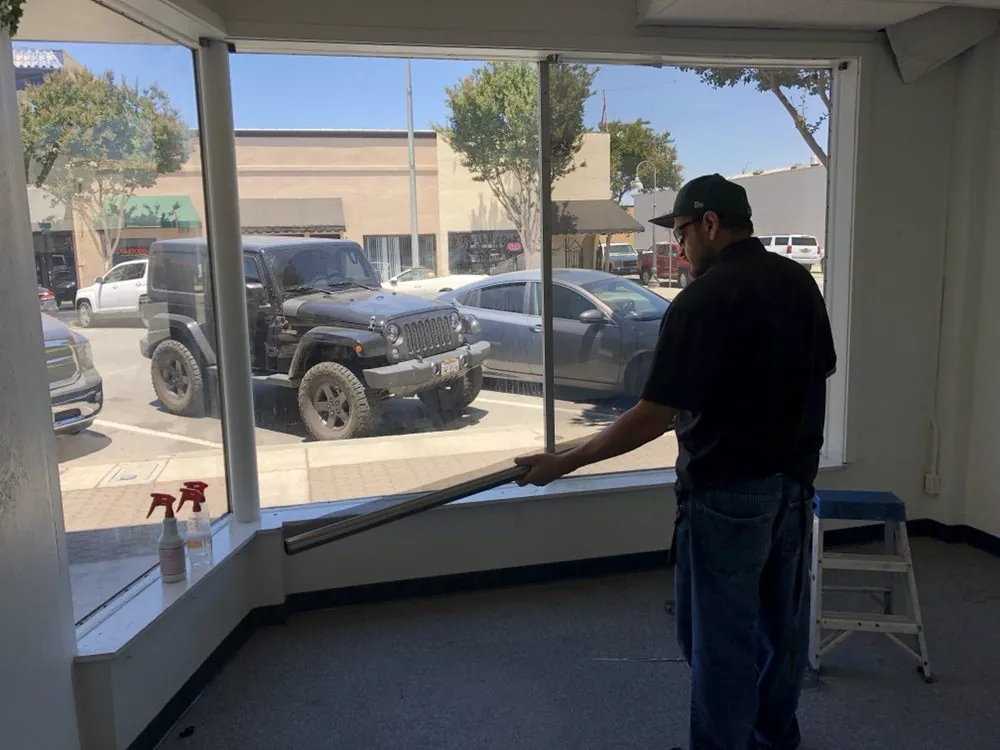
Window film is a thin, transparent film that can be applied to your windows. It helps to block UV rays and can also reduce glare and heat.
- Look for window films specifically designed to block UV rays. These will usually have a higher level of UV protection than regular window films.
- Make sure the window film is properly installed. If it’s not, it won’t be effective at blocking UV rays.
- Check the warranty before you buy. Some window film can cause damage to glass, so it’s important to make sure you’re covered in case anything goes wrong.
- Be aware that window film can affect the appearance of your windows. It can make them appear darker, so keep this in mind when choosing a film.
- Consider privacy concerns. If you live in a high-traffic area, window film can help to increase your privacy.
2. Adding window treatments.
Another way to block UV rays is by adding window treatments, like curtains, blinds, or shutters. These can effectively block light and UV rays, but they can also affect the appearance of your home.
When choosing window treatments, look for ones specifically designed to block UV rays. These will usually be made of thicker, heavier fabrics.
3. Tint your car windows.
It’s not just your home that’s at risk – you can also damage yourself and your car interiors by driving with unprotected windows. Luckily, there are a few ways you can protect yourself while driving.
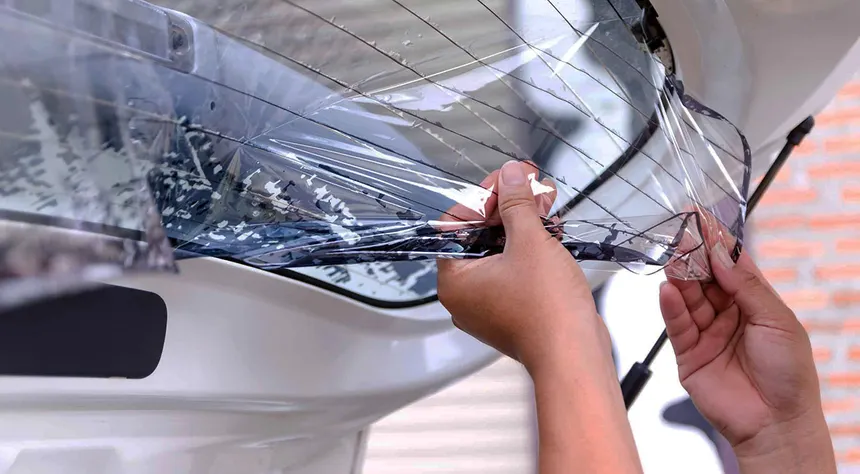
- Get your car windows tinted. This will help block UV rays and reduce glare and heat. Choose Automotive Tinting that has a high level of UV protection.
- Check local laws before you tint your car windows. In some states, there are restrictions on how dark your car windows can be.
Check out preserving your car’s interior to learn more.
4. Use window coverings.
If you can’t or don’t want to tint your car windows, you can use window coverings instead. These can be anything from visors and sunshades to curtains and blinds. Make sure the window coverings you choose are designed to block UV rays. If they’re not, they won’t be effective.
Use window coverings that are easy to remove and put back on. This will make it easier to take them off when you don’t need them, like when driving at night.
FAQs
Can I get sunburned through a car window?
Yes, you can get sunburned through a car window. In fact, up to 80% of UV rays can pass through a car windshield! This is why it’s so critical to protect yourself when driving, even on cloudy days.
Can I get sunburned through a home window or office window?
If the window is made of glass, you can get sunburned through it. Up to 90% of UV rays can pass through a single-pane window, so it’s important to take measures to protect yourself.
What are the consequences of getting too much UV exposure?
Too much UV exposure can cause skin cancer, eye damage, and other health problems. It can also damage your home and car interiors, causing fading and deterioration.
How can I tell if my windows are blocking UV rays?
You can’t always tell if your windows are blocking UV rays just by looking at them. The only way to be sure is to have them professionally tested. Test results will tell you the UV protection rating of your windows.
Conclusion
Every day, we’re bombarded with UV rays. But can UV rays go through windows? The answer is yes – but there are ways to protect yourself and your home.
If you’re concerned about UV rays, the best thing you can do is take measures to prevent them from entering your home or car. This can be done by tinting your windows, adding window treatments, or using window coverings.
Visit the Experts in Gilroy
Blackout Window Tinting is the Bay Area's premier choice for premium auto protection. Based in Gilroy at 610 Holloway Rd (behind Target), we've served the South County and Silicon Valley area for over 33 years. Whether you're coming from Morgan Hill, Hollister, or anywhere else in the Bay Area, we're your trusted local source for professional window tint, PPF, and ceramic coating.
📞 Questions? Call us at 408-848-8468 or get a free quote online.