Window Tinting
Best Rooms to Tint First: Maximize Your Window Tinting ROI

Blackout Team· Window Tinting Experts
·Updated ·7 min read
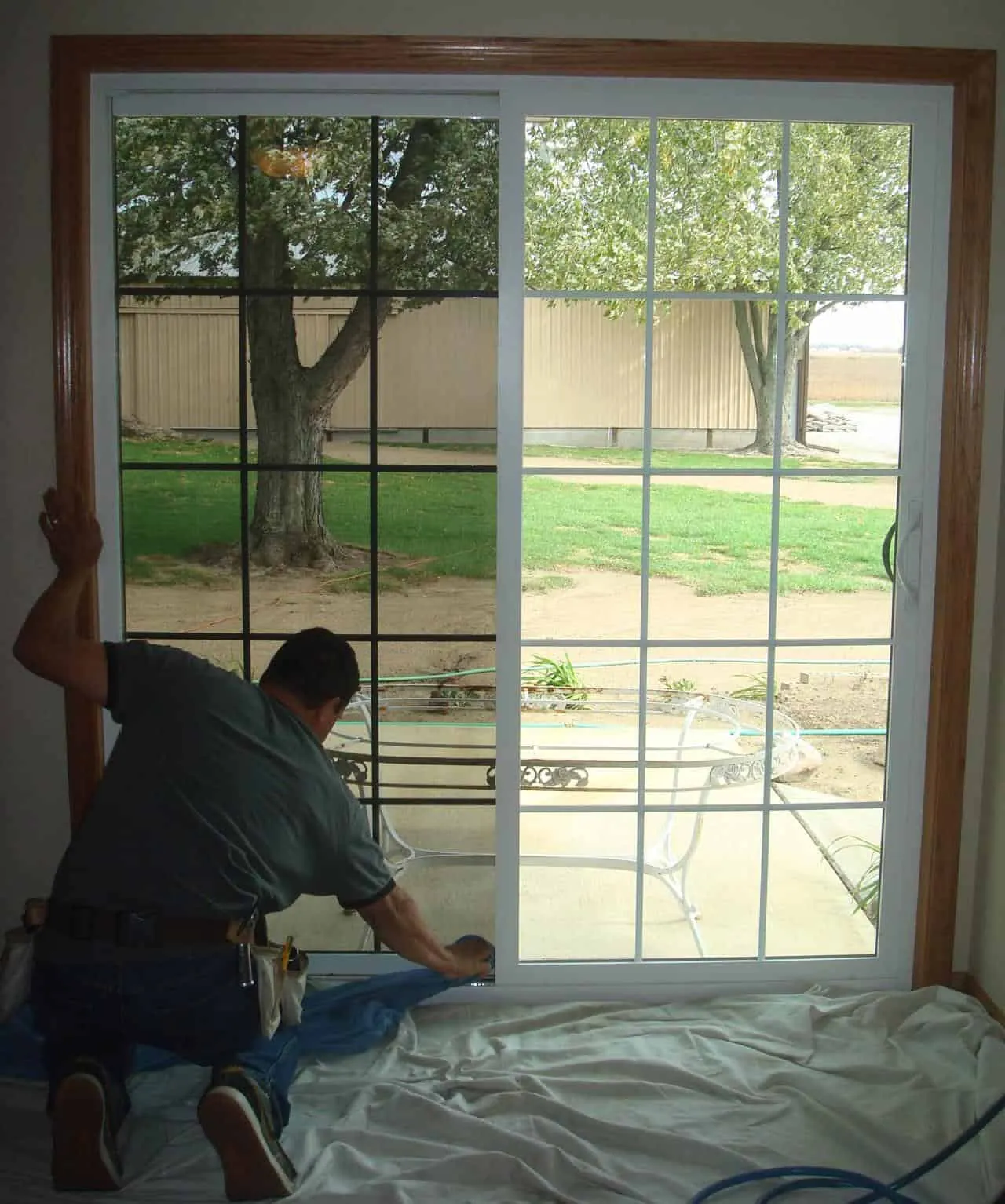
Which windows should you tint first? Prioritize rooms for maximum energy savings and comfort. Bay Area homeowners' guide to strategic window tinting.
Window tinting your entire home can cost $1,500-$4,000+. That's a significant investment—and you might not need to do it all at once.
Strategic room prioritization lets you capture 70-80% of the benefits for 40-50% of the cost.
Here's how to get the maximum return on your window tinting investment.
The ROI Framework: Heat, Comfort, and Productivity
Window tinting provides value in three main ways:
- Energy savings — Reduced AC/heating costs
- Comfort improvement — Usable rooms that were previously too hot/bright
- Asset protection — Preventing UV damage to furniture, floors, and skin
Different rooms score differently on each factor. Let's break it down.
Priority 1: South and West-Facing Rooms
ROI ranking: ⭐⭐⭐⭐⭐
These rooms receive the most direct sunlight and benefit most from tinting.
Why South-Facing Windows Matter
In the Northern Hemisphere, south-facing windows receive year-round direct sun exposure:
- Hottest in summer (high sun angle)
- Significant heat gain in winter (lower sun angle, longer exposure)
- Most UV exposure of any orientation
Why West-Facing Windows Are Critical
West-facing windows face the hottest part of the day:
- Afternoon sun (2-7 PM) when outdoor temps peak
- Sun angle is lower, penetrating deeper into rooms
- Coincides with when you're home and using AC
Expected Savings
A south or west-facing room with significant window area can see:
- $100-300 annual AC savings per room
- 10-15°F reduction in room temperature during peak sun
- Payback period: 2-4 years
Best Film Choice
- Ceramic heat rejection film (blocks up to 60% heat, 99% UV)
- 50-70% VLT (visible light transmission) maintains brightness
Priority 2: Home Office
ROI ranking: ⭐⭐⭐⭐⭐
For remote workers, the home office is one of the highest-ROI tinting investments.
The Productivity Problem
Untinted home office windows cause:
- Screen glare requiring awkward monitor positioning
- Eye strain from brightness differential
- Temperature swings making focus difficult
- Visible distractions from outside activity
The Numbers
- Average remote worker spends 40+ hours/week in home office
- Eye strain and headaches reduce productivity by 10-20%
- A single $200-400 window treatment pays for itself in productivity gains within months
Best Film Choice
- Light solar control film (50-70% VLT)
- Glare reduction with maintained natural light
- Add privacy film if neighbors can see your screen
Real Impact
After tinting, home office users report:
- No more screen repositioning throughout the day
- Fewer headaches and eye strain
- More even room temperature
- Better video call lighting (no backlit silhouette)
Priority 3: Living Room / Great Room
ROI ranking: ⭐⭐⭐⭐
High-traffic common areas deserve priority attention.
The Case for Living Room Tinting
- Most furniture to protect from UV fading
- Largest window area in most homes
- Evening use when west sun impacts comfort
- Highest family visibility of any room
Hidden Costs of Not Tinting
UV damage accumulates invisibly:
- Hardwood floors fade over 2-3 years near windows
- Leather furniture damage in 1-2 years
- Fabric upholstery fading in 6-12 months
Replacing a faded sofa: $1,500-5,000 Refinishing hardwood floors: $3-8 per square foot Living room window tinting: $300-700
Best Film Choice
- Ceramic heat rejection + UV blocking
- Higher VLT (60-70%) to maintain bright, welcoming feel
- Consider architectural film for south/west walls
Priority 4: Master Bedroom
ROI ranking: ⭐⭐⭐⭐
Sleep quality directly impacts health and productivity.
The Sleep-Temperature Connection
- Optimal sleep temperature: 65-68°F
- Sun-baked bedrooms can reach 80°F+ by evening
- AC struggles to cool rooms absorbing afternoon heat
Morning Light Consideration
Some morning light aids natural waking, but excessive eastern exposure:
- Wakes you earlier than desired
- Heats the room before AC kicks in
- Bleaches bedding and furniture
Best Film Choice
- Moderate tint (35-50% VLT) for privacy and light control
- Heat rejection film on west-facing walls
- Consider blackout options for shift workers
Priority 5: Kitchen
ROI ranking: ⭐⭐⭐
Kitchens with significant windows benefit from tinting, especially if you cook during sunny hours.
Kitchen-Specific Benefits
- Reduced AC load when using oven/stove (don't fight against sun AND cooking heat)
- Food storage protection from heat and UV
- Counter preservation (granite, wood, laminate all fade)
If Your Kitchen Faces West
West-facing kitchens are particularly miserable for:
- Dinner prep (5-7 PM)
- Evening entertaining
- Family dinners
Best Film Choice
- Light solar film (50-70% VLT)
- Must be scratch-resistant for kitchen environments
- Consider easy-clean coatings
Priority 6: Bathrooms
ROI ranking: ⭐⭐⭐
Privacy is usually the primary driver here.
When to Prioritize Bathrooms
- Street-facing bathrooms
- Bathrooms visible to neighbors
- Second-floor bathrooms (often overlooked, but neighbors' upper floors see in)
Best Film Choice
- Frosted privacy film for total privacy
- No heat rejection needed in most cases
- Low cost per window ($50-150 each)
Lower Priority Rooms
Guest Rooms
- Lower priority unless frequently used
- Consider for staging if selling home
Hallways
- Small window area
- Minimal comfort impact
- Low UV exposure risk
Garage
- Unless converted to workspace
- Minimal ROI for standard garage
Attic/Basement Windows
- Often small with minimal impact
- Exception: Finished basements used as living space
The Phased Approach: Spreading Costs Over Time
Year 1: High-Impact Rooms ($600-$1,200)
- South/west-facing living space
- Home office
- Master bedroom (if west-facing)
Captures: 60-70% of total benefit
Year 2: Secondary Rooms ($400-$800)
- Remaining bedrooms
- Kitchen
- Any rooms with specific problems (glare, privacy)
Captures: Additional 20-25% of benefit
Year 3: Complete the House ($300-$600)
- Bathrooms
- Guest rooms
- Remaining windows
Captures: Final 10-15% of benefit
Cost-Per-Benefit Analysis
| Room Type | Typical Cost | Annual Benefit | Payback Period |
|---|---|---|---|
| West-facing living room | $400-$700 | $150-$300 + UV protection | 2-3 years |
| Home office (3 windows) | $200-$400 | Productivity gains | < 1 year |
| South-facing bedroom | $200-$350 | $75-$150 + sleep quality | 2-3 years |
| Kitchen (2 windows) | $150-$300 | $50-$100 + comfort | 2-3 years |
| Bathroom (privacy) | $75-$150 | Privacy (priceless?) | Immediate |
How to Assess Your Home
Quick Orientation Check
- Use a compass app on your phone
- Note which direction each room's windows face
- Prioritize south and west
Temperature Test
On a sunny day:
- Check room temperatures at 3 PM
- Compare to your thermostat setting
- Rooms 5°F+ above setting = high priority
Sun Tracking
Walk through your home at different hours:
- Morning: Which rooms have harsh sun?
- Afternoon: Where is heat building up?
- Evening: Which rooms are uncomfortably warm?
Get Your Personalized Room Priority List
We provide free consultations to assess your specific situation:
- Room-by-room orientation analysis
- Temperature and heat gain assessment
- Film recommendations for each priority room
- Phased installation plans to fit your budget
📞 Schedule a free home assessment — We'll create a prioritized plan for your home.
📍 Visit our Gilroy showroom — See film samples and discuss your options.
Related Resources
- Complete Guide: House Window Tinting Complete Guide
- Energy Savings: Home Energy Savings with Window Film
- Service: Residential Window Tinting
- Home Office: Home Office Window Tinting Guide
Visit the Experts in Gilroy
Blackout Window Tinting is the Bay Area's premier choice for premium auto protection. Based in Gilroy at 610 Holloway Rd (behind Target), we've served the South County and Silicon Valley area for over three decades. Whether you're coming from Morgan Hill, Hollister, or anywhere else in the Bay Area, we're your trusted local source for professional window tint, PPF, and ceramic coating.
📞 Questions? Call us at 408-848-8468 or get a free quote online.
ROI FAQs
How much can I save on energy bills with window tinting?
Typical Bay Area homes save $200-500 annually on cooling costs with full-house tinting. Prioritizing high-impact rooms captures most of this savings.
Is it worth tinting north-facing windows?
North-facing windows receive minimal direct sun. Tint these last, primarily for UV protection or privacy rather than heat rejection.
Should I tint windows before or after new furniture?
Before! UV protection from day one prevents fading. New furniture exposed to untreated windows starts fading immediately.
Can I tint rooms one at a time?
Absolutely. We offer individual room installations with no minimum. Many clients do 2-3 rooms initially and add more later.
How long does room-by-room installation take?
Most individual rooms take 1-2 hours. A full day typically covers 10-15 windows.
Related Content
- California Window Tint Laws 2026
- Ceramic vs Carbon Window Tint
- Best Window Tint for Tesla Model Y
- Services: Automotive Window Tinting
33+ years
The team at Blackout Window Tinting has been serving the Bay Area since 1993, providing premium window tinting and vehicle protection services.
Window TintingPPFCeramic CoatingVehicle Wraps


