Window Tinting
Bay Area Boat & Yacht Window Tinting | Marina-Ready Ceramic Film

Blackout Team· Window Tinting Experts
·9 min read
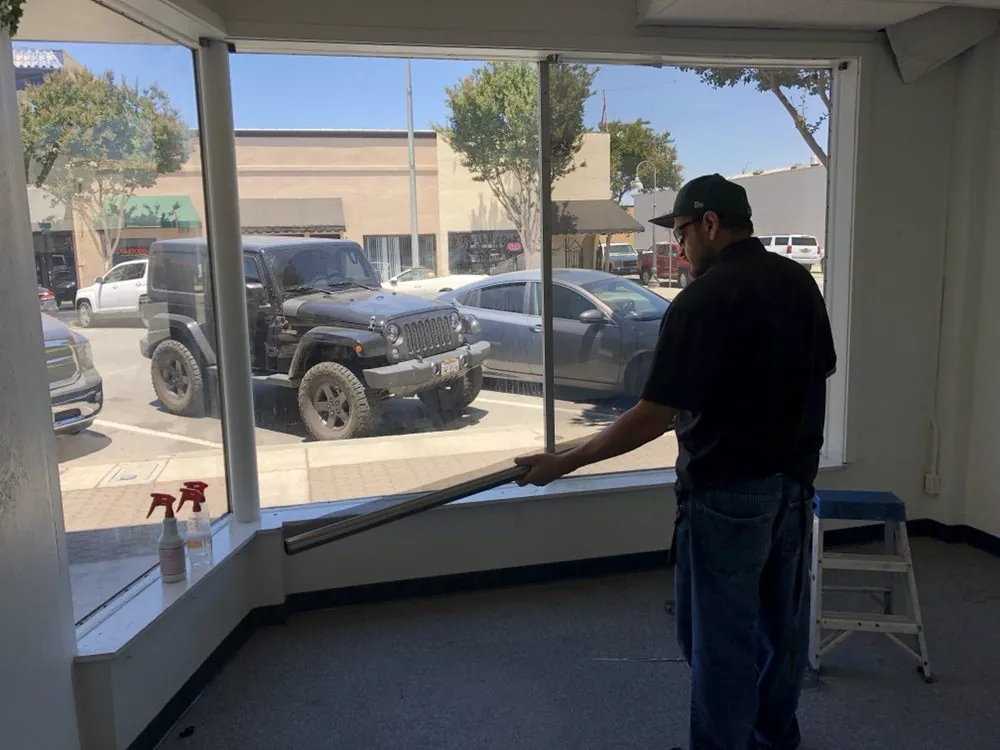
Professional marine window film for boats and yachts in the Bay Area. Salt-resistant ceramic tint reduces cabin heat, protects electronics, and cuts water glare.
If you spend time on the water in the Bay Area, you know the sun doesn't play favorites. The glare off the water, the heat building in the cabin, the UV beating down on your electronics and upholstery—it's all relentless.
The solution? Marine-grade ceramic window tinting designed for the unique demands of boats and yachts.
Why Boats Need Specialized Window Film
Automotive Film Doesn't Cut It
Standard automotive window tint wasn't designed for the marine environment. The ocean is harsh on materials that work fine on cars. Here's why marine film matters:
| Challenge | Automotive Film | Marine Film |
|---|---|---|
| Salt exposure | Degrades quickly | Salt-resistant |
| Water glare | Standard rejection | Enhanced glare reduction |
| Humidity | May fog or peel | Humidity-stable |
| UV intensity | Standard protection | Enhanced marine UV |
| Adhesive | Standard | Marine-grade adhesive |
Marine ceramic films use specialized adhesives and coatings that withstand constant salt spray, high humidity, and the intense UV reflection off the water.
Understanding the Marine Environment
The boating environment presents unique challenges that land vehicles never face:
Salt spray: Every time you hit a wave, salt mist covers your boat. This salt is corrosive and attacks adhesives and film materials that aren't designed for marine use.
Sun angles: On land, the sun comes from above. On water, you get direct sun plus reflection from below. This doubles your UV and heat exposure.
Humidity cycles: Boats experience extreme humidity swings. Morning fog, midday heat, and evening moisture create expansion and contraction that can fail non-marine adhesives.
Extended exposure: Many boats sit in the sun for days or weeks at a time. This constant UV exposure demands materials rated for marine conditions.
The Cabin Heat Problem
Boat cabins become ovens quickly. Several factors make this worse than cars:
- Glass area: Most boats have significant window area relative to cabin size
- Sun angles: Being on water means sun from all directions—including reflection
- Limited AC: Marine air conditioning systems work hard and drain battery or fuel
- Electronics: Chartplotters, radios, and navigation equipment suffer in heat
Ceramic marine tint blocks up to 60% of solar heat. This makes a dramatic difference in cabin comfort and electronics longevity.
Benefits of Marine Window Tinting
Cabin Comfort
The most immediate benefit is temperature control:
- 20-30°F cooler cabin temperatures
- Reduced AC load (extends battery life)
- Comfortable for sleeping aboard
- Protection during hot summer days at dock
- More enjoyable time at anchor
A cooler cabin means you can spend more time on your boat. Many owners avoid midday hours because the cabin gets too hot. With proper window tinting, you can stay aboard all day in comfort.
Reduced Glare
Water reflects sunlight at intense angles. This creates glare that's far worse than anything you experience on land. Marine tint helps by:
- Cutting glare at the helm for safer navigation
- Making screens readable (GPS, fishfinder, chartplotter)
- Reducing eye fatigue on long days
- Improving visibility in all conditions
- Reducing squinting and headaches
Professional captains know that reduced glare means better safety. You can spot other vessels, debris, and navigation hazards more easily when you're not fighting the sun.
UV Protection
The sun on water is brutal. UV exposure is roughly 25% higher on water than on land due to reflection. Marine tint provides:
- 99% UV rejection protects skin during long hours
- Prevents upholstery fading and cracking
- Extends life of interior plastics and wood trim
- Protects electronics from UV degradation
- Reduces sun damage to fishing gear and equipment
UV damage to boat interiors adds up fast. Replacing faded cushions and cracked plastics costs thousands. Prevention through window film is far more cost-effective.
Electronics Protection
Modern boats are packed with electronics that hate heat:
- Chartplotters and GPS units
- Marine radios and AIS transponders
- Fishfinders and sonar displays
- Entertainment systems and speakers
- Stereo amplifiers and power inverters
Heat is the enemy of electronics. Every 18°F increase in temperature cuts electronic lifespan roughly in half. Reducing cabin temperature extends the life of everything inside.
Types of Marine Window Film
Ceramic Marine Film
Our go-to choice for most marine applications. Ceramic film offers the best combination of performance and durability:
- Non-metallic (won't interfere with VHF, GPS, or radar)
- Excellent heat rejection up to 60%
- Salt-resistant construction
- Long-term durability in marine conditions
- Crystal-clear optical quality
Ceramic particles block infrared heat without the problems of metallic films. Your electronics work perfectly, and you get maximum heat rejection.
Spectrally Selective Film
For boats where maximum visibility is critical:
- Blocks heat, not light
- Nearly invisible appearance
- Best for helm stations and flybridges
- Premium option for luxury yachts
- Ideal when you want views without compromise
Spectrally selective films target specific wavelengths. They reject the heat-producing infrared light while letting visible light pass through. This gives you cool temperatures without dark windows.
Privacy Film
For cabins and sleeping areas:
- Blocks views into living spaces
- Multiple darkness levels available
- Combined with heat rejection
- Perfect for overnight stays
- Creates comfortable sleeping quarters
Many boat owners want privacy in their cabins without blocking all light. We offer films in various shades that provide privacy during the day while still letting natural light in.
Dual-Purpose Films
Some applications benefit from combined features:
- Security film with solar control
- Privacy film with maximum heat rejection
- Safety film that holds glass together if broken
- Anti-fog films for specific applications
We can recommend the right combination based on how you use your boat.
Common Boat Types We Service
Powerboats
Most powerboats under 26 feet can be trailered to our shop. We work on:
- Center consoles
- Bowriders and deck boats
- Cuddy cabins
- Walkarounds
- Sport fishers
Powerboat installations typically take 2-6 hours depending on the number of windows.
Cabin Cruisers
Larger cruisers with multiple cabins need more extensive work:
- Helm station windows
- Salon windows
- Stateroom windows
- Galley windows
- Head compartments
We often work on cabin cruisers at the marina due to their size. Installation takes 4-8 hours for most cruisers.
Sailboats
Sailboats present unique challenges:
- Curved cabin tops
- Companionway hatches
- Portlights of various sizes
- Dodger and bimini windows
We can tint rigid window panels on sailboats. Soft dodger windows require different treatment.
Yachts
Large yachts require on-site service:
- Main salon
- Bridge and flybridge
- Master stateroom
- Guest quarters
- Crew areas
Yacht installations are scheduled around your calendar. We work efficiently to minimize time at dock.
Service Options
At Our Shop
Best for trailerable boats:
- Controlled environment prevents contamination
- Quick turnaround times
- Full prep and installation in one visit
- Wide variety of film in stock
Most powerboats under 26 feet can be trailered to our Gilroy shop. We have a large bay that accommodates boats on trailers.
Dockside Service
For larger vessels:
- We come to your marina
- Serve most Bay Area marinas
- Scheduled around your availability
- Same quality as shop installation
We regularly service boats in Santa Cruz, Moss Landing, Monterey, and Half Moon Bay. Let us know your marina and we'll confirm service availability.
Pricing Guide
| Boat Type | Typical Range | Timeframe |
|---|---|---|
| Jet skis and PWC | $150-$300 | 1-2 hours |
| Powerboats under 25' | $400-$800 | 2-4 hours |
| Cabin cruisers 25-35' | $800-$1,500 | 4-6 hours |
| Larger cruisers 35-50' | $1,500-$2,500 | 6-8 hours |
| Yachts 50'+ | Custom quote | Day+ |
Pricing varies based on window count, accessibility, and existing tint removal needs. We provide free quotes for all marine projects.
The Installation Process
Preparation
Before we apply any film, we prep the glass:
- Clean the glass with marine-safe cleaners
- Remove old tint if present (included in our pricing)
- Inspect for damage or defects in the glass
- Mask surrounding areas to protect gelcoat and upholstery
Film Application
Our installers use proven techniques for marine applications:
- Cut film to size using precision templates
- Apply with slip solution that allows positioning
- Squeegee out all water and air bubbles
- Seal edges for long-term durability
- Clean up all work areas
Curing Time
After installation, the film needs time to cure:
- 24 hours: Avoid touching the film
- 48 hours: Film is fully cured
- 5-7 days: Full adhesion strength
We'll provide care instructions and let you know when it's safe to clean the windows.
Frequently Asked Questions
Will window tint interfere with my marine electronics?
No. We use ceramic (non-metallic) films that are safe for VHF radio, GPS, AIS, radar, and all marine electronics. Metallic films can cause interference—we don't use them for marine applications.
How long does marine window tint last?
Quality marine ceramic tint lasts 10-15+ years with proper care. The marine environment is harsh, but films designed for it hold up well. We warranty our marine installations.
Can you tint curved windshields?
Yes. Modern boats often have curved or raked windshields. We use heat-shrinking techniques to conform film to complex curves without bubbles or distortion.
Do you remove old tint?
Yes. Old, bubbled, or discolored tint is removed as part of our service. We properly prep the glass before installing new film. Removal is included in our quoted price.
Should I tint all windows or just certain ones?
For maximum benefit, we recommend at least the helm area and sleeping cabin. Full boat coverage provides the best comfort improvement. We can prioritize based on your budget.
Can window tint be applied to lexan or acrylic windows?
It depends on the product type. Some marine windows are polycarbonate or acrylic rather than glass. We have films rated for plastics, but they require different installation techniques. Let us inspect your windows before we quote.
What's the darkest legal tint for boats?
Boats aren't subject to the same tint laws as cars. You can choose any darkness level based on your preferences. We recommend keeping helm station windows lighter for safety.
Will tint affect my boat's resale value?
Quality window tinting typically increases resale value. Buyers appreciate cooler cabins, protected interiors, and modern appearance. Keep your installation documentation for future owners.
Ready to Cool Down Your Cabin?
Whether you boat in the Bay, Santa Cruz, or Monterey, we can help make your time on the water more comfortable. Our team has been protecting vehicles since 1993—boats included.
📞 Call us: (408) 848-8468 📍 Shop: 610 Holloway Road, Gilroy, CA (trailerable boats) 📧 Dockside service: Contact us for marina appointments
Let's make your boat more comfortable on the water.
33+ years
The team at Blackout Window Tinting has been serving the Bay Area since 1993, providing premium window tinting and vehicle protection services.
Window TintingPPFCeramic CoatingVehicle Wraps