Window Tinting
3M Crystalline vs LLumar IRX - Which Is Better? (2026 Cos

Blackout Team· Window Tinting Experts
·Updated ·6 min read
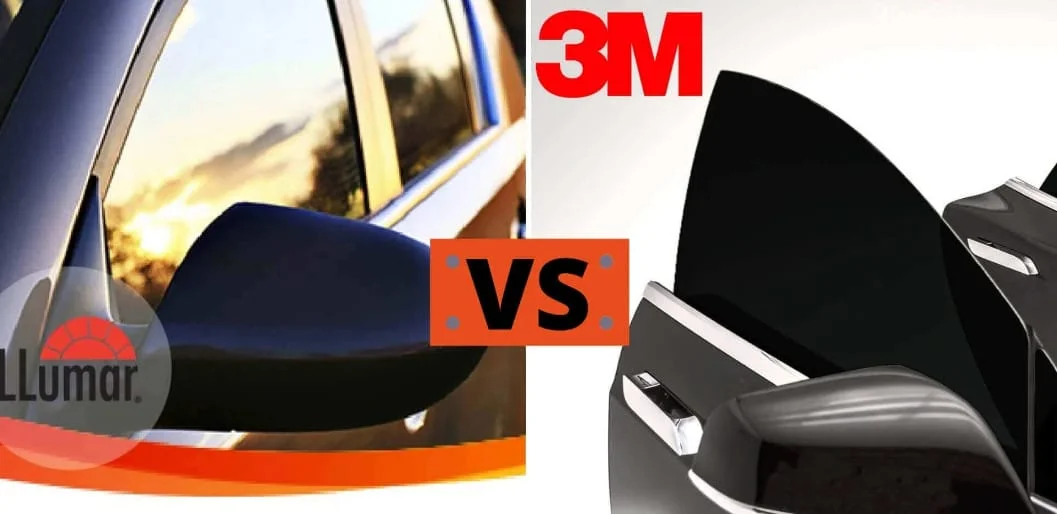
Crystalline or IRX? After 1,000+ installs, here's the truth: IRX ($480-$750) beats Crystalline ($580-$900) for most cars. See WHY + when Crystalline is worth
Window Tinting: An Overview
Before we delve into the specifics of 3M Crystalline or LLumar IRX, it’s crucial to understand what window tinting is and why it’s essential. Window tinting involves applying a thin laminate film to a vehicle’s windows to darken the glass. This procedure serves several purposes:
- Heat Control: Tinted windows can significantly reduce the amount of heat inside your car, improving comfort during warmer months.
- UV Protection: Quality window films block out harmful UV rays, protecting you and your car’s interior from damage.
- Enhanced Privacy: Tinted windows increase privacy inside the vehicle by limiting visibility from the outside.
- Improved Aesthetics: Finally, tinted windows contribute to the overall aesthetic appeal of the vehicle.
3M Crystalline Window Film: Key Features
3M Crystalline Automotive Window Films are renowned for their advanced infrared heat rejection capabilities and low visible light reflectivity value. Here are some of their key features:
Advanced Infrared Heat Rejection
3M Crystalline films are equipped with patented multilayer nano-technology that efficiently rejects heat. This technology allows the films to block up to 99.9% of UV rays, ensuring optimum comfort within the vehicle regardless of outdoor temperatures.
Metal-Free Design
Unlike some films that use metal, 3M Crystalline films are metal-free, eliminating the risk of interfering with electronic devices such as cell phones, GPS systems, or satellite radios.
Diverse Range
The 3M Crystalline series offers a variety of films, each with different visible light transmission (VLT) percentages, ranging from 17% to 72%. This allows you to choose the level of darkness that suits your requirements and preferences.
LLumar IRX Window Films: Key Features
LLumar IRX Automotive Window Films are known for their high heat rejection and advanced nanoceramic IR-blocking technology. Here are some of their key features:
High Heat Rejection
LLumar IRX films offer excellent heat rejection, reducing the amount of solar heat that enters the vehicle. This feature enhances comfort and reduces the need for air conditioning, improving fuel efficiency.
Infrared-Rejecting Ceramic Technology
IRX films use advanced nanoceramic technology that rejects more heat than many darker films without changing the vehicle’s appearance. This technology makes IRX films an excellent choice for those seeking superior heat rejection without a significant change in their car’s look.
Variety of Options
Just like 3M Crystalline, LLumar IRX also offers a wide range of films with varying VLT percentages, allowing you to customize your vehicle’s look while benefiting from the heat and UV protection features.
Comparing the Performance Data
The performance data of both 3M Crystalline and LLumar IRX films reveal more about their capabilities. The data covers a range of factors, including visible light transmission and reflection, UV block, total solar energy rejected, infrared rejection, and glare reduction.
LLumar IRX Performance Data
A closer look at the data reveals that both 3M Crystalline and LLumar IRX films excel in different areas. For instance, 3M Crystalline films offer higher VLT percentages, translating to lighter films that don’t significantly alter your vehicle’s appearance. On the other hand, LLumar IRX films provide higher glare reduction percentages, leading to better visibility and safer drives.
Choosing Between 3M Crystalline and LLumar IRX: Factors to Consider
Choosing between 3M Crystalline and LLumar IRX boils down to your specific needs and preferences. Here are a few factors to consider:
Heat Rejection and UV Protection
Both 3M Crystalline and LLumar IRX films offer excellent heat rejection and UV protection. However, according to the performance data, 3M Crystalline films seem to have a slight edge in terms of UV blocking, with most of their films blocking up to 99.9% of UV rays.
Visible Light Transmission
If you prefer a lighter tint that doesn’t significantly alter the look of your vehicle, you might lean towards 3M Crystalline films. They offer a wider range of VLT percentages, allowing for more natural light transmission.
Glare Reduction
If reducing glare for safer driving is your top priority, LLumar IRX films may be the better choice. According to the performance data, LLumar IRX films generally offer higher glare reduction percentages.
Frequently Asked Questions
Which is better, 3M or LLumar?
Neither is universally "better"—they excel in different areas. 3M Crystalline offers superior optical clarity, especially in lighter shades (70-90% VLT), making it ideal for windshields. LLumar IRX provides a wider range of shades (including dark options like 5-25%) and excellent value for the performance. For most vehicles, LLumar IRX on sides and rear with 3M Crystalline on the windshield is an excellent combination.
Is 3M Crystalline worth the price?
For windshield applications and lighter tints where clarity matters most, yes. 3M Crystalline's multilayer optical technology provides noticeably better clarity than ceramic films at 70%+ VLT. For darker side windows where you're primarily after heat rejection and privacy, the premium may not be necessary—LLumar IRX delivers comparable heat rejection at a lower price point.
How much does 3M Crystalline vs LLumar IRX cost?
Pricing varies by vehicle and installer, but generally:
- 3M Crystalline: $580-$900 for a sedan, $700-$1,100 for SUVs
- LLumar IRX: $480-$750 for a sedan, $580-$900 for SUVs
The 20-30% premium for 3M Crystalline reflects its advanced multilayer technology and brand positioning.
Do 3M Crystalline and LLumar IRX interfere with electronics?
No. Both films use non-metallic construction (multilayer optical film for 3M, nano-ceramic for LLumar) that doesn't interfere with cell signals, GPS, Bluetooth, satellite radio, toll transponders, or tire pressure monitoring systems.
Which film lasts longer?
Both films offer similar longevity with proper care—expect 10+ years from either brand. The key factors affecting lifespan are installation quality, UV exposure (parking in sun vs. shade), and maintenance (avoiding ammonia-based cleaners).
Can I mix 3M Crystalline and LLumar IRX on the same vehicle?
Absolutely. Many customers use 3M Crystalline on the windshield for maximum clarity and LLumar IRX on side and rear windows for better value and darker shade options. The films work independently and can be combined without issues.
Get LLumar IRX or 3M Crystalline Installed in Gilroy
We install both films at our shop—15 min from Morgan Hill, 35 min from San Jose.
| Film | Sedan | SUV/Truck |
|---|---|---|
| LLumar IRX | $480–$750 | $580–$900 |
| 3M Crystalline | $580–$900 | $700–$1,100 |
Get a Free Quote → or call 408-848-8468
Conclusion: 3M Crystalline or LLumar IRX?
The choice between 3M Crystalline Tint and LLumar IRX Tint ultimately depends on your specific needs. Both brands offer high-quality, high-performance films that provide excellent heat rejection, UV protection, and varying levels of visible light transmission and glare reduction.
Choose 3M Crystalline if: Maximum clarity is your priority, you want the lightest possible tint with heat rejection, or you're tinting a windshield where optical quality matters most.
Choose LLumar IRX if: You want darker tints (5-35%), value is important, or you need a full range of shade options for different windows.
We recommend consulting with a professional tinting service to discuss your specific needs and preferences. At Blackout Window Tinting in Gilroy, CA, we offer both 3M Crystalline and LLumar IRX window film installations. View our ceramic tinting services → Contact us today for a free quote and let us help you make an informed decision for your vehicle's window tinting needs.
Sources & Manufacturer References
{/* VERIFIED: All specs from manufacturer websites and technical data, January 2026 */}
Official Product Information:
- 3M Crystalline Series — 3M multilayer optical film technology
- LLumar IRX Series — LLumar nano-ceramic specifications
Key Verified Specifications:
| Product | IR Rejection | UV Block | VLT Range | Source |
|---|---|---|---|---|
| 3M Crystalline | Up to 97% | 99.9% | 40-90% | 3M TDS |
| LLumar IRX | Up to 97% | 99%+ | 5-70% | LLumar TDS |
Pricing Note: Prices shown are Bay Area market rates as of January 2026 and vary by vehicle type.
Last Verified: January 16, 2026
Featured Brands
Learn more about the professional-grade products we use:
- 3M Crystalline - View product details and specifications
33+ years
The team at Blackout Window Tinting has been serving the Bay Area since 1993, providing premium window tinting and vehicle protection services.
Window TintingPPFCeramic CoatingVehicle Wraps